Thursday, November 30, 2023

Can I use the Tesla Supercharger network for free with a Model 3?


As of my last knowledge update in January 2022, Tesla no longer offers unlimited free Supercharging for new Model 3 purchases. The company has revised its Supercharger policy over the years, and it varies based on the specific model and time of purchase.


For Model 3 vehicles purchased after a certain date, Tesla typically provides a certain amount of Supercharger credits or kilowatt-hours for free, after which users may incur charges for Supercharger usage. The specifics of this policy, including the amount of free Supercharger credits, can vary by region and change over time.


It's essential to check the terms and conditions at the time of purchase or refer to the documentation provided by Tesla for your specific Model 3. Tesla owners can also view their Supercharger usage and billing details through their Tesla account.


Keep in mind that Tesla's policies may evolve, and the information provided here is based on my last knowledge update in January 2022. For the most accurate and current details on Supercharger usage and any associated costs for your Model 3, I recommend checking the official Tesla website or contacting Tesla customer support.

Wednesday, November 29, 2023

What is the warranty on the suspension of a Tesla Model 3?


 Tesla provides a New Vehicle Limited Warranty for its vehicles, including the Model 3. The warranty terms and coverage can vary for different components of the vehicle, including the suspension.


For specific details about the warranty on the suspension of a Tesla Model 3, it's essential to refer to the Tesla New Vehicle Limited Warranty documentation provided to the vehicle owner. This documentation outlines the terms and conditions of the warranty, including the duration and coverage for various components.


Typically, the New Vehicle Limited Warranty covers defects in materials and workmanship for a specified time period or mileage, whichever comes first. Keep in mind that warranty terms and conditions are subject to change, and the information provided here is based on my last knowledge update in January 2022.


For the most accurate and up-to-date information on the warranty for the suspension of a Tesla Model 3, I recommend checking the official Tesla website, contacting Tesla customer support, or referring to the owner's manual or warranty documentation provided with your specific vehicle. Always ensure that you have the latest information, as warranty terms can be updated by the manufacturer.

Tuesday, November 28, 2023

User How does the Tesla Model 3 handle on rough roads?


The handling of the Tesla Model 3 on rough roads can depend on several factors, including the specific road conditions, the version of the Model 3, and the configuration of the suspension. Here are some considerations:


1. **Suspension System:** The Model 3 comes with a standard suspension system, and some versions may offer an optional adaptive air suspension. The adaptive air suspension can provide better adaptability to different road conditions, including rough roads.


2. **Ground Clearance:** The standard ground clearance of the Model 3 is moderate, which may be sufficient for most road conditions. However, if you frequently encounter extremely rough or uneven terrain, you may want to consider the adaptive air suspension, which allows you to adjust the ride height.


3. **Tire Choice:** The type of tires on your Model 3 can influence its performance on rough roads. If you often drive on challenging terrain, you might consider all-season or even all-terrain tires for improved traction and durability.


4. **Driving Mode:** The Model 3 has different driving modes, including Comfort, Standard, and Sport. Choosing the appropriate driving mode can impact the handling and comfort on rough roads.


5. **Electric Powertrain:** The electric powertrain of the Model 3 provides instant torque and precise control over the wheels, which can be advantageous in challenging road conditions.


While the Model 3 is primarily designed for on-road use and may not have the off-road capabilities of some SUVs or trucks, it can handle moderately rough roads well. However, if your driving involves frequent encounters with extremely rough or off-road conditions, you might want to consider a vehicle specifically designed for such terrain.


As technology and features may be updated over time, it's advisable to check with Tesla for the latest information on the Model 3's handling capabilities and any new features or options that may enhance its performance on rough roads.

Monday, November 27, 2023

Can I charge my Tesla Model 3 with a solar panel?

 Can I charge my Tesla Model 3 with a solar panel?


If you own a Tesla Model 3, you might be wondering if you can charge it with a solar panel. After all, solar energy is clean, renewable and free. But is it feasible to power your electric car with the sun?


The answer is yes, but with some caveats. In this blog post, we will explore the pros and cons of charging your Tesla Model 3 with a solar panel, and what you need to consider before you do so.


Pros of charging your Tesla Model 3 with a solar panel


- You can reduce your carbon footprint and save money on electricity bills by using solar energy to charge your Tesla Model 3. According to Tesla, the average cost of charging a Model 3 at home is $0.28 per kWh, while the average cost of residential solar power in the US is $0.10 per kWh. That means you can save up to 64% on your charging costs by using solar power.

- You can also take advantage of net metering programs, which allow you to sell excess solar power back to the grid and earn credits that can offset your electricity bills. Depending on your location and utility company, you might be able to earn more than you spend on charging your Tesla Model 3 with solar power.

- You can increase your energy independence and resilience by using solar power to charge your Tesla Model 3. You don't have to rely on the grid or public charging stations, which might be unreliable, expensive or unavailable in some areas. You can also use your Tesla Model 3 as a backup battery for your home in case of a power outage, as long as you have a bi-directional charger that allows you to discharge power from your car to your home.


Cons of charging your Tesla Model 3 with a solar panel


- You need to have enough space and sunlight to install a solar panel system that can produce enough power to charge your Tesla Model 3. According to Tesla, the Model 3 has a battery capacity of 50 kWh (Standard Range Plus) or 75 kWh (Long Range or Performance), and a range of 263 miles (Standard Range Plus) or 353 miles (Long Range or Performance). Assuming an average efficiency of 15% for solar panels and an average of 5 hours of peak sunlight per day, you would need about 17 square meters (183 square feet) of solar panels to produce enough power to charge the Standard Range Plus Model 3 from empty to full in one day, or about 25 square meters (269 square feet) of solar panels for the Long Range or Performance Model 3. Of course, this also depends on how often and how far you drive your car, and how much power you consume for other purposes.

- You also need to have a compatible charger that can connect your solar panel system to your Tesla Model 3. Tesla recommends using its own Wall Connector, which can deliver up to 11.5 kW of power and charge your car up to six times faster than a standard outlet. However, the Wall Connector requires a hardwired installation and a dedicated circuit breaker, which might not be compatible with your existing electrical system or local regulations. Alternatively, you can use the Mobile Connector that comes with your car, which can plug into any standard outlet and deliver up to 1.4 kW of power. However, this means that it will take much longer to charge your car, and you might not be able to use all the power from your solar panel system.

- You also need to consider the upfront cost and maintenance of installing a solar panel system and a charger for your Tesla Model 3. According to EnergySage, the average cost of installing a residential solar panel system in the US is $18,300 before incentives, or $13,275 after incentives. The cost varies depending on the size, location and quality of the system. The Wall Connector costs $500, while the Mobile Connector costs $275. You also need to factor in the cost of permits, inspections, installation labor and equipment. Additionally, you need to maintain your solar panel system and charger regularly, such as cleaning them from dust and debris, checking for damages and malfunctions, and replacing them when they wear out.


Conclusion


Charging your Tesla Model 3 with a solar panel is possible and beneficial in many ways, but it also requires careful planning and investment. You need to weigh the pros and cons of using solar power for your electric car, and determine if it suits your needs and preferences. If you decide to go for it, make sure you do your research and consult with professionals before you install a solar panel system and a charger for your Tesla Model 3.
Can I use voice commands with my Tesla Model 3?


Yes, you can use voice commands with your Tesla Model 3. The Model 3 comes equipped with a voice recognition system that allows you to control various aspects of the car using spoken commands. Here are some common voice commands you can use:


1. **Navigation:** You can initiate navigation to a specific location by saying something like, "Navigate to [destination]."


2. **Media Control:** You can control media playback with voice commands, such as "Play [song/artist/album]" or "Play [radio station]."


3. **Climate Control:** Voice commands also work for adjusting the climate control settings. For example, you can say, "Set the temperature to [desired temperature]."


4. **Phone Commands:** You can make phone calls by saying, "Call [contact name]" or answer an incoming call with "Answer."


5. **Car Controls:** Some basic car controls can be managed using voice commands. For example, you can say, "Open [sunroof/window]" or "Turn on/off [air conditioning/lights]."


6. **Navigation to Superchargers:** If you're in need of charging, you can use voice commands to navigate to the nearest Supercharger station.


To activate voice commands, you typically use the steering wheel scroll buttons or say "Hey, Tesla" or "Navigate to [command]" (depending on the version and settings). The specific commands and features available may vary based on the software version of your Tesla Model 3, as Tesla frequently updates its vehicles via over-the-air software updates.


It's a good practice to familiarize yourself with the available voice commands and consult the car's manual or Tesla's documentation for any updates or additions to voice command functionality.

Sunday, November 26, 2023

What is the warranty on the interior of a Tesla Model 3?

 As of my last knowledge update in January 2022, Tesla provides a New Vehicle Limited Warranty for its vehicles, including the Model 3. The warranty terms and coverage can vary based on the specific components of the vehicle. Generally, the warranty includes coverage for defects in materials and workmanship.


For the interior of the Tesla Model 3, specific details about warranty coverage are typically outlined in the Tesla New Vehicle Limited Warranty documentation provided to the vehicle owner. It's important to check the warranty documentation for the specific terms and conditions that apply to the interior components, such as seats, dashboard, infotainment system, and other interior features.


The New Vehicle Limited Warranty usually lasts for a certain time period or mileage, whichever comes first. Warranty terms can also vary by region, so it's advisable to refer to the warranty documentation that comes with your specific Tesla Model 3 or contact Tesla customer support for the most accurate and up-to-date information.


Keep in mind that warranty terms and conditions are subject to change, and the information provided here is based on my last knowledge update in January 2022. Always refer to the latest documentation from Tesla for the most accurate and current warranty information.

How often should I service my Tesla Model 3?


 Tesla recommends regular maintenance for their vehicles, including the Model 3, but the frequency and type of service differ from traditional internal combustion engine cars. As of my last knowledge update in January 2022, here are some general guidelines:


1. **Annual Service Inspections:** Tesla recommends an annual service inspection for your Model 3. This service typically includes checking various vehicle components, ensuring everything is in good working order, and addressing any potential issues before they become more significant problems. However, it's important to note that the specifics of recommended service intervals can vary, so it's advisable to check the owner's manual or Tesla's official recommendations for the most accurate information.


2. **Tire Rotation and Replacement:** Regular tire maintenance is important. Tesla recommends rotating tires every 10,000 to 12,000 miles to ensure even wear. Tires should be replaced when the tread is worn, and tire pressures should be regularly checked and adjusted.


3. **Brake Fluid Replacement:** While the braking system in electric vehicles like the Model 3 tends to experience less wear due to regenerative braking, Tesla recommends checking and replacing brake fluid every two years.


4. **Windshield Wiper Replacement:** Replace windshield wipers as needed to ensure clear visibility.


5. **Battery Maintenance:** Tesla electric vehicles have relatively low maintenance requirements for their batteries. However, it's crucial to follow Tesla's guidelines for battery care, such as avoiding regular deep discharges and extreme temperature exposure.


Remember that Tesla vehicles receive over-the-air software updates, which can include improvements and optimizations. These updates often eliminate the need for certain in-person service visits for routine maintenance tasks.


Always refer to the specific owner's manual for your Model 3 and any updated information provided by Tesla. Tesla's recommendations may evolve over time, and newer models or software updates may introduce changes to maintenance guidelines. For the most accurate and up-to-date information, it's recommended to consult the official Tesla documentation or contact Tesla directly.

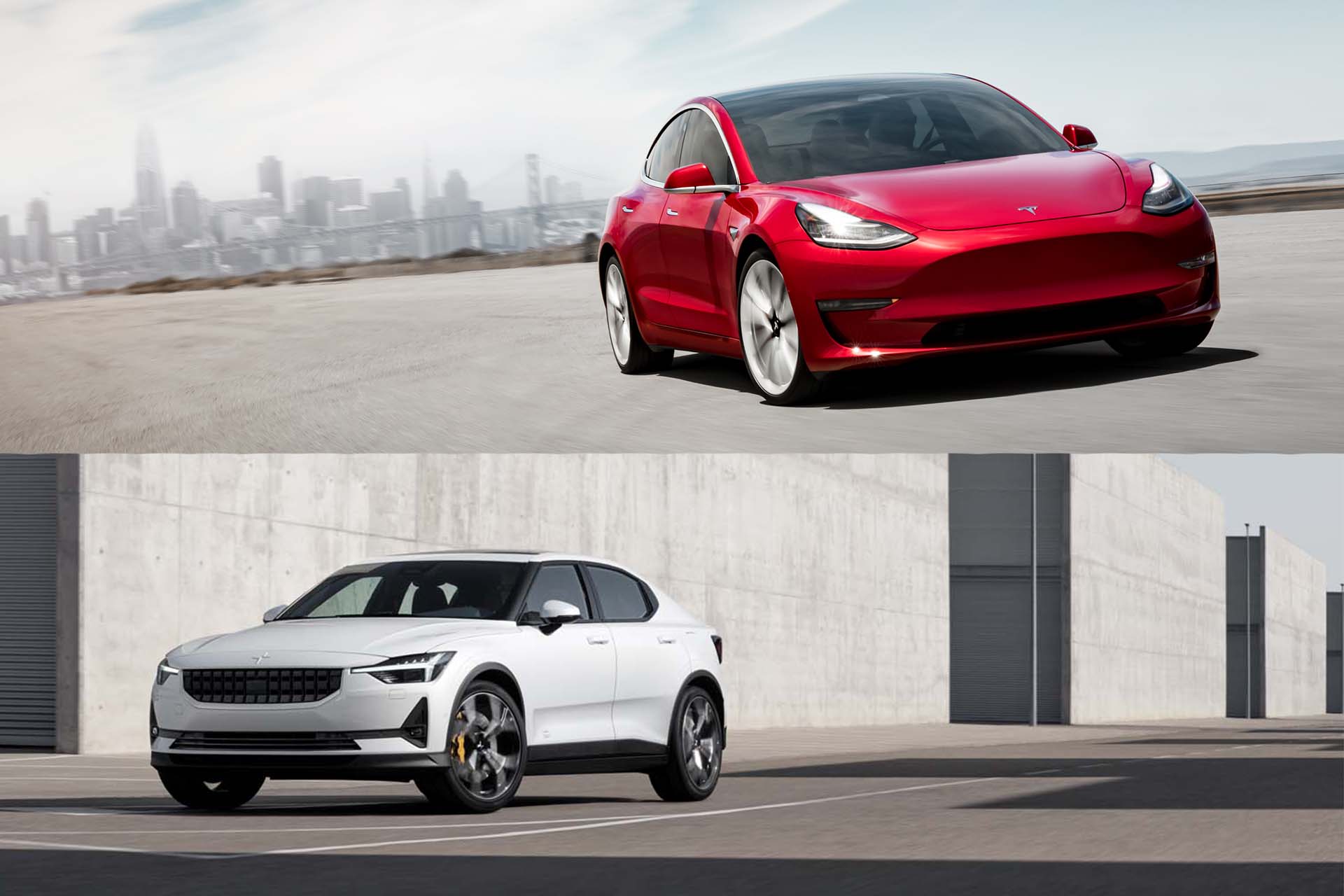
How does the Tesla Model 3 compare to other electric cars?

As of my last knowledge update in January 2022, the Tesla Model 3 has been well-regarded and has often been compared to other electric cars in terms of performance, range, technology, and overall value. Keep in mind that the electric vehicle market is dynamic, and new models may have been introduced since then. Here are some general points of comparison for the Tesla Model 3 against other electric cars:


1. **Range:** The Model 3 has been praised for its impressive range, especially in the Long Range and Performance versions. Tesla has traditionally been a leader in electric vehicle range, but other manufacturers are continually improving their offerings.


2. **Performance:** The Model 3, particularly in the Performance variant, is known for its excellent acceleration and handling. Tesla vehicles are often recognized for their sporty performance characteristics.


3. **Charging Infrastructure:** Tesla has an extensive Supercharger network, providing fast-charging capabilities for Tesla owners. Other electric car manufacturers often rely on a combination of proprietary and third-party charging networks. The availability and convenience of charging infrastructure can be a factor in the decision-making process.


4. **Autonomous Driving Capabilities:** Tesla vehicles come equipped with advanced driver-assistance features, and Tesla promotes its Full Self-Driving (FSD) package. While the term "Full Self-Driving" can be misleading, Tesla's vehicles are known for their advanced driver-assistance technology. Other automakers also offer various levels of autonomous driving features.


5. **Price:** The Model 3 is positioned as a more affordable option compared to Tesla's other models, such as the Model S and Model X. However, the pricing of electric vehicles can vary, and new models may have been introduced with competitive pricing.


6. **Interior and Features:** The Model 3 has a minimalist interior design with a large central touchscreen. Different electric cars may have varying interior designs, features, and options.


7. **Brand Loyalty:** Tesla has a strong and dedicated fan base. Some consumers may choose Tesla due to brand loyalty, while others may prefer other electric vehicle brands for various reasons.


When comparing the Tesla Model 3 to other electric cars, it's essential to consider individual preferences, specific needs, and priorities. Factors such as range, performance, charging infrastructure, and pricing can vary among electric vehicle models from different manufacturers. Always check the latest reviews and comparisons for the most up-to-date information, as the electric vehicle market is evolving rapidly.

Saturday, November 25, 2023

How does the Tesla Model 3 perform in crash avoidance tests?


As of my last knowledge update in January 2022, the Tesla Model 3 has received generally positive reviews and high safety ratings from various organizations conducting crash avoidance and crashworthiness tests. However, keep in mind that safety ratings and test results may change over time as new models are released and testing protocols are updated.


The National Highway Traffic Safety Administration (NHTSA) and the Insurance Institute for Highway Safety (IIHS) are two prominent organizations in the United States that conduct safety tests.


1. **NHTSA Ratings:**

   - In NHTSA's New Car Assessment Program (NCAP), the Tesla Model 3 has received high overall safety ratings, including five stars in overall, frontal crash, side crash, and rollover categories.


2. **IIHS Ratings:**

   - In IIHS testing, the Tesla Model 3 has performed well. It achieved the highest designation of "Top Safety Pick+" for certain model years. The IIHS evaluates vehicles based on crashworthiness and crash avoidance features.


3. **Autopilot and Safety Features:**

   - The Tesla Model 3 comes equipped with advanced driver assistance features, including Autopilot, which includes adaptive cruise control, automatic emergency braking, and other safety technologies aimed at crash avoidance.


It's important to note that the safety of a vehicle is not solely determined by crash avoidance tests but also by factors such as driver behavior, road conditions, and other external variables. Always refer to the latest safety ratings and information from reputable sources, as testing protocols and vehicle specifications can change with new model releases and updates. For the most current and accurate information, check with the NHTSA, IIHS, and Tesla's official safety documentation.

What is the resale value of a Tesla Model 3?

 The resale value of a Tesla Model 3 can vary depending on several factors, including the vehicle's age, mileage, condition, and market demand. As of my last knowledge update in January 2022, Tesla vehicles, including the Model 3, have generally shown good resale value compared to some other electric and conventional vehicles.


However, it's important to note that resale values can change over time, and factors such as the introduction of new models, advancements in technology, and market conditions can influence depreciation rates.


To get the most accurate and up-to-date information on the resale value of a Tesla Model 3, you can check online automotive marketplaces, consult with used car dealerships, or use valuation tools provided by automotive industry sources. Websites like Kelley Blue Book (KBB), Edmunds, or Autotrader are commonly used for estimating resale values.


Keep in mind that resale values can vary based on the specific trim, features, and options of the Model 3, so it's helpful to provide detailed information about the particular vehicle you're interested in when seeking resale value estimates.

Friday, November 24, 2023

Can I use a power inverter with my Tesla Model 3?


While the Tesla Model 3 doesn't have a built-in power inverter for standard household appliances like some other electric vehicles, you can use an external power inverter to convert the DC power from the car's battery into AC power for your devices. Here are some important considerations:


1. **Power Inverter Specifications:** Choose a power inverter that meets your specific needs in terms of wattage and power output. The wattage requirements depend on the devices you intend to power. Check the power rating of the devices you plan to use to ensure the inverter can handle the load.


2. **12V Power Outlets:** The Model 3 is equipped with a 12V power outlet, usually located in the center console or other convenient locations. You can use this outlet to connect a compatible power inverter.


3. **Safety Considerations:** Ensure that the power inverter is compatible with your Model 3 and meets safety standards. Avoid overloading the inverter, and use it within its specified limits to prevent damage to both the inverter and your vehicle.


4. **Battery Usage:** Keep in mind that using a power inverter will draw power from your car's traction battery. Prolonged use of high-wattage devices can impact your vehicle's range. Be mindful of your battery level, especially if you are using the inverter while the car is parked and not actively charging.


5. **Idle Mode:** Some electric vehicles, including Teslas, may enter an idle mode after a certain period of inactivity to conserve battery power. Be aware of this feature, as it may impact your ability to use the power inverter for extended periods while the car is stationary.


It's important to note that using a power inverter with your Tesla Model 3 is not officially supported by Tesla, and any modifications or accessories you add to your vehicle could potentially void your warranty. Always exercise caution, follow safety guidelines, and consult with Tesla or a qualified electrician if you have concerns about compatibility or safety.

Thursday, November 23, 2023

How do I preheat my Tesla Model 3 in cold weather?

 If you own a Tesla Model 3 and live in a cold climate, you might wonder how to preheat your car before driving. Preheating your Tesla can improve your comfort, battery performance, and efficiency. In this blog post, we will explain how to preheat your Tesla Model 3 in cold weather using the mobile app or the touchscreen.


The mobile app is the easiest and most convenient way to preheat your Tesla Model 3. You can use it to remotely start the climate control system and set the desired temperature. To do this, follow these steps:


- Open the Tesla app on your smartphone and tap on the climate icon at the bottom of the screen.

- Tap on the temperature display and adjust it to your preferred setting. You can also turn on the seat heaters, steering wheel heater, and rear defroster if you want.

- Tap on the fan icon to turn on the climate control system. You will see a blue icon indicating that the system is on and a timer showing how long it will run.

- You can also schedule the climate control system to start at a specific time. To do this, tap on the clock icon and select the time you want the system to turn on. You can also set a recurring schedule for weekdays or weekends.


The touchscreen is another way to preheat your Tesla Model 3. You can use it to manually turn on the climate control system and set the temperature. To do this, follow these steps:


- Tap on the fan icon at the bottom of the screen to open the climate control menu.

- Tap on the temperature display and adjust it to your preferred setting. You can also turn on the seat heaters, steering wheel heater, and rear defroster if you want.

- Tap on the fan icon again to turn on the climate control system. You will see a blue icon indicating that the system is on and a timer showing how long it will run.

- You can also schedule the climate control system to start at a specific time. To do this, tap on the clock icon and select the time you want the system to turn on. You can also set a recurring schedule for weekdays or weekends.


Preheating your Tesla Model 3 in cold weather can make your driving experience more comfortable and efficient. By using the mobile app or the touchscreen, you can easily start the climate control system and set the temperature to your liking. You can also schedule the system to turn on automatically at a certain time. This way, you can always enjoy a warm and cozy ride in your Tesla.

How does the Tesla Model 3 compare to the Model Y?


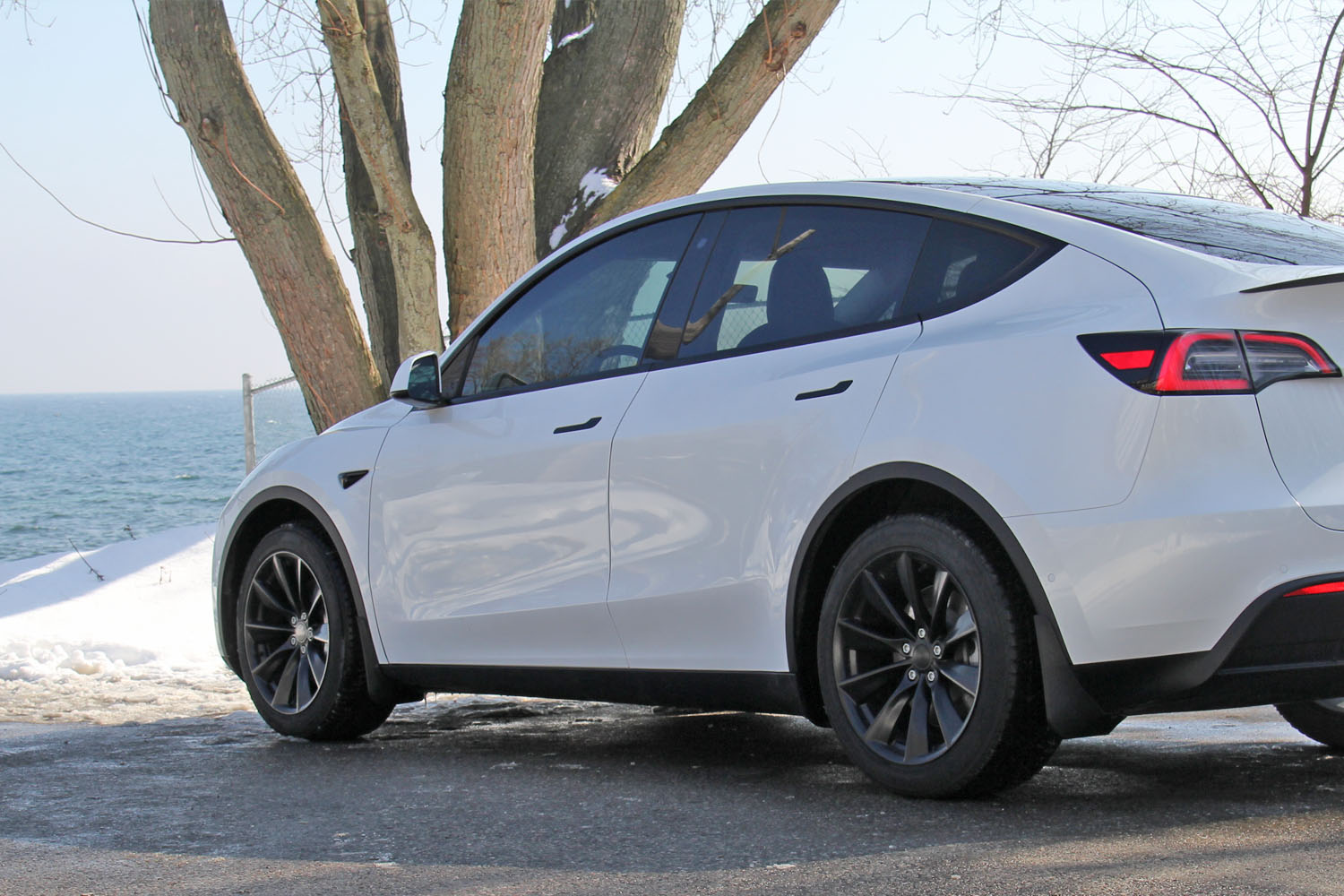
The Tesla Model 3 and Model Y are both electric vehicles produced by Tesla, but they have some key differences in terms of design, size, and features. Here's a general comparison between the Tesla Model 3 and Model Y:


1. **Vehicle Type:**

   - **Model 3:** The Model 3 is a compact sedan. It has a sleek and aerodynamic design, with a low roofline.

   - **Model Y:** The Model Y is a compact SUV. It has a similar design to the Model 3 but with a higher roofline and a more SUV-like appearance.


2. **Interior Space:**

   - **Model 3:** The Model 3 is designed to be a sedan with a more conventional trunk. It seats up to five passengers.

   - **Model Y:** The Model Y has a more spacious interior and a rear hatch, offering greater cargo space and the option for a third-row seat, making it a more practical choice for families or those needing extra cargo capacity.


3. **Cargo Space:**

   - **Model 3:** The Model 3 has a trunk with a limited cargo capacity.

   - **Model Y:** The Model Y, being an SUV, has a larger cargo space with the rear seats folded, and the optional third-row seat provides additional flexibility.


4. **Performance:**

   - **Model 3:** Both the Model 3 and Model Y offer impressive acceleration and performance. The Model 3 Performance variant, in particular, is known for its high-speed capabilities.

   - **Model Y:** The Model Y Performance variant also offers strong acceleration and performance, and it shares some components with the Model 3.


5. **Range:**

   - **Model 3:** The Model 3 typically has a slightly longer range than the Model Y, as the sedan design tends to be more aerodynamic.

   - **Model Y:** While the Model Y has a slightly shorter range than the Model 3, the difference in range is often minimal.


6. **Price:**

   - **Model 3:** The Model 3 is generally priced lower than the Model Y, making it a more affordable option.

   - **Model Y:** The Model Y, with its larger size and additional features, is usually priced higher than the Model 3.


7. **Design and Features:**

   - **Model 3:** The Model 3 has a minimalist interior with a single touchscreen for controls.

   - **Model Y:** The Model Y has a similar interior design with a central touchscreen, but its higher roofline provides a more spacious feel.


Ultimately, the choice between the Tesla Model 3 and Model Y depends on your preferences, needs, and budget. If you prioritize a more compact sedan with a lower price, the Model 3 might be a better fit. If you need more space, cargo capacity, or the option for a third-row seat, the Model Y could be the more suitable choice.


What are the available tech features in the Tesla Model 3?

 As of my last knowledge update in January 2022, the Tesla Model 3 comes with a variety of tech features. Keep in mind that Tesla frequently updates its vehicles via over-the-air software updates, and new features may have been introduced since my last update. Here are some of the notable tech features available in the Tesla Model 3:


1. **Autopilot:** The Model 3 includes Tesla's Autopilot feature, which provides advanced driver-assistance capabilities. This includes features such as adaptive cruise control, automatic lane-keeping, and more. Full Self-Driving (FSD) is an optional package that promises additional autonomous driving features, although the availability and functionality of these features can vary by region and local regulations.


2. **Touchscreen Interface:** The centerpiece of the Model 3's interior is a large touchscreen display that controls various aspects of the vehicle, including navigation, media, climate control, and vehicle settings.


3. **Over-the-Air Updates:** Tesla vehicles, including the Model 3, receive software updates over the air, allowing for improvements, new features, and bug fixes without requiring a visit to a service center.


4. **Mobile App Integration:** The Tesla mobile app allows you to remotely monitor and control your Model 3. You can check the vehicle's status, control climate settings, locate your car, and even start or stop charging.


5. **Premium Connectivity:** Some features, like satellite maps with live traffic visualization and in-car streaming, may be part of the Premium Connectivity package, which is typically offered as a subscription.


6. **Voice Commands:** The Model 3 supports voice commands, allowing you to control various functions by speaking to the car.


7. **Sentry Mode:** This feature uses the car's external cameras to monitor its surroundings when it's parked. It can record video footage and send alerts if a threat is detected.


8. **Enhanced Summon:** Depending on local regulations, Enhanced Summon allows the car to navigate through a parking lot to pick you up or park itself.


9. **Wireless Software Updates:** Tesla vehicles, including the Model 3, receive updates wirelessly, allowing for continuous improvements and the addition of new features.


Always check the Tesla website or contact Tesla directly for the latest and most accurate information on the available tech features, as features and capabilities may have changed since my last update.

How does the Tesla Model 3 handle in icy conditions?

 The performance of the Tesla Model 3 in icy conditions can be influenced by several factors, including its features, design, and the specific tires used. Here are some aspects to consider:


1. **Traction Control:** The Model 3, like other Tesla vehicles, is equipped with traction control systems that can help optimize traction in slippery conditions. Electric vehicles often have precise torque control, which can be advantageous in icy situations.


2. **Weight Distribution:** The Model 3 has a low center of gravity due to the placement of its heavy battery pack, which can contribute to stability on icy roads.


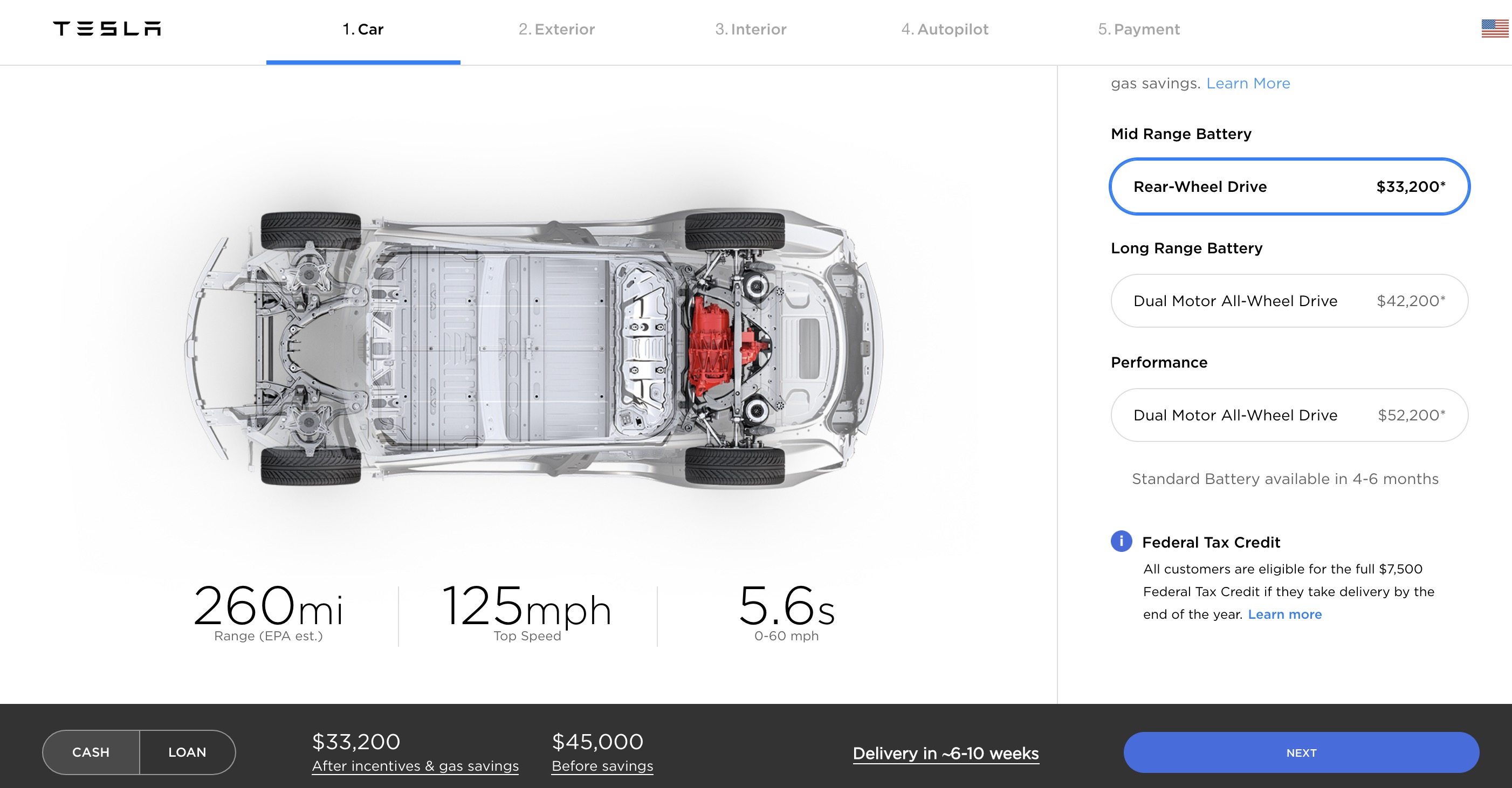
3. **All-Wheel Drive (AWD) Option:** The Model 3 is available in both rear-wheel drive (RWD) and all-wheel drive (AWD) configurations. The AWD option, known as Dual Motor All-Wheel Drive, provides power to both the front and rear wheels, which can enhance traction on icy surfaces.


4. **Winter Tires:** The type of tires you use significantly impacts winter performance. Winter or snow tires with appropriate tread patterns can improve traction and handling on icy roads.


5. **Regenerative Braking:** The regenerative braking system in electric vehicles can be adjusted to a more conservative setting in icy conditions to prevent the wheels from locking up during regenerative braking.


6. **Driver Assistance Features:** The Model 3 comes with various driver assistance features, such as traction control, stability control, and anti-lock brakes, which contribute to safer driving in adverse weather conditions.


It's important to note that while the Model 3, like other electric vehicles, can perform well in icy conditions, driving on icy roads requires caution, regardless of the vehicle. Drivers should adjust their speed, maintain a safe following distance, and be prepared for reduced traction. Additionally, using winter tires specifically designed for icy and snowy conditions can significantly enhance the vehicle's performance in winter weather. Always stay informed about the condition of the roads and adjust your driving habits accordingly.

Can I use third-party charging stations for my Tesla Model 3?

Yes, you can use third-party charging stations for your Tesla Model 3. While Tesla vehicles come standard with a proprietary charging connector for the Supercharger network, Tesla has also included an adapter for the more common J1772 connector, which is widely used by other electric vehicle charging networks.
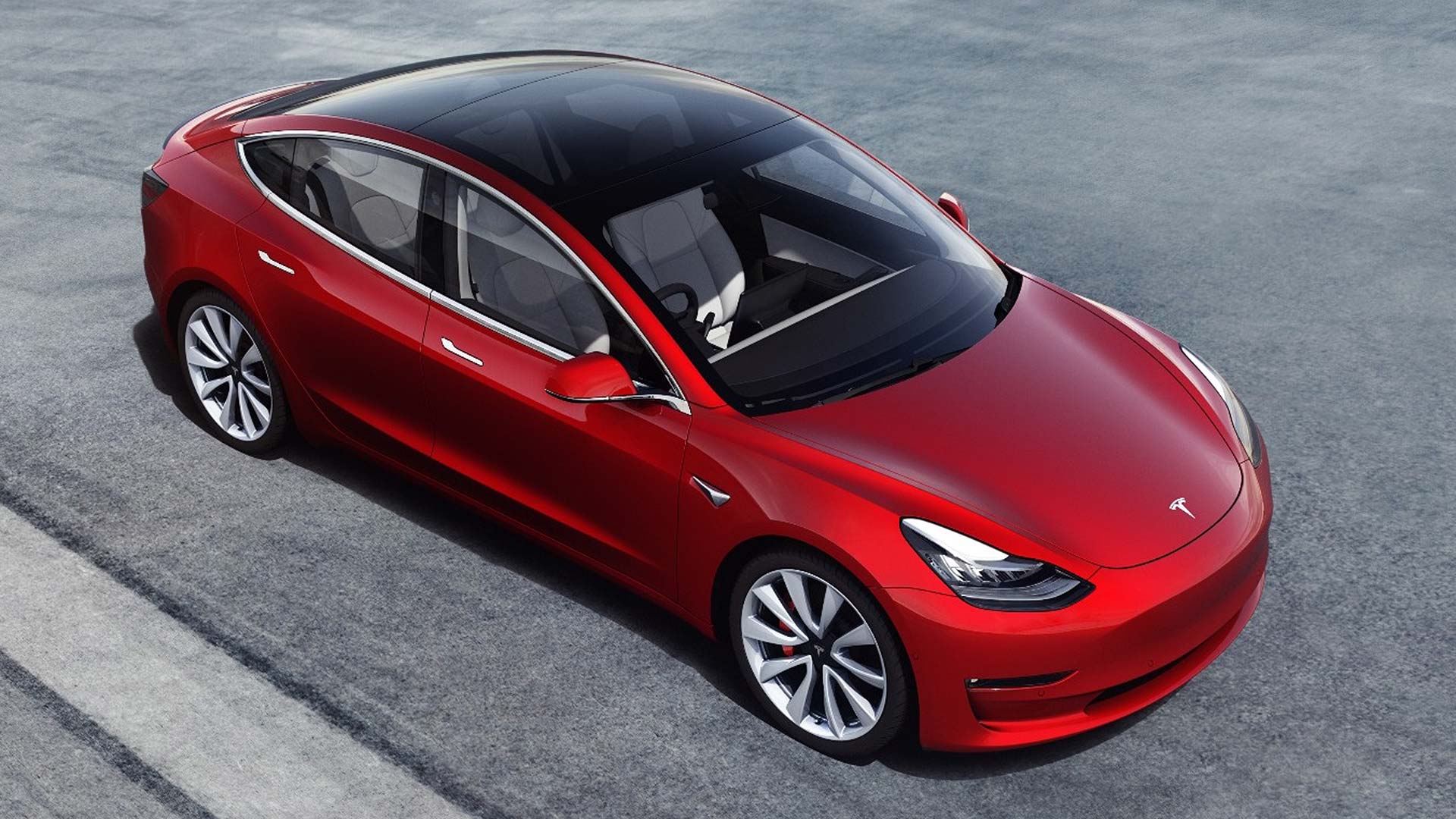


Tesla vehicles, including the Model 3, are equipped with a Mobile Connector that comes with adapters for both standard household outlets and the J1772 charging standard. This allows Tesla owners to use public charging stations that support the J1772 connector.


Keep in mind that using third-party charging stations may not offer the same charging speed as Tesla's Supercharger network, as Superchargers are specifically designed for fast charging Tesla vehicles. However, using J1772 charging stations is a convenient option when Superchargers are not available or if you're on a road trip and need to access different charging networks.


Before planning a charging session, it's a good idea to check the compatibility of the charging station with your Tesla Model 3 and ensure you have the necessary adapters. Additionally, many electric vehicle charging networks have mobile apps or websites that provide real-time information about station availability, charging rates, and other details to help you plan your charging stops.

Wednesday, November 22, 2023

What are the different Tesla Model 3 trim levels?


If you are thinking about buying a Tesla Model 3, you might be wondering what are the different trim levels and how they compare. In this blog post, I will explain the main features and differences of the four Tesla Model 3 variants: Standard Range Plus, Long Range, Performance and Plaid.


The Standard Range Plus is the most affordable option, starting at $39,990. It has a rear-wheel drive system and a battery range of 263 miles. It can accelerate from 0 to 60 mph in 5.8 seconds and has a top speed of 140 mph. It comes with a 15-inch touchscreen, a premium sound system, heated front seats, wireless phone charging and basic Autopilot.


The Long Range is the next step up, costing $49,990. It has an all-wheel drive system and a battery range of 353 miles. It can accelerate from 0 to 60 mph in 4.2 seconds and has a top speed of 145 mph. It has the same features as the Standard Range Plus, but also includes heated rear seats and steering wheel, LED fog lamps and an upgraded Autopilot with Full Self-Driving Capability (FSD).


The Performance is the sportiest option, priced at $54,990. It has an all-wheel drive system and a battery range of 315 miles. It can accelerate from 0 to 60 mph in 3.1 seconds and has a top speed of 162 mph. It has the same features as the Long Range, but also adds a carbon fiber spoiler, performance brakes, lowered suspension, 20-inch wheels and a track mode.


The Plaid is the newest and most advanced option, costing $99,990. It has a tri-motor all-wheel drive system and a battery range of 396 miles. It can accelerate from 0 to 60 mph in 1.99 seconds and has a top speed of 200 mph. It has the same features as the Performance, but also includes a redesigned interior with a horizontal touchscreen, a yoke steering wheel, ventilated front seats and a premium sound system with 22 speakers.


As you can see, there are many options to choose from when it comes to Tesla Model 3 trim levels. Each one has its own advantages and disadvantages depending on your preferences and budget. I hope this blog post helped you understand the differences and make an informed decision. If you have any questions or comments, feel free to leave them below.

Can I charge my Tesla Model 3 at a destination charger?


Yes, you can charge your Tesla Model 3 at a Tesla Destination Charger. Tesla Destination Chargers are part of Tesla's charging network, which includes Superchargers for long-distance travel and Destination Chargers for charging at hotels, restaurants, parking garages, and other locations.


Here are some key points about Tesla Destination Chargers:


1. **Compatibility:** Tesla Destination Chargers are specifically designed for Tesla vehicles, including the Model 3.
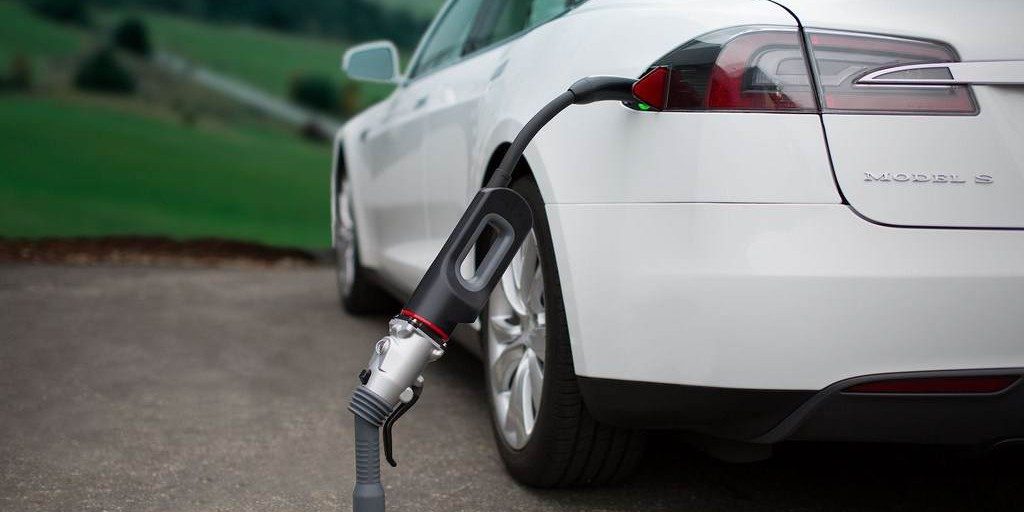

2. **Charging Speed:** The charging speed at Destination Chargers is generally slower than at Superchargers but faster than most standard home chargers. The charging rate can vary, but it typically provides a convenient option for adding range during shorter stops.


3. **Network Availability:** Destination Chargers are located at various destinations and may not be as widespread as Superchargers. You can find them at hotels, resorts, restaurants, and other businesses that are part of the Tesla Destination Charging network.


4. **Connector Type:** Tesla Destination Chargers use a Tesla Wall Connector, and the charging cable provided with your Tesla vehicle should be compatible.


5. **Payment:** In most cases, Tesla Destination Chargers are free to use for Tesla owners, especially if they are located at businesses that have partnered with Tesla to provide the charging service. However, it's a good idea to check with the specific location to confirm their charging policies.


To locate Tesla Destination Chargers, you can use the Tesla navigation system in your car or check the Tesla website or mobile app, which provides a map of charging locations. Always confirm the availability and any charging fees or requirements with the specific destination where you plan to charge your Model 3.

Tuesday, November 21, 2023

What is the maximum towing capacity of a Tesla Model 3?


As of my last knowledge update in January 2022, Tesla has not officially specified a towing capacity for the Tesla Model 3 in its user manuals or on its website. Tesla initially did not market the Model 3 as a vehicle designed for towing, and towing capabilities were not a prominent feature.


However, it's essential to note that information and specifications can change over time, and Tesla may release updates or provide more details after my last update. To get the most accurate and up-to-date information regarding the towing capacity of a Tesla Model 3, I recommend checking the official Tesla website, contacting Tesla customer support, or referring to the owner's manual for the specific model and year of the Model 3 you are interested in. Keep in mind that towing capabilities, if any, may be subject to regional variations and specific configurations.

Monday, November 20, 2023

How does the Tesla Model 3 handle on snow-covered roads?


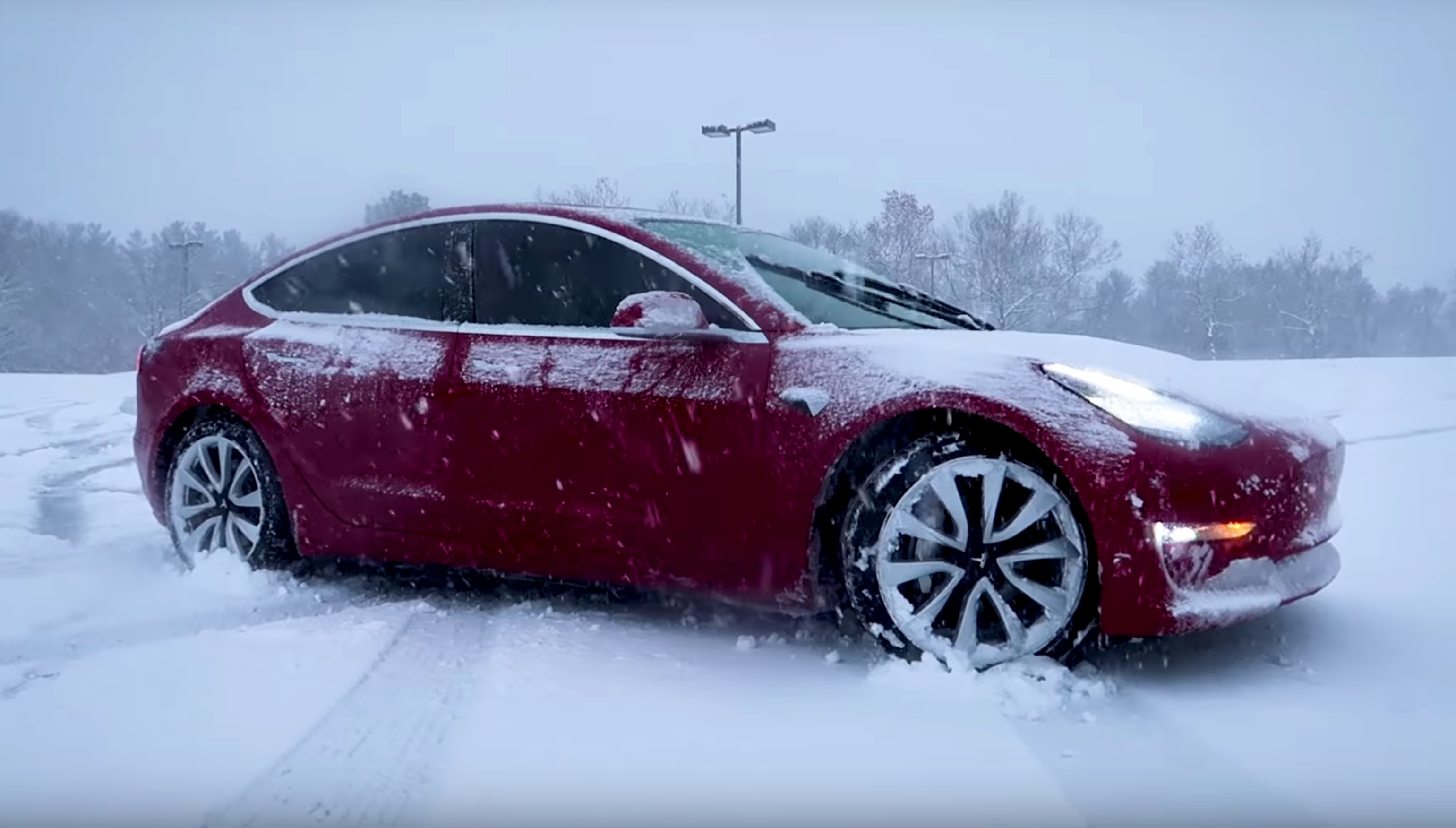
The Tesla Model 3, like many electric vehicles (EVs), can perform well in snow-covered conditions, but there are several factors to consider:


1. **Traction Control:** The Model 3 is equipped with traction control systems that can help optimize traction in slippery conditions. Electric vehicles tend to have good torque control, which can be advantageous in low-traction situations.


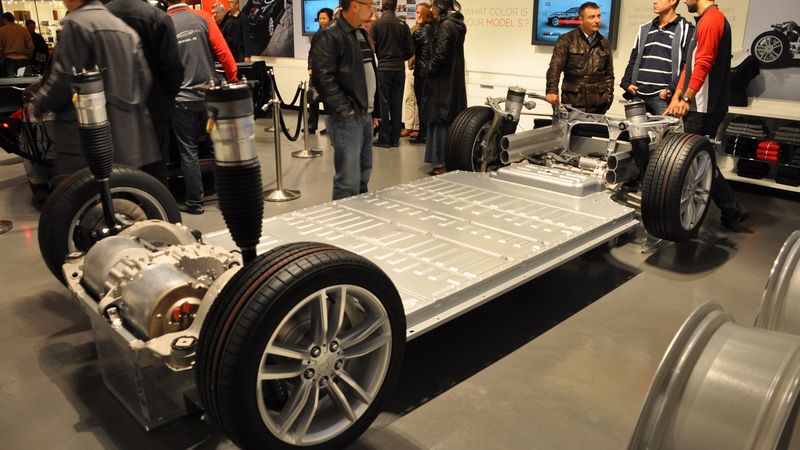
2. **Weight Distribution:** The weight distribution of the Model 3, with the heavy battery pack located at the bottom of the car, can contribute to stability on snowy roads. The weight distribution helps improve traction and handling.


3. **All-Wheel Drive Option:** The Tesla Model 3 is available in both rear-wheel drive (RWD) and all-wheel drive (AWD) configurations. The AWD option, known as Dual Motor All-Wheel Drive, can provide better stability and traction in snowy conditions compared to the RWD version.
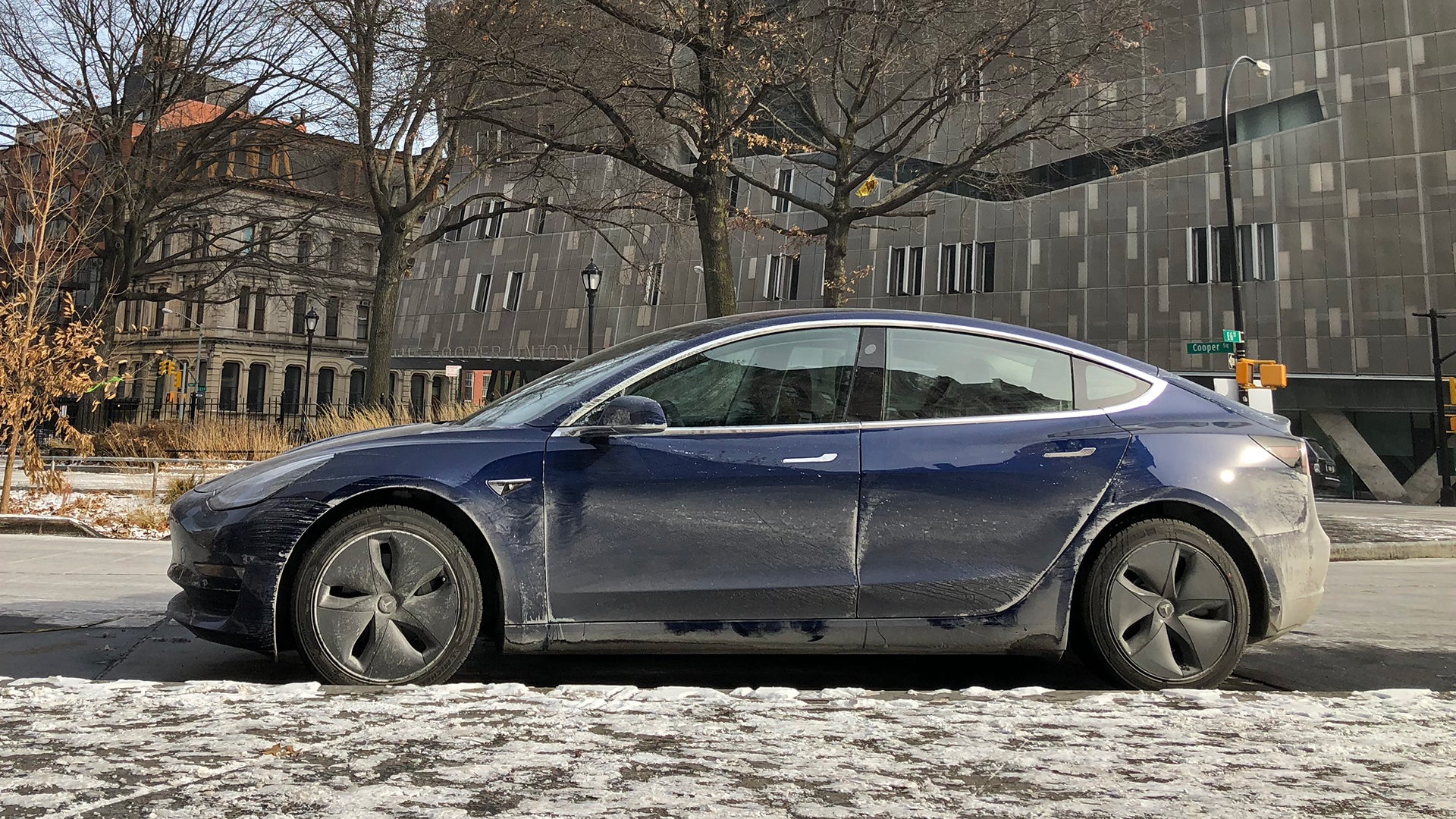
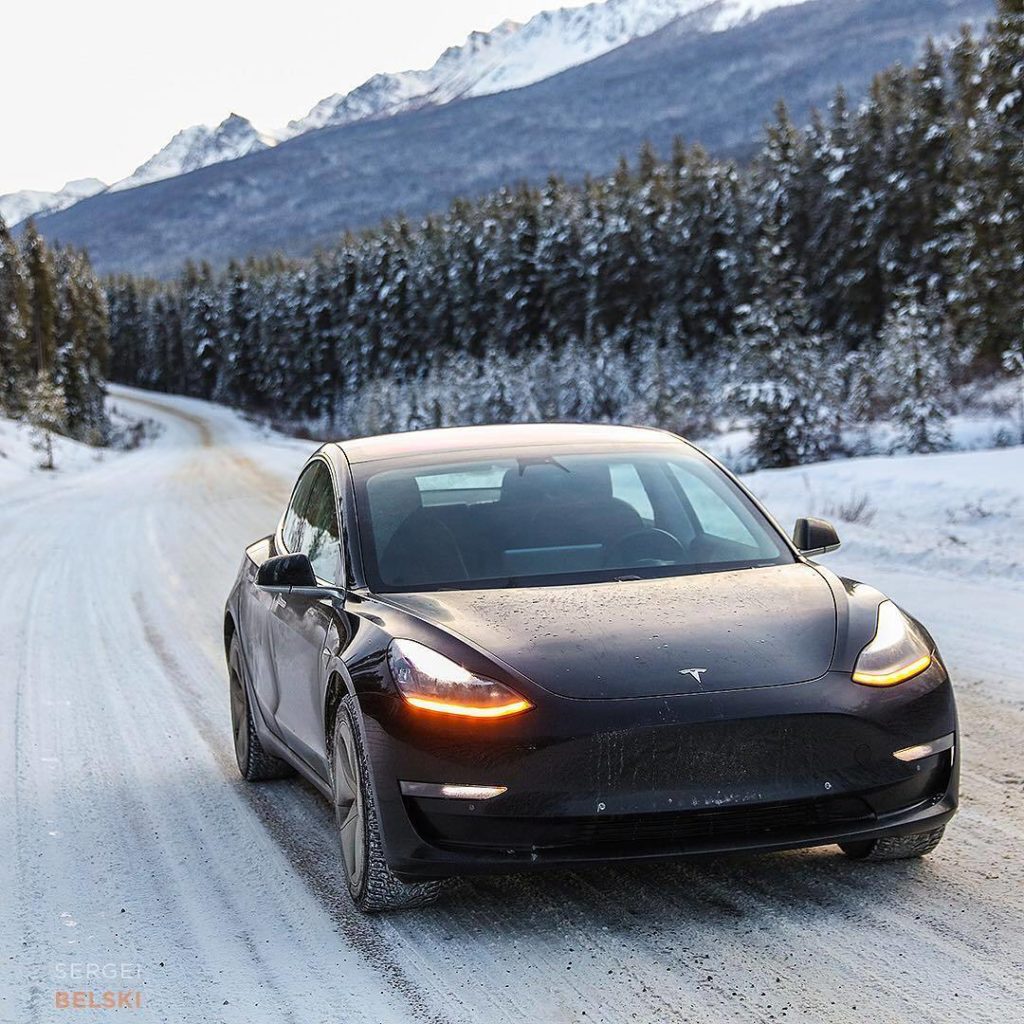

4. **Winter Tires:** Like any vehicle, the type of tires you use can significantly impact winter performance. Winter or snow tires can enhance traction and braking on snow and ice.


5. **Regenerative Braking:** The regenerative braking system in electric vehicles, including the Model 3, can be adjusted to a more conservative setting in snowy conditions to prevent the wheels from locking up during regenerative braking.


6. **Driver Assistance Features:** The Model 3 comes with various driver assistance features, such as traction control, stability control, and anti-lock brakes, which contribute to safer driving in adverse weather conditions.


While the Tesla Model 3 can handle snow-covered roads well, it's essential to exercise caution and adjust your driving habits to accommodate the road conditions. Factors such as tire choice, driving speed, and maintaining a safe following distance become crucial in snowy or icy conditions. Additionally, keeping the vehicle's software and firmware up to date can ensure that you have the latest enhancements and optimizations for winter driving.

Sunday, November 19, 2023

What is the lifespan of a Tesla Model 3 battery?


 One of the most common questions that prospective Tesla buyers have is: what is the lifespan of a Tesla Model 3 battery? This is a valid concern, as the battery is one of the most expensive and important components of an electric vehicle. In this blog post, we will try to answer this question based on the available data and research.


The lifespan of a Tesla Model 3 battery depends on several factors, such as the usage, charging habits, climate, and maintenance of the vehicle. However, a general estimate can be derived from the warranty that Tesla offers for its batteries. For the Model 3, Tesla provides an eight-year or 120,000-mile (whichever comes first) warranty for the Standard Range and Standard Range Plus variants, and an eight-year or 150,000-mile warranty for the Long Range and Performance variants. The warranty guarantees that the battery will retain at least 70% of its original capacity during this period.


This means that a Tesla Model 3 battery can last for at least eight years or 120,000 to 150,000 miles before its capacity drops below 70%. However, this does not mean that the battery will stop working after that. It just means that the range and performance of the vehicle will be reduced. In fact, some studies have shown that Tesla batteries can retain more than 90% of their capacity even after 200,000 miles of driving. This suggests that a Tesla Model 3 battery can last for well over a decade or 300,000 miles under normal conditions.


Of course, these are just averages and estimates based on limited data. The actual lifespan of a Tesla Model 3 battery may vary depending on how the vehicle is used and maintained. Some factors that can affect the battery degradation are:


- Driving style: Aggressive driving, such as frequent acceleration and braking, can put more stress on the battery and reduce its lifespan.

- Charging habits: Charging the battery to 100% or letting it drop below 20% can also degrade the battery faster. Tesla recommends keeping the battery between 30% and 90% for optimal longevity.

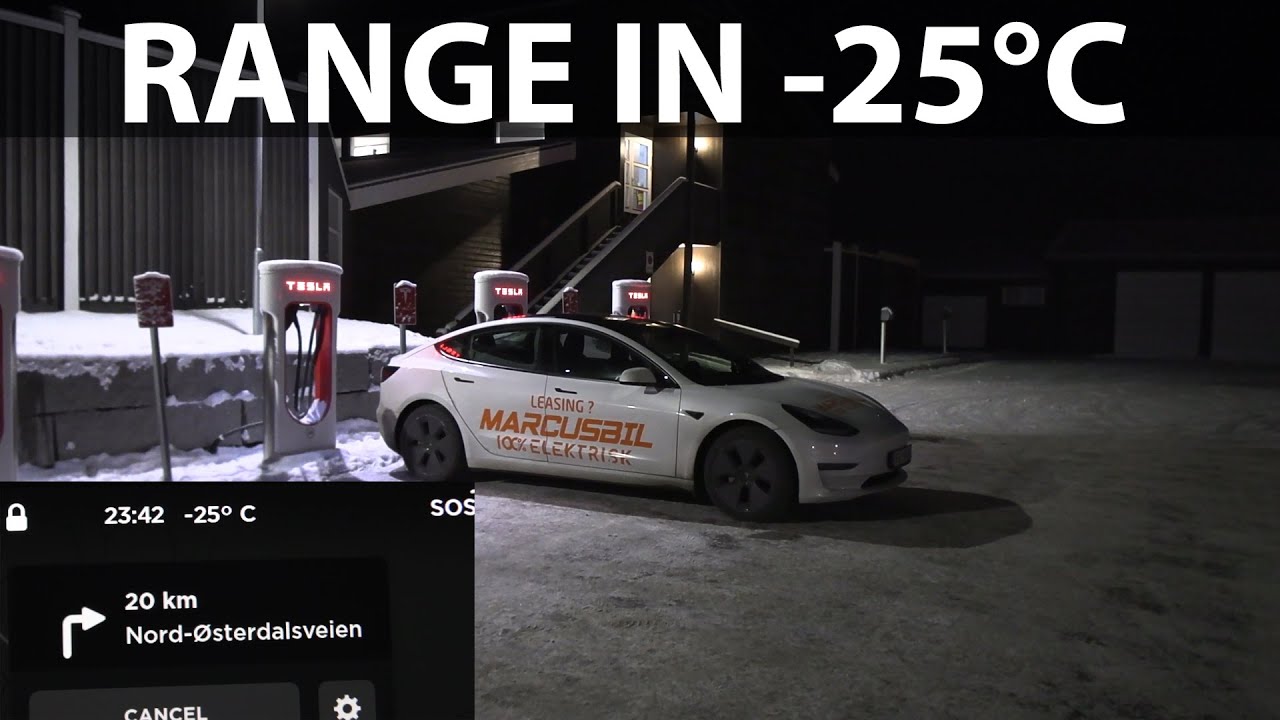
- Climate: Extreme temperatures, especially heat, can also damage the battery cells and reduce their capacity. Tesla advises avoiding exposing the vehicle to temperatures above 120°F or below -22°F for long periods of time.

- Maintenance: Keeping the vehicle software updated and following the recommended service schedule can also help preserve the battery health and performance.


In conclusion, the lifespan of a Tesla Model 3 battery is not a fixed number, but rather a range that depends on various factors. However, based on the warranty and the available data, we can estimate that a Tesla Model 3 battery can last for at least eight years or 120,000 to 150,000 miles before its capacity drops below 70%, and possibly much longer if properly cared for. This makes Tesla Model 3 one of the most durable and reliable electric vehicles on the market today.


Popular Posts

Popular Posts

Popular Posts