 | $139.95 End Date: Thursday Jul-18-2019 11:17:36 PDT Buy It Now for only: $139.95 Buy It Now | Add to watch list |
Monday, March 26, 2012
For BMW E65 7 Series Pair Set of 2 Front Brake Disc Rotors Vented 348mm Brembo
Wednesday, March 21, 2012
Hybrid vehicles: All you need to know

The hunt for environmentally friendly vehicles has been on for quite a while now. Alternative sources of fuel (such as biodiesel and hydrogen) may reduce tailpipe emissions from internal combustion engines or not produce any at all, but these fuel types are not available in sufficient quantities.
Electric vehicles are not much good either in the real world, although there are no emissions from them, they have a limited drivable range and the batteries take way too long to recharge. They are also very expensive to buy.
To overcome the drawbacks of an electric vehicle, the hybrid vehicle was created. Besides reducing emissions, it offers increased mileage and decent driving range.
Hybrid vehicles feature a powertrain that includes a traditional internal combustion engine as well as an electric motor, batteries and a generator, which are the same components as in an electric vehicle.
Hybrid vehicles are of two types: parallel hybrids and series hybrids.
Here is how parallel hybrid vehicles work:
The internal combustion engine on parallel hybrid vehicles is mated to an automatic transmission that powers the wheels of the car. At this moment you may be wondering, if the car is powered by an internal combustion engine, what good is the lot of batteries, a generator and the electric motor in a hybrid vehicle?
The concept here is that while the internal combustion engine is there to offer adequate drive power. On the other hand, the electric motor powered by the battery helps drive the wheels of the car at low speeds. The electric motor is what comes into play when a hybrid vehicle is started. Also, when a hybrid vehicle is idling the electric motor is running and powering various electrical components, this means there are no tailpipe emissions at that moment from the vehicle.

Step on the accelerator pedal and the electric motor drives the vehicle forward. Usually, hybrid vehicles can go up to speeds of about 50km/h on battery power alone.
The benefits of this is that a vehicle uses more energy to start moving from standstill to low speeds than it uses to increase its travelling speed under normal driving conditions. This is why a conventional vehicle consumes more fuel in stop start traffic. As a result, hybrid vehicles consume no fuel in stop and go traffic when the battery is charged.
The downside of electric motors in hybrid vehicles is that they are not powerful enough to allow a car to achieve medium or high speeds. This means that a hybrid vehicle will not be able to keep up with traffic on the road. Of course, this problem can be tackled by fitting a bigger motor and more batteries. However, doing this will take up a lot of space in the vehicle, rendering it impractical for day to day use. Also, the added weight of heavy batteries will increase fuel consumption and tailpipe emissions.

Anyway, back to the accelerator pedal. When the driver wants to speed up the vehicle, due to limited capability of the electric motor, the internal combustion engine is powered up automatically and it starts driving the wheels of the car to achieve higher speeds and keep up with traffic on the road.
Hybrid vehicles seldom come with powerful internal combustion engines as that would increase tailpipe emissions, thereby rendering the concept of a hybrid vehicle pointless. This means hybrid vehicles are not very powerful, but to overcome this issue the electric motor on a hybrid vehicle works in tandem with the internal combustion engine to improve acceleration.
When the internal combustion engine is running, it also charges the battery on the car via the onboard generator that converts mechanical energy into electrical energy, allowing the battery to regain the lost charge during initial acceleration, high speed acceleration and idling. Under braking, hybrid vehicles use regenerative braking to convert kinetic energy from the brakes into electrical energy used to charge the onboard battery. The batteries on parallel hybrid vehicles do not need to be charged like that of electric vehicles as they are always charged by the internal combustion engine.
Moving on to series hybrid vehicles, here is how they work:
Like parallel hybrid vehicles, series hybrids use an internal combustion engine and an electric motor, a generator and batteries. However, the internal combustion engine in series hybrid vehicles never directly powers the wheels of the vehicle. Instead, it charges the battery of the vehicle via its generator. The electricity generated is then stored in the batteries, which in turn is used to power the wheels of the vehicle.
Series hybrid vehicles are also referred to as Range-Extended electric vehicles as the primary job of the internal combustion engine is to generate electricity that is used to drive the car.

Series hybrid technology is being taken up by an increasing number of car manufacturers as it is more efficient and simpler to parallel hybrid technology. Internal combustion engines on series hybrids are smaller and consume lesser fuel as they do not have to power the wheels of the vehicle. However, the electric motor, battery pack and generator in series hybrids are larger and more powerful than that of parallel hybrids. This adds to the cost and makes series hybrids more expensive than parallel hybrids.
Hybrid vehicles are the most successful type of eco-friendly vehicles in the market today due to their real world usability and practicality.
Having mentioned how hybrid vehicles work, it would be worth mentioning that when it comes to parallel hybrids (most hybrids on the road today are parallel hybrids), their efficiency is based on how the vehicle is driven. If a parallel hybrid vehicle is driven aggressively, then fuel consumption and tail pipe emissions will be higher than a conventional hatchback being driven in a normal manner.
Truth be told, hybrids are very appealing to environmental bodies and the eco-friendly mindset due to their theoretical low emission figures. However, in the real world it’s all about how you drive in case of parallel hybrids. Take it easy on the throttle and any regular vehicle’s fuel efficiency will rise, in turn, lowering harmful emissions.
Electric vehicles - all you need to know
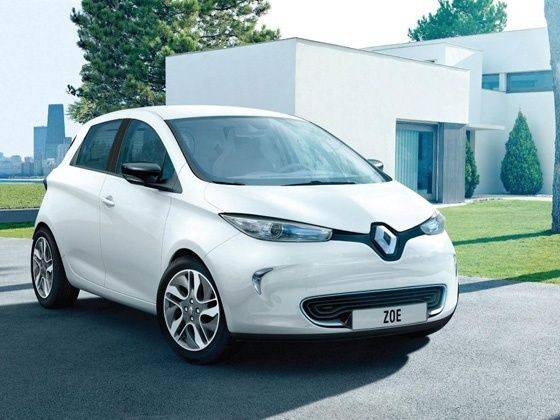
Among all the wacky alternate fuel ideas that include everything from excreta to biodiesel, electricity has also been considered as an alternative to conventional fuels.
Electric Vehicles (EVs) have been around since mid 1800s. During early years, electric vehicles had many advantages over cars powered by internal combustion engines. In those days, vehicles with internal combustion engines were started using a hand crank, whereas EVs could be started like regular cars today. EVs did not have gearboxes or the noise and vibration levels of a petrol-powered car.
However, their expensive price tag and limited range led petrol powered car to prosper. Way back in 1912, an electric car cost $1750 (Rs 88,000) while a petrol-powered car sold for $650 (Rs 32,700). This massive price difference ultimately killed off the electric car during the early days of motoring.
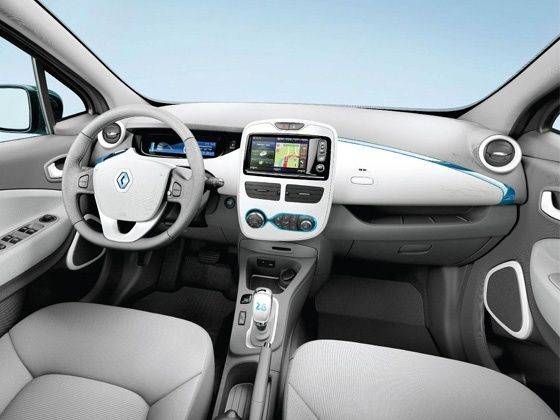
However, rising fuel prices, limited oil resources and environmental concerns have brought the electric car back into mainstream production line for automobiles. Almost all mainstream car makers have been building electric concept cars as well as production version of electric and hybrid cars.
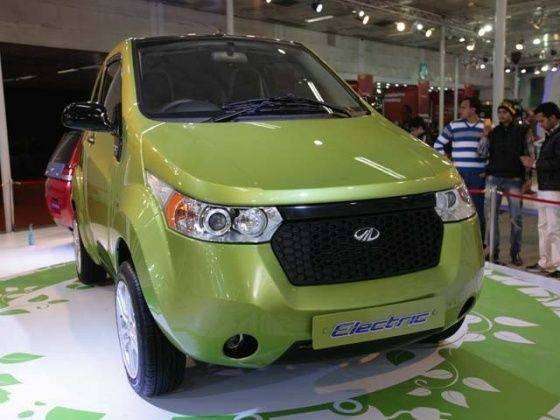
Today, electric cars consist of three key components – a battery, an electric motor and a direct current controller. Lithium ion batteries are the current trend in electric and hybrid cars as they allow more travelling range. The battery has to be charged to full, which can done from a traditional power outlet, for attaining the longest driving range. Direct Current (DC) motors are simpler and less expensive, and run on voltage between 96 and 192 volts.
Compared to a conventional fuel-powered vehicle, the working of EVs are relatively simpler to understand. Once an EV is turned on, the driver can depress the accelerator pedal that is connected to the direct current controller which directs the electric motor as to how much power it should use from the battery to power the wheels of the car. The latest trend used by electric vehicles is regenerative braking system that uses the friction caused by the brakes of a vehicle while slowing down and converts it into electricity, which is then used to charge the battery. This helps further increase the range of EVs.
As an EV has such few components, there is little that goes wrong. As a result, they are cheaper to run and maintain on a daily basis than a conventional fuel-powered car.
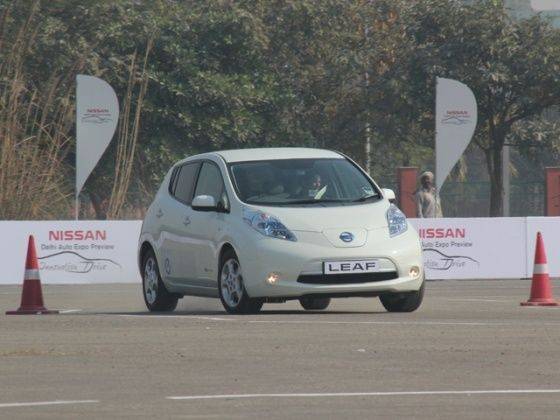
The Nissan Leaf EV is a good example to give you an idea about the current state of EVs. The Leaf is currently on sale as an electric vehicle in various developed nations. It has a range of 160 – 180 km depending on the driving style. An aggressive driving style will lower the maximum range of an EV while a relaxed driving style will allow more driving range from the battery. It takes about eight hours to fully charge the battery of the Nissan Leaf from a conventional power outlet. The Nissan Leaf also comes with a quick charger that can charge 80 percent of the battery in 30 minutes.
However, using the quick charger extensively will deplete the condition of the battery sooner than its life span of 5 – 10 years. The problem with a modern EV is that the cost of their lithium ion batteries are staggering, and having to replace them will mean an expense so high that it equates to buying a new conventional fuel-powered hatchback!
Monday, March 19, 2012
Solar-powered cars: All you need to know
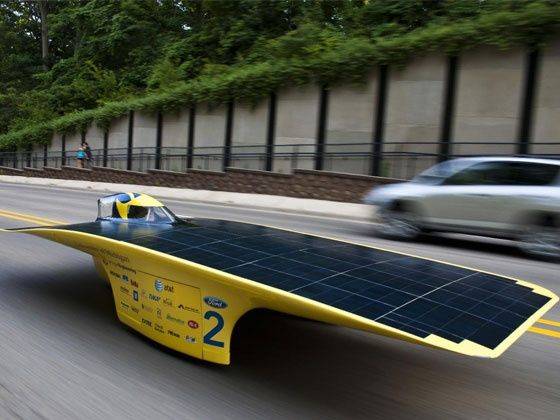
The quest for alternative sources of power for automobiles explored the possibility of solar power. As the name suggests, solar power is acquired by absorbing the sun’s energy in the form of sunlight.
On solar vehicles, light energy is absorbed by photovoltaic (PV) cells arranged on frames called solar panels that are exposed to direct sunlight. When sun light hits the PV cells on a solar panel, it charges the electrons on the panel (that is usually made of silicon) creating an electrical current. This electric current is converted to a proper system voltage by power trackers, after which the electric current is stored in the onboard battery on a solar vehicle.
The electric charge in the battery can be used by an electric motor to power the wheels of a solar vehicle. A motor controller determines the amount of power to be sent to the wheels of a solar vehicle depending on the throttle input by the driver.
A solar vehicle has numerous solar panels fitted over its body panels. Naturally, the size of the vehicle determines the number and size of solar panels that can be mounted on a solar vehicle. To put it simply, more the merrier is the principle in this case. More light energy absorbed by the sun higher the amount of electricity generated.
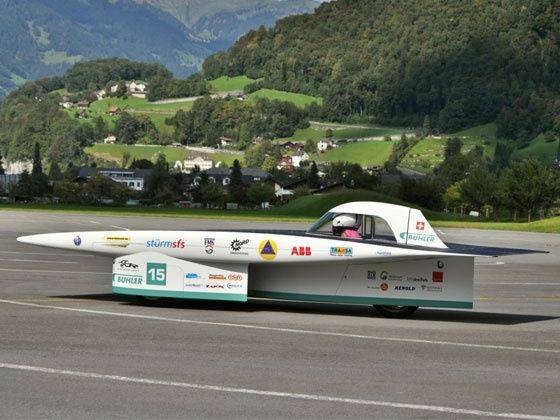
Solar power has been used to drive vehicles as a showcase of the technology. However, in the real world this technology never caught on mainly because high amounts of electricity cannot be generated by solar panels. Also, sunlight is only available during the day time. Cloudy days don’t help either.
As a result, solar vehicles are made of lightweight body panels and are usually one seater vehicles as they do not generate enough power to carry too much load. The lightweight body panels of solar vehicles compromise on crash worthiness of a vehicle making them unsafe and illegal as they do not comply with safety standards for vehicles. These vehicles also lack features of conventional vehicles as there is no extra power to operate audio systems, air conditioning systems, satellite navigation units or even power windows for that matter.
Solar vehicles have been rendered hugely impractical and unsafe, this is why they have never been considered for mainstream production.
However, mainstream car manufacturers have considered solar power for their concept cars on a different level. Smaller solar panels have been incorporated on concepts that charge the vehicle’s battery used to power various electrical components such as audio systems, interior lights, etc. An example of this was the 2008 Cadillac Provoq concept. This helps in reducing fuel consumption as the engine does not have to charge the battery of a vehicle.
Biodiesel: All you needed to know
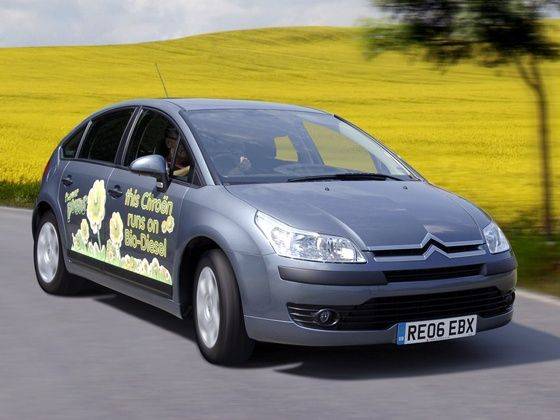
In the past decade, environmental concerns have grown phenomenally. Another concern is the limited availability of petroleum products because of which alternate fuel has to be discovered to keep economies on track and automobiles on the road. Over the years, many attempts have been made to create and consider alternate sources of fuel for the internal combustion engine. Quite a few options have been considered, among which, bio-diesel looks the most viable option as of now.
Biodiesel is an environment-friendly fuel that can be used to power diesel internal combustion engines. It is made of vegetable oil, animal oil/fat, tallow and waste cooking oil. Transesterification is the name of the process used to convert the ingredients for Biodiesel into the final product.
Here are the steps of transesterification,
• Base catalysed transesterification of vegetable oil and fat with alcohol,
• Direct acid catalysed with transesterification of the oil with methanol,
• Conversion of oil into fatty acid, and
• Acid catalysis of fatty acids to Alkyl esters or Biodiesel
Biodiesel is a renewable source of energy and does not pollute the environment as much as petroleum diesel does. One of its biggest advantages is that it doesn’t require any modification to the diesel engine to be able to tank it up with biodiesel. Also, it can be blended and used with regular petroleum diesel.
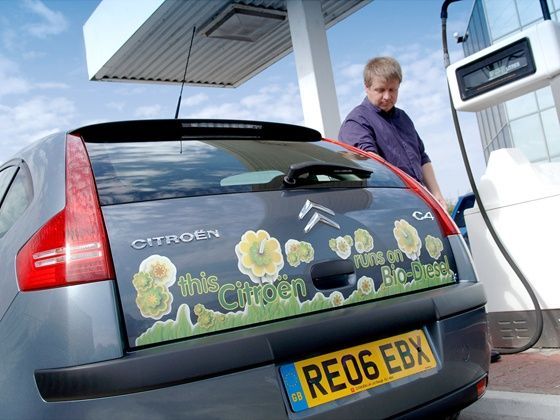
So, even if your vehicle runs out of biodiesel and none is available at that moment, it can be refuelled with regular petroleum diesel. The downside to blending petroleum diesel with biodiesel is the increased emissions – greater the quantity of petroleum diesel in the mix, more the amount emissions from the engine.
Biodiesel in its purest form is designated B100, with ‘100’ denoting the percentage of biodiesel in the fuel prepared. Although biodiesel can be used in its purest form in diesel engines, it is usually blended with petroleum diesel. Different blends of biodiesel and petroleum diesel are produced according to the target level of emissions to be achieved. The most common blend of biodiesel available in the market is B20, which consists of 20 percent biodiesel and 80 percent petroleum diesel.
B100 can damage the natural rubber compounds in the engine by softening and degrading natural rubber seals, etc. This is why B20 grade is a more commonly used biodiesel. Another disadvantage of biodiesel is that it turns into a gel under cold temperatures. The temperature at which biodiesel gels depends on the ingredients used to make it. Once it turns into a gel, it cannot be pumped, as a result the engine will not start.
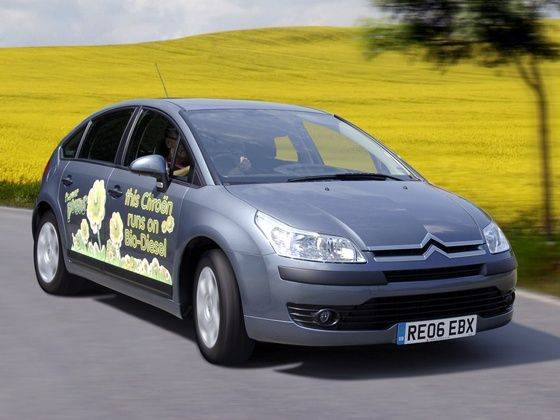
However, the biggest problem of all is that making biodiesel requires lots of agricultural land to grow plants such as rapeseed, soyabean, canola, etc. The ultimate argument that this boils down to is, plants for food or fuel. As a result it is highly unlikely that biodiesel is a permanent solution to alternate sources of fuel for the internal combustion engine.
Biodiesel is available in many fuel filling stations across various nations in Europe and in America. In 2011, 2,21,17,000 tonnes of biodiesel was produced in Europe.
In India initiative was taken by various bodies and private companies to create biodiesel. Dr. Abdul Kalam, former president of India, was one of the strong advocators for biodiesel production through the cultivation of the Jatropha crop. The Jatropha plant which grows on wasteland was considered as the plant of choice as Jatropha oil produced by the seeds of a plant is an excellent source of biodiesel. India’s biodiesel capacity is estimated at 6,00,000 tonnes per year.
In many countries biodiesel is subsidised, as a result it is slightly cheaper per litre than petroleum diesel. However, it’s expensive in countries where biodiesel is not subsidised. Price difference between petroleum diesel and biodiesel per litre can hover around Rs. 100 and Rs. 140. But the price difference tends to change rapidly depending on international crude oil prices, subsidies on biodiesel and on the biodiesel rates itself.
For Mercedes-Benz C220 CLK320 ABS Wheel Speed Sensor Front Left Siemens/VDO
 | $71.41 End Date: Thursday Jul-11-2019 8:05:26 PDT Buy It Now for only: $71.41 Buy It Now | Add to watch list |
Saturday, March 10, 2012
Vera Pelle Genuine Italian Leather Little Mini Shoulder Handbag Italy Bag
 | $25.38 End Date: Tuesday Jul-2-2019 10:28:05 PDT Buy It Now for only: $25.38 Buy It Now | Add to watch list |
Thursday, March 8, 2012
BMW E70 X5 E71 X6 Genuine Rear Brake Pad Set,Pads 4.8i 50i 35ix 50ix NEW OE
 | C $140.50 End Date: Sunday Sep-8-2019 16:02:41 EDT Buy It Now for only: C $140.50 Buy It Now | Add to watch list |
Wednesday, March 7, 2012
2001-2005 GENUINE OEM MITSUBISHI MONTERO POWER ANTENNA MAST AERIAL ROD MR515821
 | $60.14 End Date: Saturday Jun-29-2019 12:52:15 PDT Buy It Now for only: $60.14 Buy It Now | Add to watch list |
Thursday, March 1, 2012
Run flat tyres
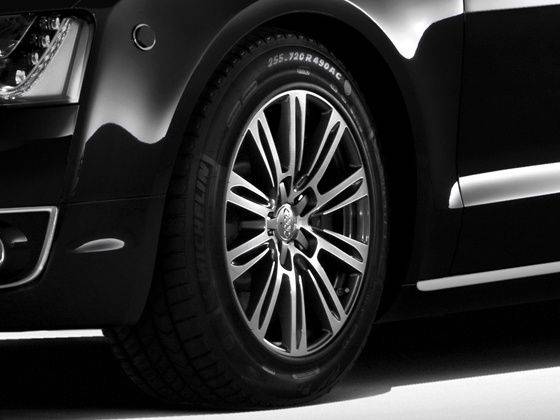
Run flat tyres are designed to minimize loss of handling of a vehicle after a tyre puncture has occurred. It allows the car to be driven on the punctured tyre so that the driver does not have to change the tyre. However, after a puncture has occurred it can be driven only for a short distance (about 150 kms) and under a limited speed (usually 80 km/h).
Run flat tyres offer a very bumpy ride and cause the car to feel even minor jerks and bumps on the road because of insufficient air that could have absorbed bumps. Alongside, the sidewalls become rigid and are unable to maintain the shape of the tyre in the event of a puncture.
Run flat tyres have reinforced sidewalls and additional lateral strengthening to ensure that the tyre maintains its shape and form without air pressure in it to bear the weight of the vehicle. Loss of air pressure in a tyre also increases friction and heats up the tyre, as a result heat resistant rubber is used to construct a run flat tyre to reduce heat build up in case of a puncture.
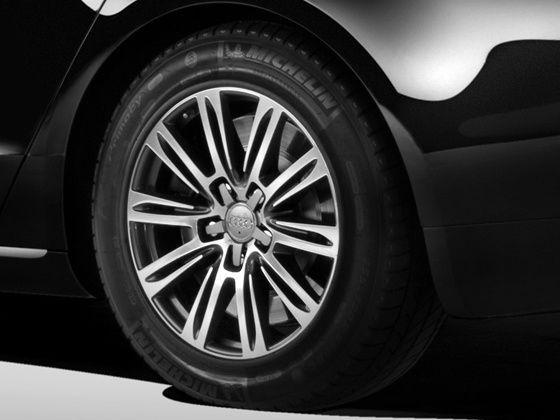
On normal pneumatic tyres, the air pressure inside the tyre keeps the tyre beads in place on wheel rim flange. Run flat tyres are designed to keep the tyre beads in place on the wheel rim flange even while there is no air pressure inside the tyre. This is done by physically blocking off the wheel rim well with a supporting rim (between the tyre and the wheel rim) to support a deflated tyre on the wheel rim. This system ensures that the run flat tyre’s beads do not come off the wheel rim flange while the car is moving in a straight line or while cornering.
Vehicles equipped with run flat tyres come with a Tyre Pressure Monitoring System (TPMS) to inform the driver about the vehicle’s tyre pressure on each wheel. Run flat tyres are designed to minimise the difference in ride and handling when the tyre is punctured, as a result the driver may not otherwise be aware of a tyre puncture.
Many high-end car manufacturers offer run flat tyres as standard on their cars to save space of a tyre in the boot of a car and improve the convenience of having to change the wheel of a car in case of a tyre puncture.
TIP: Run flat technology tyres on roads which have tabletop surfaces may be practical. Advantages like cornering ability and handling may be enhanced. In a country like India, where highways are riddled with potholes, which sometimes have razor-edges can leave you minus the tyre and the rim. Under such circumstances, if you further do not have a spare wheel which means you take a lift in the next available jaunty jalopy to take you to a place where you can get alternative transport to go home and send a platform for your high-end car to civilisation. This episode can drain your money purse by few tens of thousands of rupees. RUN FLAT TECHNOLOGY TYRES ON INDIAN ROADS ARE A BIG NO-NO!
High speed tyres

Tyres are constructed with a purpose designed to suit a particular vehicle type. This is done to help the vehicle go about its purpose with ease, bearing in mind the cost constraints of consumers.
For example, a truck is recommended to be fitted with tyres that have a high load bearing capacity, while the speed rating is kept low as trucks are not meant to travel at very high speeds. If both high speed and high load carrying capacity is to be incorporated in truck tyres, it will make them unnecessarily expensive.
Similarly, while technology may exist for companies to manufacture tyres with a speed rating of 300+ km/h, if these tyres are fit to an ordinary hatchback it would be of little use as the car would be incapable of travelling at such high speeds. Also, the cost of the vehicle would go up due to the expensive tyres. As a result, a vehicle is fitted with tyres that have a speed rating slightly higher than what the vehicle can achieve.
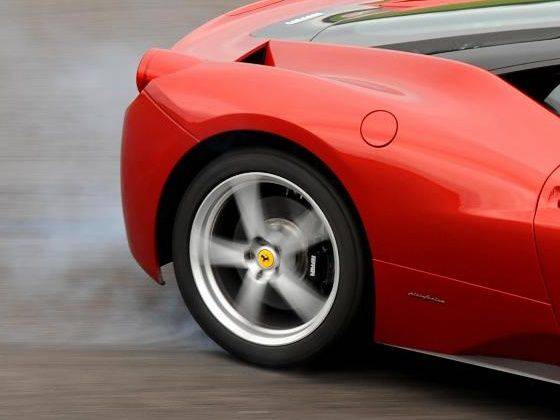
High speed tyres are recommended by vehicle manufactures on cars that can exceed a speed of 210 km/h. Cars under this category can range from hot hatchbacks to sports sedans, sports coupes, sports cars and hyper cars.
Here is a chart denoting tyre speed ratings:
| Code | km/h | code | km/h |
| A1 | 5 | L | 120 |
| A2 | 10 | M | 130 |
| A3 | 15 | N | 140 |
| A4 | 20 | P | 150 |
| A5 | 25 | Q | 160 |
| A6 | 30 | R | 170 |
| A7 | 35 | S | 180 |
| A8 | 40 | T | 190 |
| B | 50 | U | 200 |
| C | 60 | H | 210 |
| D | 65 | V | 240 |
| E | 70 | Z | Over 240 |
| F | 80 | W | 270 |
| G | 90 | (W) | Over 270 |
| J | 100 | Y | 300 |
| K | 110 | (Y) | Over 300 |
High speed tyres are made up of more durable and expensive materials and compounds that can resist high temperatures due to high-speed rolling resistance and deal with strong G forces under hard cornering.
Tyres for comfort
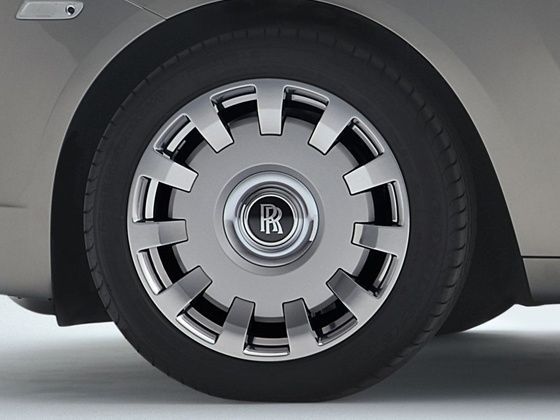
It is obvious that a soft rubber tyre should give you a more comfortable ride than a hard rubbered tyre. But comfort is not only because of the soft rubber, it is also because of the suspension and shock absorption that's matched to it. Moreover, the aspect ratio of the tyre also has a role in the comfort vis-a-vis handling. Aspect ratio is the ratio of tread width to the wall height of the tyre, i.e, if you have a 200mm tread width, the wall height is 120mm for 60 ratio.
As the ratio goes down to 50,45, 35, etc, the the tyre looses its flexibility and the comfort suffers. For example, the Mercedes Benz S-Class rides on tyres that have an aspect ratio of 55 while a Ferrari 458 Italia rides on tyres that have an aspect ratio of 35. This means that the S-Class’ tyres have a taller sidewall than Ferrari’s. As a result, the S-Class will offer a more comfortable ride while the Ferrari will be able to carry more speed around corners thanks to tyres with a shorter sidewall.
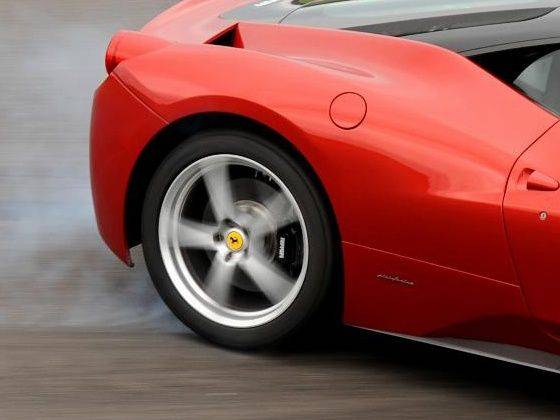
Comfort is always a trade off for handling. Hence, very comfortable cars don't use low aspect ratios. The tread pattern also determines road noise and road grip. It also determines the rate at which water is dispensable on wet roads.
In general, comfort tyres are soft with high aspect ratio coupled to a good suspension.
Tube-type versus tubeless tyres
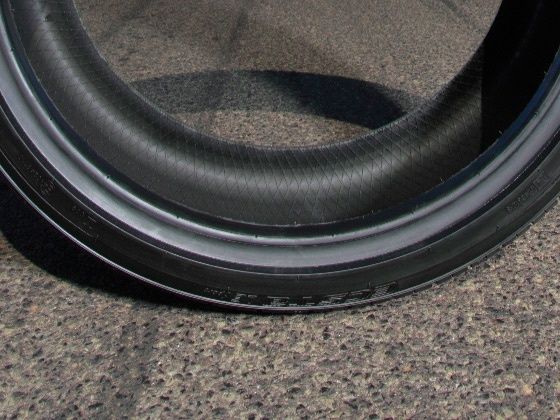
As the name suggests tube-type tyres consist of a tube which is placed between the tyre and the wheel rim. The tube inside the tyre is filled with air and inflated to allow tyres to support a vehicle’s weight and maintain the shape of a tyre.
Tube-type tyres were used for many years by all types of vehicles with pneumatic tyres before the tubeless tyre was created. However, various drawbacks of a tube inside a tyre caused the tubeless tyre to become preferred over the tube-type tyre.
The tubeless tyre scores over the tube-type tyre because it weighs less and hence less unsprung weight. Handling characteristics are also better with tubeless tyres. When the tube-type tyre looses its inflation, it has a tendency to come off the rim causing instability.
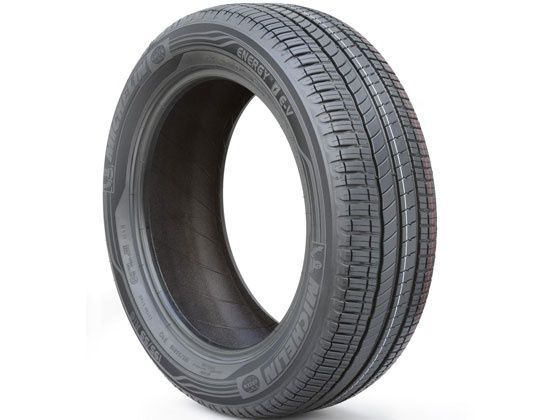
The tubeless tyre also has the advantage of repairing punctures without removing the tyre from the rim and this means individuals can repair tyres by themselves if they carry a puncture repair kit in the car. Make sure that the puncture repair is done only to the tread area and not the sidewalls.
Tyres for Eco-performance
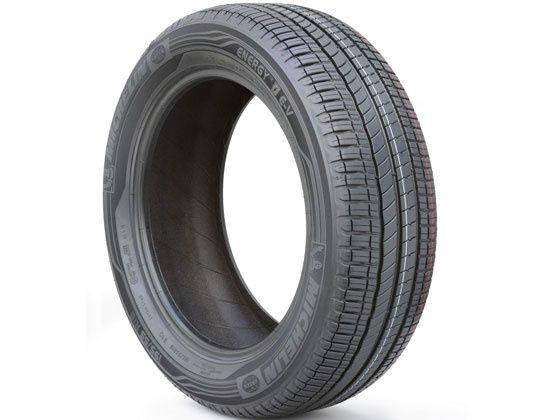
Increased environmental pressures have caused automobiles to evolve and become cleaner and more efficient. Apart from modern engine technologies that make vehicles more fuel efficient and emit lower emissions, it has been discovered that tyres, too, contribute to reducing fuel consumption and emissions.
Tyres created to reduce fuel consumption have low rolling resistance. Low rolling resistance, as the name suggests, is achieved by reducing friction between the tyre and the road surface. However, low-rolling resistance tyres adversely affect the tyre’s ability to grip the road due to less friction, making it more susceptible to loss of traction and skidding. As a result, in earlier times, it was impossible to make a tyre that reduced fuel consumption and provided good grip on all types of road surfaces and in the rain.
The introduction of silica to a tyre compound has allowed tyre makers to make low-rolling resistance tyres with adequate grip. Tyre experts looked at design, contour, compound and tread pattern, and took a completely new approach to all four components of the tyre to achieve both fuel efficiency and optimum grip.
The optimised tread grooves with extra thin sipes reduce tread deformation and minimise energy loss, reducing rolling resistance. Polymer chains used inside the tyre form a stronger bond with the silica compound. The more rigid structure along with a flatter contour reduces movement of the belt structure inside the tyre. Also, the distribution of tread depth on the tyre tread is altered to adapt to the further reducing movement of the belt structure, thereby lowering rolling resistance.
While eco tyres deliver low-rolling resistance thereby improving fuel economy, these tyres cannot be used on high-performance cars as they do not provide adequate grip. A new type of tyre called the Eco-performance tyre is gradually evolving to bridge the gap between low-rolling resistance and optimal grip.
Eco-performance tyres are made up of compounds that allow it to absorb low levels of energy under normal circumstances to improve fuel efficiency. However, the mixture of compounds used in eco-performance tyres allow the tyre to absorb higher levels of energy at higher frequencies allowing the tyre to have more grip on wet roads, under high speed manoeuvres and under braking.
Eco-performance tyres do not heat up as quickly as regular road tyres thus reducing energy consumption and increasing efficiency of the powertrain. However, the rubber in the contact patch with the road heats up quickly upon braking, shortening the braking distance of vehicles.
Snow Tyres

Ever had that sinking feeling when driving on a snow-covered road? That’s because your car is most likely shod with normal road tyres that are designed for optimum traction on dry and wet road conditions, but not on snow. Regular road tyres are also built to reduce rolling resistance so as to decrease fuel consumption.
Snow tyres, on the other hand, are constructed using a higher percentage of natural rubber and silica as it prevents the tyre from hardening as much as synthetic tyres in cold temperatures, thereby providing better traction.
Tyres with a wide contact patch will make the car sink into the snow. As a result, snow tyres have a narrow contact patch that helps provide adequate traction. Snow tyres also have more sipes on the tread pattern to allow more water to escape from under the tyre and reduce the risk of aquaplaning.
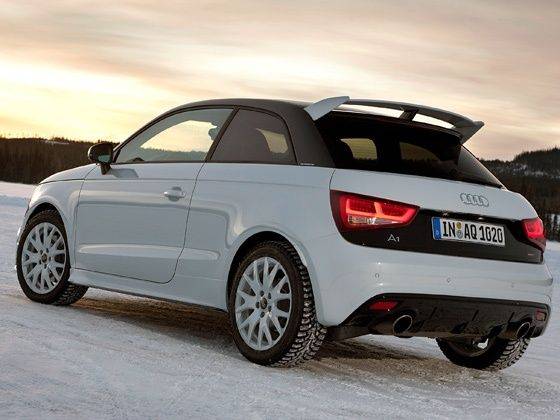
There is also a kind of snow tyres available on the market that come with tiny metal studs in the tread for increased grip on loose or fresh snow. On the flip side, these tyres cannot be used on normal road surfaces as they will wear out quickly. Besides, they would also increase fuel consumption and damage tarmac roads.
Subscribe to:
Comments (Atom)
Popular Posts
-
P179A77 The redundancy system for DIRECT SELECT has a malfunction. The commanded position cannot be reached. Possible cause: A80 (Inte...
-
Love For Cars The 2008 model may not look too different to the previous Accord, but under the surface, it is indeed all-new. The styling isn...
-
 Vehicle: All Technical Service Bulletins Diesel Engine - Crackling/Ticking Noise At Idle Engine makes intermittent knocking noise, ticking...
 -
$102.25 End Date: Sunday Jul-28-2019 13:37:55 PDT Buy It Now for only: $102.25 Buy It Now | Add to watch list
-
$75.97 End Date: Sunday Jul-7-2019 11:44:55 PDT Buy It Now for only: $75.97 Buy It Now | Add to watch list
-
Bendix TitaniuMetallic2 Brake Pads are completely reformulated with TitaniuMetallic2 blue coating and is more effective during...
-
P0108 B28 (Pressure sensor) : Short circuit to positive or open circuit (P0108) Possible cause: B28 (Pressure sensor) Affected functi...
-
The Dremel 4300-9/64 is a versatile corded rotary tool kit designed for a wide range of applications, making it an excellent choice for DI...
-
As of the latest 2025-2026 Tesla lineup, the cheapest Tesla you can buy new is the **Tesla **Model 3 Standard trim — an entry-level versi...
-
You don't need a supercar to have cool doors. There’s far more to a supercar than something as superficial as a cool pair of doors. But,...


Popular Posts
-
P179D The redundancy system for DIRECT SELECT was activated. There is a signal above the permissible limit value.2010 Mercedes Benz E 63 A...
-
D138 The message from the auxiliary oil pump is not available on the CAN bus. Possible cause: M42 (Electric transmission oil ...
-
Vehicle: All Technical Service Bulletins Diesel Engine - Crackling/Ticking Noise At Idle Engine makes intermittent knocking noise, ticking...
-
Okay, so I need to figure out the financial results for Tesla's second quarter of 2025 based on the information provided. Let me start...
-
Mercedes-Benz Mercedes Benz OEM Parts Mercedes Benz OE Replacement Parts Technical Service Bulletin # LI83-30_P-05363...
-
P179A77 The redundancy system for DIRECT SELECT has a malfunction. The commanded position cannot be reached. Possible cause: A80 (Inte...
-
Part 1 One or more messages from control unit N80 (Steering column module) are not available on the CAN bus. Possible cause: Ch...


