Monday, November 19, 2012

Honda unveils new diesel for overseas Civic... will it come here?

Filed under:
,,,,

data-ad-client="ca-pub-3906908376837136">


Honda has indeed been promoting its new Earth Dreams family of fuel efficient engines, and with good reason. The next generation of the Japanese automaker's powerplants are said to deliver more power with less consumption. You can't go wrong there.

Continue reading Honda unveils new diesel for overseas Civic... will it come here?


Honda unveils new diesel for overseas Civic... will it come here? originally appeared on Autoblog on 2012-11-19 10:46:00. Please see our terms for use of feeds.


Permalink | 
Email this | 
Comments

Wednesday, November 7, 2012

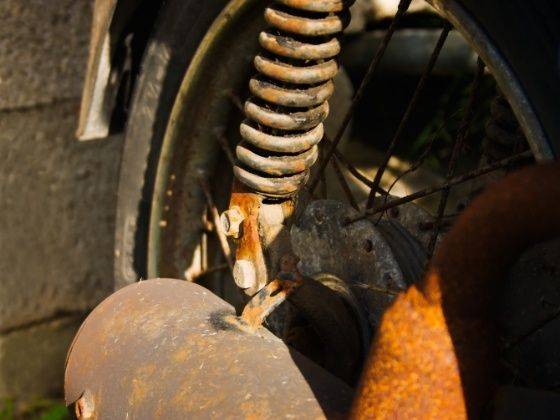
Tips to remove rust from motorcycles


Motorcycle rust treatment


The first step is to prevent rust from forming. Regular cleaning and maintenance should help keep rust at bay. Keeping aside the preachy bit with regard to preventive care, what DIY options do you have if your bike has already developed rust patches?  


1. To begin with, wash the affected areas with a motorcycle shampoo and water to remove surface dirt. Wipe the areas dry using a soft rag. 


2. Scrape the rust off from the more difficult areas using an abrasive material such as steel wool. Once most of the rust has been removed, switch to a less abrasive material such as sandpaper or Scotch Brite. Take care not to rub too vigorously as it may scratch the chrome or, if you aren’t careful enough, erode the body paint. Use a polishing cloth to remove rust from hard to reach spots. 


TIP: An old trick pro bikers recommend is dipping the shiny side of an aluminium foil in Coke or any other cola and then rubbing it on the rusty surface – it works well on small rust patches.


Motorcycle chrome polishing


3. Apply chrome polish to get rid of any surface rust to buff out minor scratches. Once you’re done polishing, apply a coat of wax over the chrome areas to protect it from the elements and prevent rust from forming again.  


Do not try the above suggested methods in case:


1)      It’s a vintage bike you want to restore to its former glory.


2)      If the bike has turned into a pile of rust and needs heavy restoration, in which case you may have to replace certain parts.


In both scenarios, we suggest you get a professional to inspect the rust and fix your bike. 


Motorcycle tyre tread check


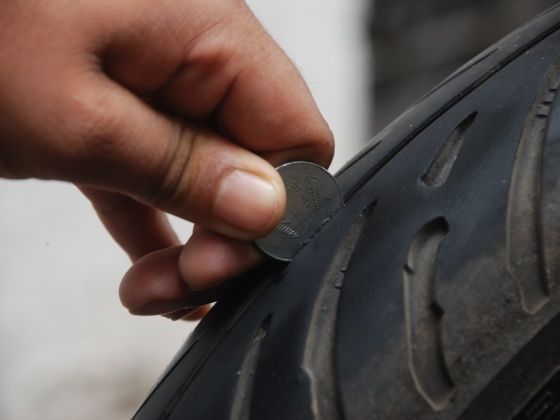
Checking Tyre Tread with one rupee coin


Tyre tread check needs to be done regularly as it indicates the health and grip levels on the tyre plus the tyre's ability to dispense water and increase grip levels when riding on wet roads. To check the condition of the tyre tread, there are tread measuring meters readily available in the market while there is also an easier and home-method method to do the same check:


1. Use the 1 rupee coin to check the health of the tyre tread


2. Place the coin vertically between the treads and hold it firmly so that it is straight


3. If the embossed text ‘rupee’ on the coin is fully visible, it is time to change the tyre


4. Some tyres also come with tread wear markers that tell you when the tyre needs replacement

Tuesday, November 6, 2012

Motorcycle spark plug care


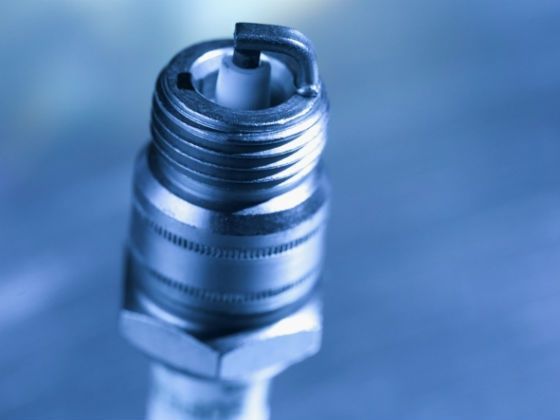
spark plug care main


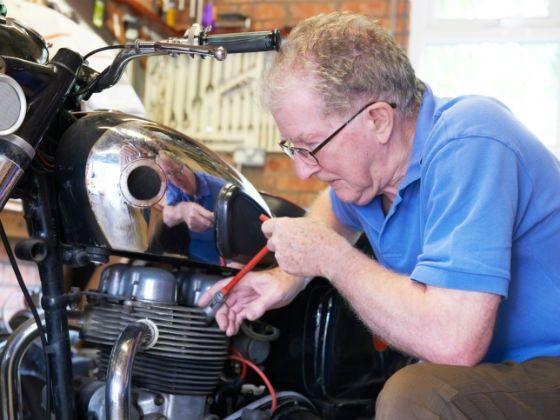
Carry out a spark plug check from time to time to ensure that the engine is running fine and also to know prior about when to the spark plugs if necessary. Cleaning the spark plug of impurities like dirt and grime as well as cleaning the oil residual if any will go a long way in keeping the spark healthy and fine.


Tips:


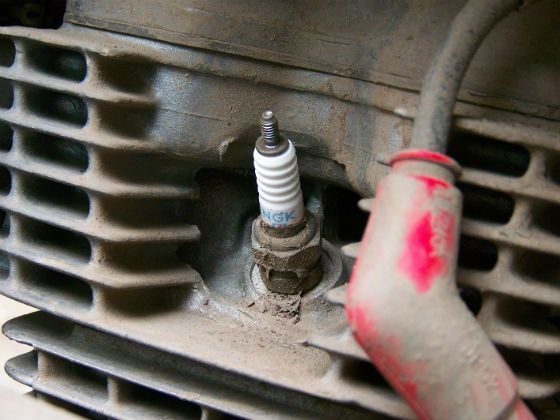
1. Carefully remove the spark plug cap.


spark plug cap


2. Take a clean cloth and tidy up the area around the plug in order to correctly examine the spark plug condition.


spark plug remove


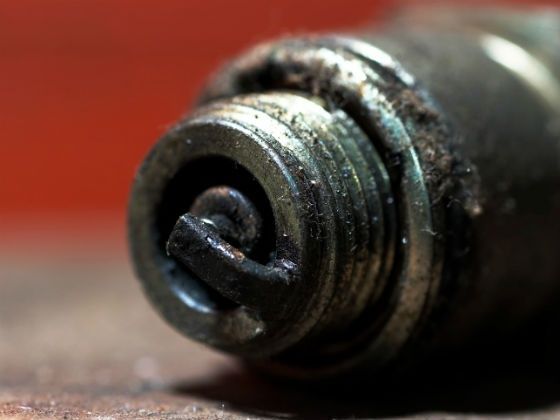
3. Use a spark plug spanner to remove the spark plug and then check the condition of spark plugs. Oil deposits or black crust around the plug tip means the engine is burning at less than perfect condition.


oil residue spark plug


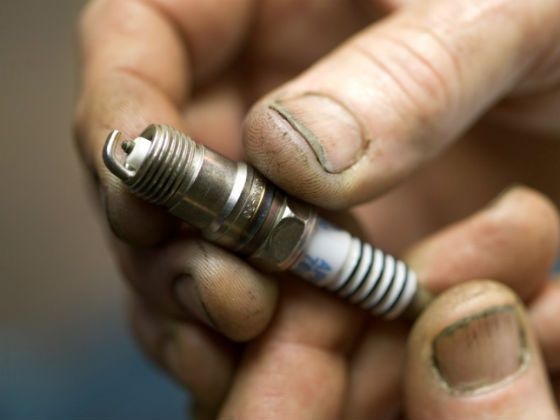
4. To clean the plug, dip it in petrol or kerosene and then give it a clean wipe with a dry and dirt-free cloth.


spark plug deposits


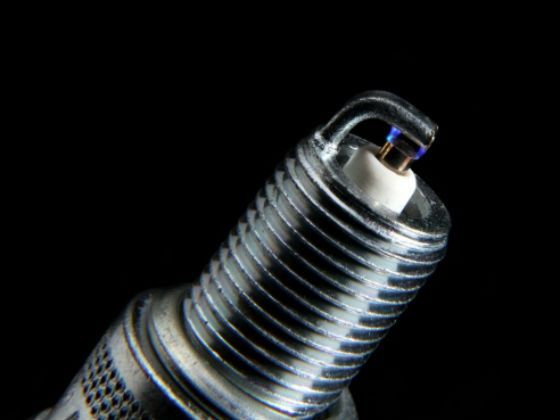
5. Refer to the manual for the correct recommended gap to be maintained between the electrodes. Usually, the electrode gap is 0.8mm to 1.2mm.


clean spark plug


6. After cleaning and thorough check, fit the spark plug back into its position carefully with the help of the spark plug spanner. Remember not to tighten it too much as it can damage the threading and further increase your hassle.


Motorcycle brakes care tips


disc brake care


Disc Brakes:


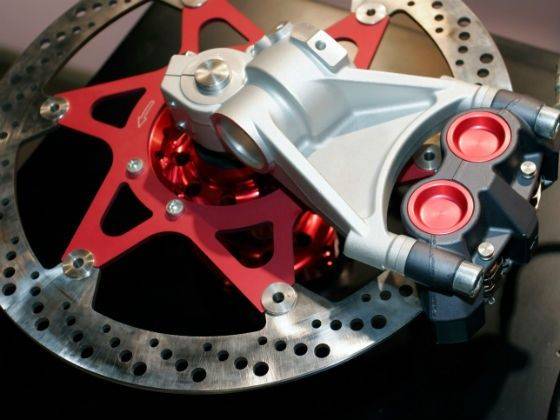
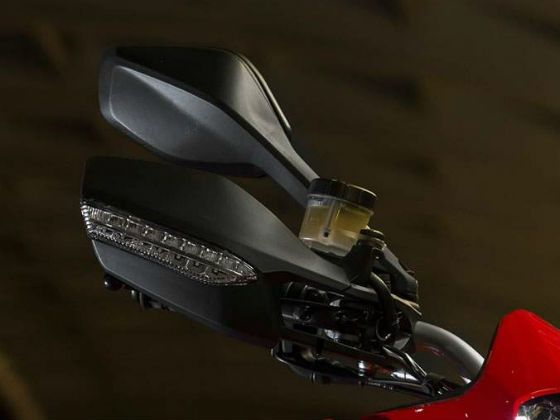
Nowadays most motorcycles feature disc brakes upfront while quite a few also boast of disc brakes for the rear wheel. There are two important checks that need to be undone when taking care of the disc brakes. Firstly, always keep checks on the level of braking fluid remaining in the brake-fluid reservoir. Reservoir for the front disc brake will usually be located on the handlebar while for the rear disc brake it will be tucked behind the right or left hand side heel plate attached to the rider footpeg.


brake oil reservoir


Tips:


1. Make sure the brake fluid is always topped up to the correct level.


2. If not, carefully open the reservoir lid and top up the container with brake fluid. For topping up, open a brand new container of brake fluid as it has a tendency to accumulate moisture over a period of time.


3. Do not let brake fluid drop on the paint or body panels of the motorcycle as it can severely damage these components.


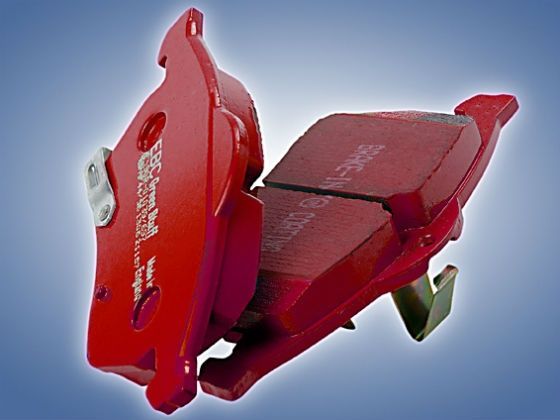
Next check is to make sure the health and wear on brake pads. Brake pads endure a lot of stress and abuse and should be regularly checked from time to time. If you allow the brake pads to be used till the very edge of the material, it will severely damage the disc brake rotor requiring a change of the entire brake assembly, which can turn out to be quite expensive.


disc brake pads


Tips:


1. Regularly check for the brake pad condition and the wear on them.


2. Anything thinner than 3mm means the brake pads require immediate replacement.


3. Do not buy sub-standard brake components as it can prove to be fatal.


drum brake care


Drum Brakes:


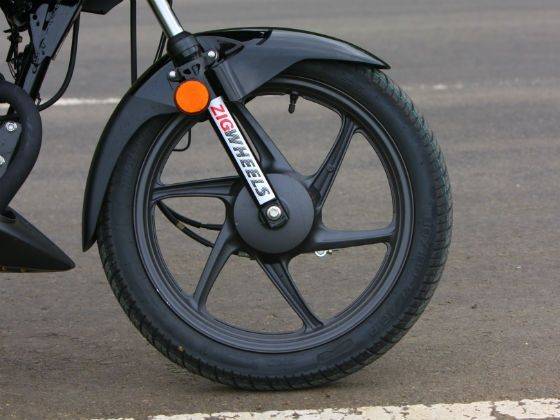
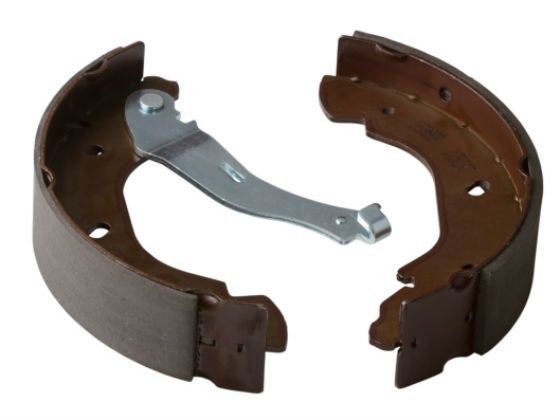
Rather an archaic system, drum brakes are still in use on a lot of motorcycles sold in the country. Drum brakes require frequent attention and are a bit cumbersome to work with. Most drum brakes constitute of a twin leading shoe setup wherein there are two cams on each end of the brake shoe that push both ends onto the brake drum in order to create friction and bring the spinning wheel to a halt.


Usually you will require regularly changing of the brake liners on the brake shoe to ensure you have proper braking power from the drum brakes at all times.


drum brake shoes liners


Tips:


1. Remove the rear wheel and carefully take out the brake shoes.


2. Check for wear on the brake shoe liners thoroughly.


3. Drum brakes tend to accumulate dust and dirt over the brake shoes which too can reduce their overall braking performance.


4. If there is too much muck and grime inside, have it cleaned and fit the brake shoes back into the hub and check if the performance is improved.


5. If the brake liners are worn out, then have them replaced with brand new brake shoes. Use only first quality original parts recommended by the manufacturer.


Monday, November 5, 2012

Bike electrical system care and maintenance tips

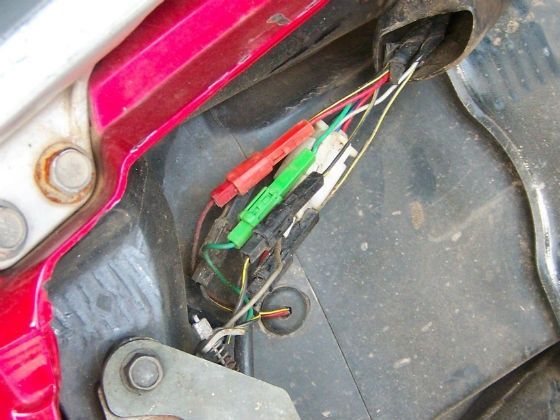
Loose wires should be bundled together


Although most motorcycles have an electrical system that is shielded from the elements, there are still some preventative measures you can take to ensure that your bike has the juice it needs. Staying away from high-pressure washes is the first step. The second is to periodically inspect your bike's wiring harnesses for cracks or tears. 


Electrical wires are the nerves of the bikes electrical system. Ensure that the main cables don’t have a cut or signs of abrasion on them. Replace the worn out wires rather than repairing them, since repairing the wire means the job is only half done. Try to tape the loose wires together in a bunch so that the strength of the wires is increased. Be sure to pay close attention to any wiring that is located near a heat source (like exhaust or the motor) or are exposed to the elements (like those running along your handlebars). 


Trickle charger


Another tip for maintaining your bike's electrical system is to purchase a trickle charger for your battery. 


A trickle charger will slowly charge your battery to the proper level. This slow charge extends your battery life. Also, during the winter it's a good idea to leave your motorcycle battery on your trickle charger so that the batter is continually charging. This is great for those sunny winter days when you just need to go out for a ride. If your battery is charged and your fuel system is stabilized, your bike should start right up and you'll be ready to ride.


NOTE: A battery charger and a trickle charger are two entirely different things. A battery charger that you use to charge your car battery is not the proper way to charge a motorcycle battery.


How to protect your motorcycle's paint


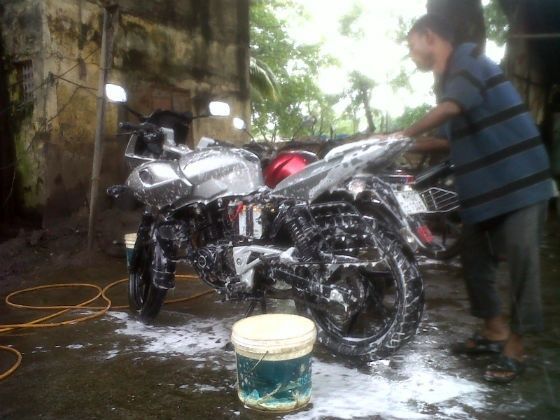
Motorcycle washing for protecting your paint


Keep it clean


The bike is exposed to a lot of element when you ride it through extreme climatic conditions. So what you have on the bike is grime, muck, dust and then some. Make sure the bike is kept clean at all times. If kept dirty for a long time, the said elements can easily scratch the paint and also wear down on the paints shine. A good wash after that long hard ride will definitely do your bike a world of good


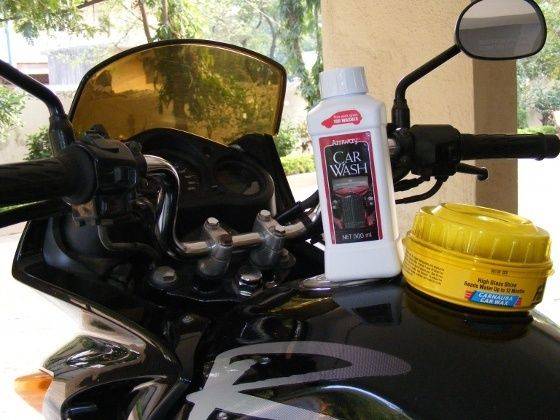
Bike wax polishing


Wax it off


While a wash will clear the dirt off, what you will need is a good polishing job to get the bike to its shining best. A good layer of wax or polish is the best way to protect your paint from the elements. A good polish will make sure that the dust just falls off rather than clinging onto the paint and thereby make cleaning the bike a much easier process. While that takes care of the paint, you also need to look into those matt plastic parts. A good dashboard polish (that one uses for car dashboards) will make sure your matt plastic parts stay in good shape. A good polish session is a must to keep that paint gleaming.


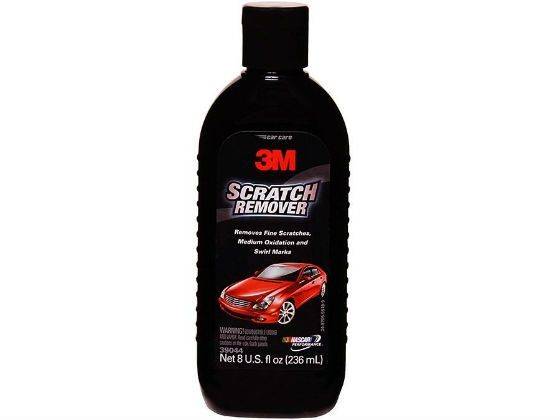
Various scratch removers like work effectively for minor scratches


Don’t scratch your heads for those scratches


No matter what you do, scratches are an inevitable and heart breaking part of every biker’s life. But there are ways to mend those heart breaks and scratches. Various scratch removers work effectively for minor scratches while rubbing compounds will have to be used for the deeper ones. You also get transparent films that you can cut into various shapes and apply it on the bike so that your paint remains protected at all times. 


Cover it up


After that draining wash ‘n’ wax session, leaving your parked bike open to the elements will only put your hard labour to waste. If your bike does not have a stilt or covered parking make sure you have a good quality parking cover. Leaving the bike exposed in the sun will only cause the paint to fade a lot quicker. A good fitting parking cover makes sure your bike is well protected at all times.        


Bike battery maintenance tips

Check fluid level regularly


Top-up:


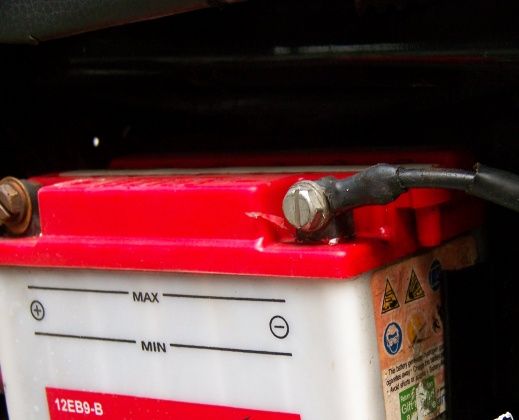
Check the water level every other week. Use the minimum and maximum markers inside the cells as guides. The electrolyte cells of regular motorcycle batteries should be topped up with distilled water and not tap water. Distilled water has no impurities so batteries are not stressed and therefore last longer.


Terminals should be clean


Clean the terminals:


The terminals should be cleaned to prevent corrosion which can cause problems starting the bike. Cleaning regularly prevents the buildup of dirt and sediments. The terminals can be cleaned with the help of a brush.


Loose connections:


The terminals should be cleaned with a brush to prevent corrosion and accumulation of dirt and sediments. 


Replace fuse periodically


Fuse:


Faulty fuses are a common reason for breakdown. Replace old fuse even if it is in working condition. Keep a spare fuse in your tool kit.


Inspect your battery for leaks:


Check battery for leaks. Water can get inside the casing and cause the metal connectors to rust. Leakages should be rectified immediately. 


Additional tips:


Wear gloves for protection from electrolytes while refilling battery with distilled water.


Remove the battery if you are not going to use your bike for a long time. Store the battery on a wooden, plastic or thick cardboard surface.


Motorcycle chain maintenance


motorcycle chain care


Photo Credit: Thinkstock


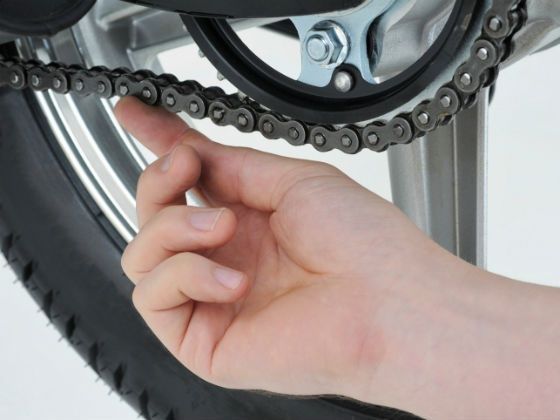
The final drive chain is one of the most critical parts on a motorcycle and it endures a lot of stress and to make it worse, it is left out in the open to face dust, grime, muck and whatever the road throws at it. So even though it is one tough nut to crack, the chain has a certain life span and it needs tender love and care at regular intervals to keep it healthy and to improve its life span. A well-maintained chain also guarantees a healthy set of sprockets which again require regular replacement depending upon the kind of use they undergo.


A badly maintained chain will rapidly eat through a set of sprockets requiring you to change the entire chain sprocket set frequently. There are some simple and efficient methods to keep the chain working fine as well as to make sure that it lasts longer and that it does not wear out the sprockets in lesser period of time than usual. Just stick to the following steps and try to squeeze a few minutes once every week to attend to the chain and it will go a long way in keeping your lovely ride working fine.


Motorcycle chain clean parking


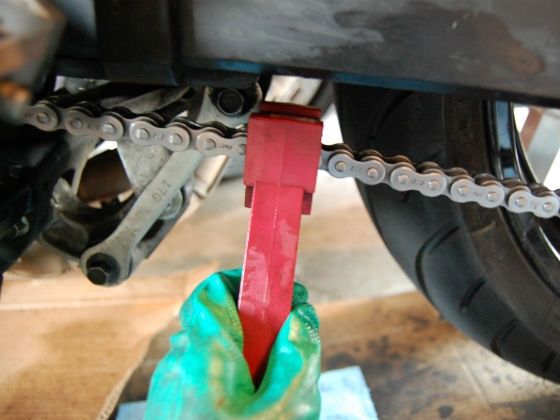
1. Park the motorcycle in a clean place and put it on a main-stand. Incase of no main-stand on the motorcycle – use a paddock stand. Make sure that the rear wheel can rotate freely.


2. DO NOT SWITCH ON THE MOTORCYCLE. Keep the engine switched off at all times. Just slot the gear in neutral so that the rear wheel is free to rotate.


chain clean brush


3. Slowly turn the wheel and give the chain a clean wash with a chain cleaner (there are plenty of them available in the market) or you can also use kerosene or diesel for the purpose.


4. In order to remove small dust and dirt particles attached to the chain, use a hard paintbrush as you rotate the wheel. Do not use fingers to reach tight spots – it could result in severe injury.


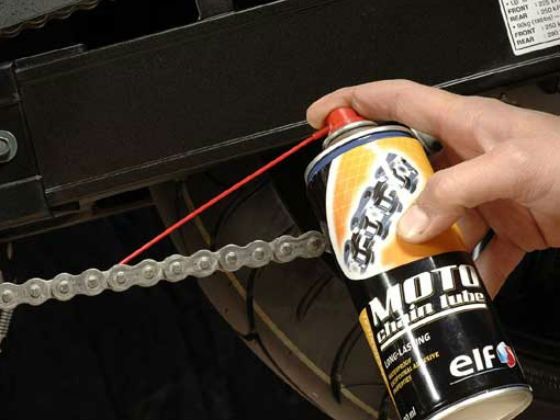
chain care lube


5. Once the cleaning is done, let the chain dry off the excess cleaning liquid. Then start applying the chain lubricant. Do not over-spray the lubricant. Little but regular is how it works for chain maintenance.


Motorcycle air filter care


clean air filter cleaning care


Running on Indian roads, our motorcycles face immense amount of dirt, dust and grime all the time and it in impending to get the bike regularly checked and serviced to keep the parts from getting damaged and spoilt with all the abuse they are put through on regular basis. But get the vehicle serviced for minor care on a weekly basis is not only impractical but also heavy on the wallet. But there are a few basic DIY techniques which insure that the motorcycle runs fine under daily use. One of the most often complaint we get is clogged air-filter on motorcycles.


As the name suggests, an air-filter’s job is too feed the engine with clean air. Which means the air-filter will get clogged with dust and dirt and it will require cleaning at regular intervals. Cleaning the air-filter is a very simple yet effective treatment to ensure that the engine breathes freely at all times. It is an easy task and takes very little effort or time. Dedicate a small part of your Sunday on checking and cleaning the ai0rfilter if required and it will go a long way in keeping your motorcycle healthy.


Simple steps to clean the air-filter on your motorcycle:


1. Remove the body panels or the seat depending upon where the air-filter is located. Refer to the motorcycle’s manual to know the correct placement of the air- filter.


air filter removal


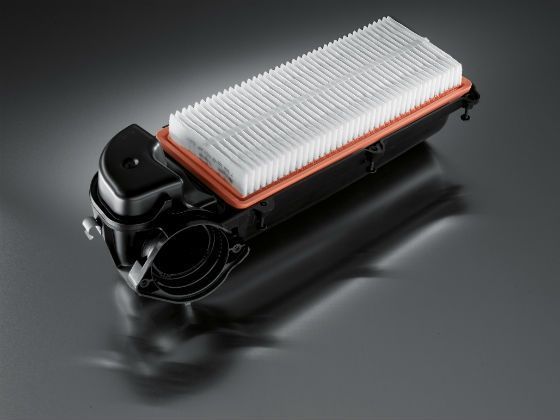
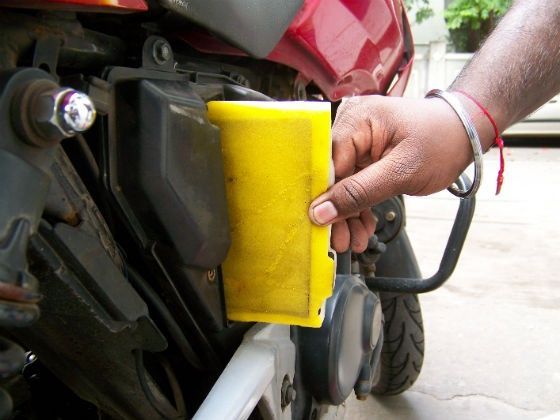
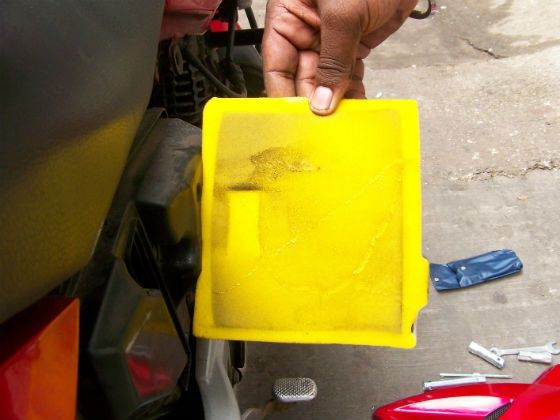
2. Carefully remove the air-filter and then clean the soft foam with air-filter cleaning solution till all the dirt and grime has been removed.


air filter dirty


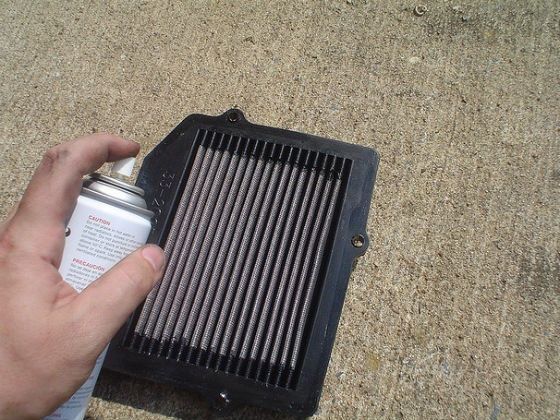
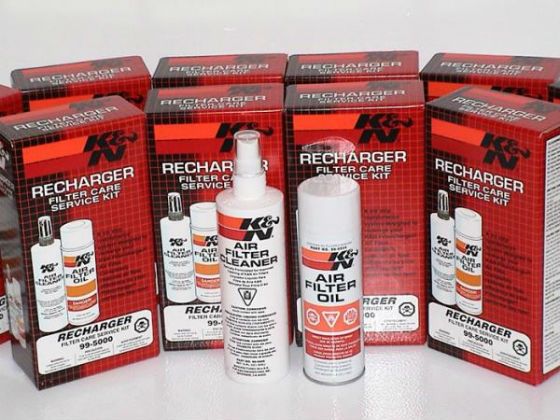
3. After cleaning, soak the air-filter in good quality filter oil that is available in the market and then remove the excess oil from the filter completely.


air filter cleaning spray


4. Once oiled correctly, leave the filter to dry for 10-15 minutes.


air filter oil


5. Fit the filter back into the motorcycle.


6. Do this check on regular intervals depending upon the total mileage covered as well as the concentration of dust and dirt in the environment where the bike is being ridden.


How to repair tubeless and tube tyre punctures


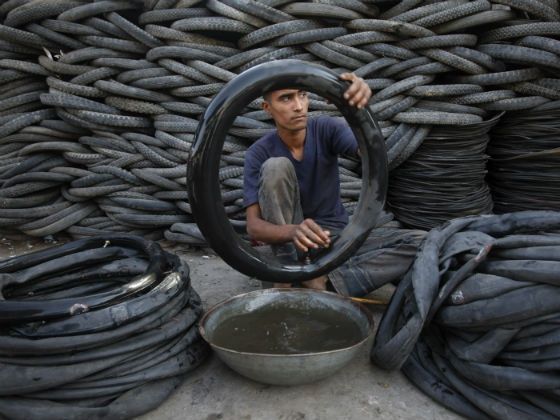
Repairing a punctured tyre

Photo courtesy: Reuters 


Tube tyres


Fixing a puncture can be a tedious and time-consuming task for someone not used to handling such repairs. While finding a puncture repair shop is the most obvious choice, learning to fix a flat can come in handy on a bad day. 


Tools: A wheel nut spanner, tyre iron, pliers, chalk, file, rubber patch, Fevikwik or any other adhesive, a few bricks, foot pump and spare tube.


Step 1:


First check if the rubber has been pierced. If you fail to find a cut or puncture on the tyre, check the tube, as a worn out tube itself may have led to a cut or tear and developed a puncture.


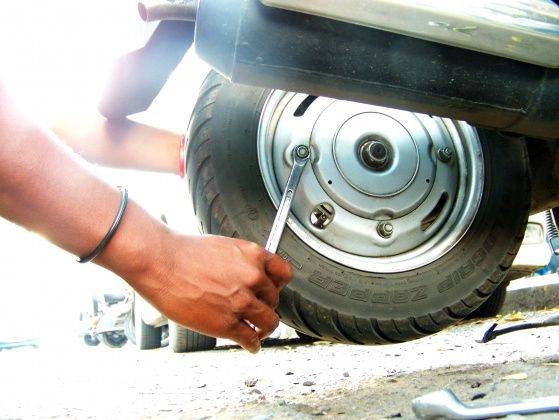
Tube tyre puncture repair, unbolting the wheel nut


Step 2:


Remove the wheel. Use a spanner to unscrew the wheel nut, hit the threaded side of the bolt to remove the bolt and with it the wheel. Place bricks in place of the removed to keep the motorcycle level. This step only applies to motorcycles. In case of scooters, there are multiple nuts that have to be unscrewed and it won’t need bricks to balance the vehicle as well.


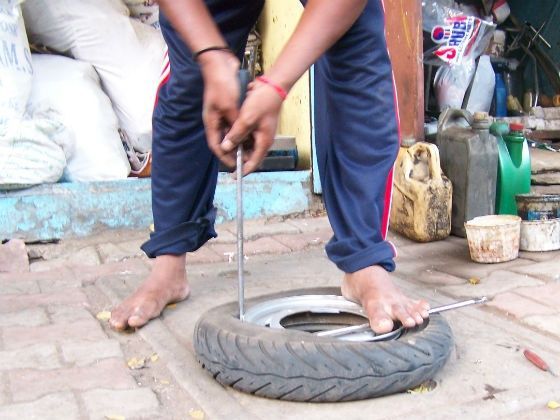
Use the tyre iron to remove the tyre


Step 3:


To remove the tube, remove one side of the tyre from the rim. Use the tyre iron to remove it the tyre from the rim. Slot in the tool at the intersection of the rim and the rubber and gently push the lever and allow the tyre to gradually slide out across the circumference of the rim.


Step 4:


Unbolt the valve and remove the tube from the tyre. Inflate the tube and immerse it in water. Air bubbles will rise from the puncture area. (Always keep a spare tube handy for occasions when you don’t have the necessary things like a tub of water.)


Rub the punctured area with a file


Step 5:


Rub the punctured area with the file to ensure that the adhesive allows the rubber patch to stick properly and the patch doesn’t bulge out of the tube. Use adhesive to stick the rubber patch over the punctured area.


Step 6:


Check if the puncture is sealed by submerging in water. Put the tube back into the tyre. Push the air valve through the hole of the rim and gently push the tube into the tyre. Use the tyre iron to put the tyre back into the rim and put the wheel back. Tighten the wheel nut. 


Tubeless Tyres


Tubeless tyres


Most manufacturers provide tubeless tyres on their motorcycles today as they are easy to mend. Though they can be ridden for a considerable distance when punctured, it is necessary to fix the puncture to prevent further damage. Fixing a puncture on a tubeless tyre is easy as the tyre need not be removed. Here’s how you do it:


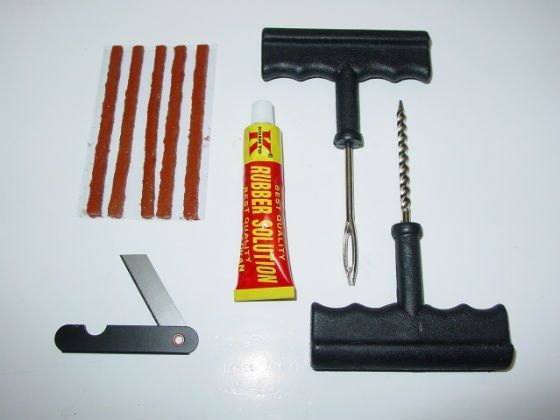
Tubeless Tyre puncture repair kit


Tools you need: To fix a puncture on a tubeless tyre you need a special kit that includes pliers, a smoothening tool, puncture repair strips, puncture strip insertion tool and a knife/blade.


Step 1:


First identify the location of the puncture. Check the tyre for a nail, screw or sharp stone that has pierced the rubber.


Step 2:


Remove the object that has ruptured the tyre with the pliers.


Step 3:


Insert the smoothening tool into the puncture hole to ensure that it is large enough to insert the puncture repair strip into. Leave the tool inside the punctured area.


Step 4:


Insert the puncture repair strip halfway into the puncture strip insertion tool like threading a needle.


Step 5:


Use the puncture repair insertion tool to push the puncture strip inside. Use the smoothening tool as well. Gradually pull out the smoothening tool as you insert the puncture strip till about a millimetre of it is above the tyre.


Step 6:


If the strip is protruding too much, trim it with a knife. The puncture is fixed.


Motorcycle headlight and horn care

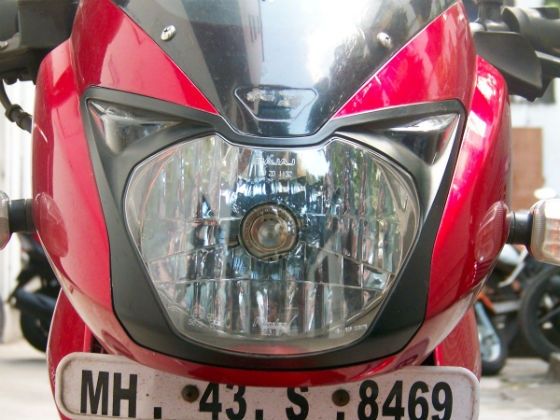
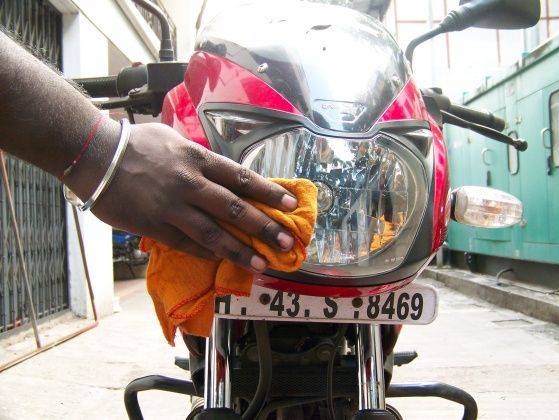
Wipe the headlights


A headlight is one of the most critical parts of a motorcycle though its maintenance is often overlooked, mostly because of the minimal care it requires. A properly functioning headlamp offering decent throw goes a long way in ensuring safety during nighttime riding. Regularly inspecting its brightness and effectiveness can help improve your ridability at nights by a huge margin. Of course, headlights aren’t the only lamps on our bikes that need to be in proper working order. Check the taillights, turn indicators, and any other points of illumination on your two-wheeler to make sure everything’s nice and bright.


Clean:


Give the headlight, indicators and taillights a quick wipe before you start your bike. It only takes a few minutes and helps improve the effectiveness of the lights. Clean headlights can help you see better while clean indicators and tail lights greatly enhance your visiblity to fellow motorists. 


Lenses should be clear


Check Your Lenses:


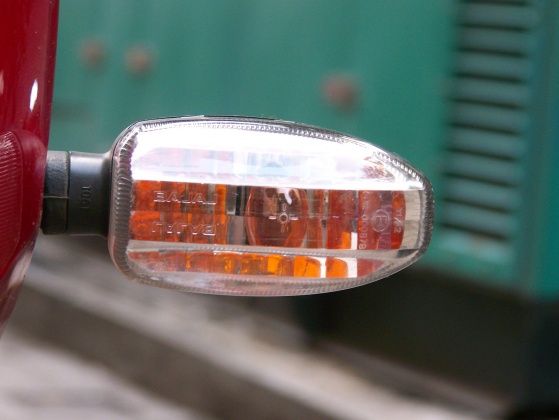
The first thing to do when checking headlights is to inspect the lenses: Are they crystal clear, or do you see some fogginess and yellowing? Headlight lenses tend to become cloudy over prolonged usage and diffuse the beams of your headlights, which not only impairs your visibility, but makes you harder to see too! The above is applicable for turn indicators and brake lights, too.


Indicators should be clear and bright


Check for Focus:


When you’re checking for brightness, you’ll also want to consider if the beam is aimed well. If one finds the brightness of the lights inadequate, replace the bulbs with more powerful ones. Ensure the beam spread on low beam is as far as possible, so that the range of your visibility gets increased. Potholes are a common cause of misaligned headlights: ask your mechanic to adjust them during the servicing of your bike. If your indicators are cracked, replace them rather than taping them.


Horn should be loud and clear


Horn:


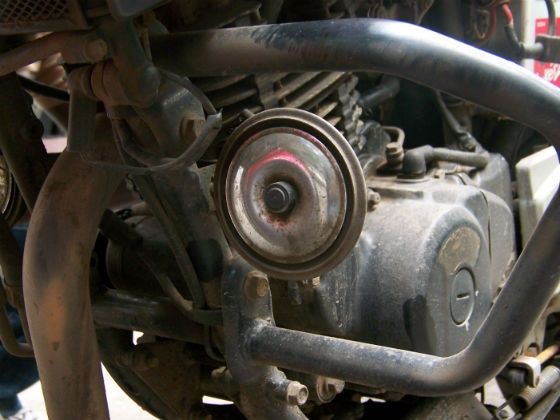
A horn is one of the most vital parts of our daily commute considering the heavy traffic we face. Check whether it’s sounding properly or not; see if the wires connecting to the horn are in proper condition. Check the fuse because a faulty fuse is one of the most common reasons for defective horns. A weak horn is as good as a defective horn; replace it the moment it loses its loudness. Wipe the horn with a dry cloth regularly because dust and rust tend to reduce its life considerably.


Popular Posts

Popular Posts

Popular Posts