 | $41.96 End Date: Monday Jul-1-2019 9:01:46 PDT Buy It Now for only: $41.96 Buy It Now | Add to watch list |
Friday, June 27, 2014
For Mercedes W203 C230 Chrysler Crossfire Rear Disc Brake Pad Set Brembo P50025N
Brembo Front Disc Brake Pad Set for Volvo 286 or 305mm Rotor S60 S80 V70 XC70
 | $49.96 End Date: Tuesday Aug-27-2019 7:11:19 PDT Buy It Now for only: $49.96 Buy It Now | Add to watch list |
Windscreen Wipers care
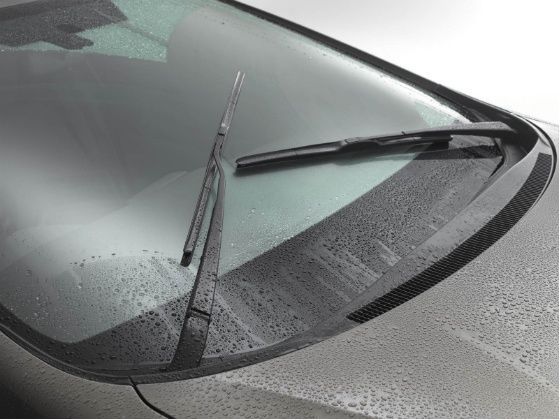
Wiper blades are one of the most important parts of your vehicle. Essentially, two pieces of rubber mounted on two arms are all that keep your windscreen clean and your vision unhindered from dust, water and in bad weather. But, in spite of this, many car owners pay little or no attention to these essential components thereby unknowingly putting themselves and motorists around them at risk. For one to have good vision while driving on the road, wiper blades have to be operating well. You should be able to navigate in bad weather conditions such as heavy rain, fog, or snow, but this is only possible if your wiper blades are well-kept and checked frequently. Here are a few tips on what you can do to keep your wiper blades in their best shape.
1. Physically check the wipers
First, make sure the arms of the wipers are as tight as possible. This will ensure that the blades are not loose and the surface of the windshield can be cleaned at ease. If loose, check if the wiper arm is loose or if it is just the blade. Loose wiper arms can generally be tightened by a standard 10mm wrench.
2. Adjust the Wiper Blades
If you have tightened the arms of your car’s wipers but still have a dirty windshield, you may need to adjust the wiper blades, making sure they are in full contact with the windshield. This will allow them to clean as much surface area as possible when they are in operation. Also remember to adjust the wiper angle so that they give you the maximum sweep angle possible so as to give you the maximum clean area possible.
3. Clean your wiper blades
Although one can usually clean your wiper blades using a wet cloth and a bit of soap, maintaining a clean wiper is more difficult. The best way to do that is to add a tablespoon of liquid soap in your windscreen washer fluid reservoir, especially during the rains. The soap will not only clean sludge better than what water can but also create a micro film that will keep particulates of dirt away.
4. Wiper maintenance in the summer
Harmful UV rays and an Indian summer’s heat can cause havoc on your wiper’s rubber blades. The best way to protect them is to keep your wipers in a freezer or a fridge. This protects the rubber at a molecular level and will keep your blades fresh for the monsoon.
5. Upgrade your wiper blades
There are two types of blades available on the market today. The conventional setup, with a metal spring arm and a thin blade of rubber has been used since the invention of the wiper in 1903. The newer beam blades, introduced in early 2000 are costlier than a conventional one but way more effective. These blades are more durable, do the work better while being less noisy than the conventional ones. It would be advisable to switch to the beam blades if you do not mind the price. Apart from doing their job well, they also look very good, especially on modern cars.
Windscreen and Window care

Taking good care of your car means that you need to take care of every part of your car, including your windscreen and windows. Not taking care of this particular part of your car can lead to a number of problems which include reduced safety and increased expenses due to the need for car windshield repair or replacement. To avoid these, careful windscreen and window maintenance and care is indeed needed.
Park your car in a sheltered environment
Like with everything, prevention is better than cure. People tend to forget that when they park their car in the open, things can fall on their windscreen causing avoidable damage. Park away from buildings, especially in India where people have the nasty habit of throwing little things out the window. Also, in costal areas around the country, remember to never park under a coconut tree, especially during the monsoon season.
Drive at a safe distance
Staying too close to the car in front of you can result in small stones and pebbles or other similar projectiles flung by the tyres of these cars to hit your windshield. Items being thrown out carelessly by the occupants in the cars (as we see commonly in India) ahead of you can also cause damage to your windshield, so staying a reasonably safe distance away is a good idea.
Make sure your wipers are in good condition
Using damaged windscreen wipers or those that are seldom cleaned can result in deep scratches into your glass. Always ensure that your wipers are in good condition (especially in the monsoons) and are clean before you set off on your journey. Also remember to never use your wipers when the windscreen is dry. Always use your windscreen washers to wet the surface of the glass before using your wipers. It is also a good idea to add just a small amount of shampoo or soap solution into your windscreen washer fluid container so as to give the wipers a smoother and less friction prone surface.
Clean off stubborn stains by hand
The best way to clean a windscreen or any auto window is with wet newspaper. Not only does this ensure all the tough grime and insect stains are removed, they also act as a pseudo polishing paper ensuring the windscreen becomes as clean as possible. After a generous scrubbing, make sure you wipe off the water either with your clean wipers or with dry newspaper.
Don’t slam your car’s doors
You do not need to slam your car doors to close them. Gently closing them is enough. Slamming can cause your windows and windshields to vibrate, which may result in cracks or chips. Constantly slamming your doors will also cause these cracks to expand, making the need for new side windows or a new windscreen.
Park your car in the shade
India’s extreme heat in the day and relatively cooler temperatures in the night can cause micro cracks in the windscreen and windows. In summer month, especially in cities like Delhi, it is advised that one keeps their windows slightly open so that the heat gets a chance to escape. Too much heat can cause the small cracks to expand and result in irreparable damage
Efficient Aerodynamics

Imagine crashing your car into a block of concrete… What would happen? Depending on your speed, the car would get damaged and maybe even you might find it hard to get out of the crash unhurt. That’s because the concrete block is resistance to a car moving forward. Now replace the concrete with air. When you drive through air, the air provides resistance as well. Much less, but it does and it goes up as your speed increases. The faster you go the more power is required to wade through wind and the resistance this wind provides affects the fuel efficiency of your vehicle.
The science of aerodynamics studies how a car performs when subject to wind resistance and helps analyse and change a car’s design to make it more streamlined. Lesser the resistance, lesser the consumption. As weight of cars began to increase, the need to make them more ‘slippery’ started taking importance. There are few things you can keep in mind while purchasing a new car to ensure you have a car that’s the most aerodynamic for your budget.
Drag Coefficient
First and foremost, find out the car’s coefficient of drag (Commonly denoted as Cd). The lowest score is the most aerodynamic car. A Volkswagen XL1 has a drag coefficient of 0.186, a BMW i8 scores 0.26 Cd while a Hummer H2 had a drag coefficient of 0.57. Clearly a body style changes a lot, large bulky SUVs offer more resistance and hence are not as efficient. Most manufacturers provide these numbers.
Windows
Drive with the windows rolled up. Air gets into the cabin and works like a massive resistant similar to a deployed parachute. Rolled up windows seal the surface of a car like a cocoon, reducing the amount of drag. Rolling up your windows and turning on the air conditioning can consume lesser fuel than driving with the air-con off and the windows down.
Body style
This isn’t as clear cut a way to find a car with low Cd as it might seem. Of course an SUV or an MPV will have more drag than a sport car but between cars in the same segment, it is hard to spot the more efficient one. You can look for clues like vertical panels and anything that can act as strong wind barriers. Next have a look at panel gaps. Large gaps are bad as they end up disturbing air flow along the surface of a car.
Body parts
One is reducing resistance for economy and next is helping guide air along the surface of a car. Parts like air dams, diffusers, shapely mirrors and a rear wing can all help make a car more slippery to air and improve high speed stability. Most mass market cars don’t have these as they add to the cost of a car and are more effective in cars that pack a lot of power and speed.
Weight reduction
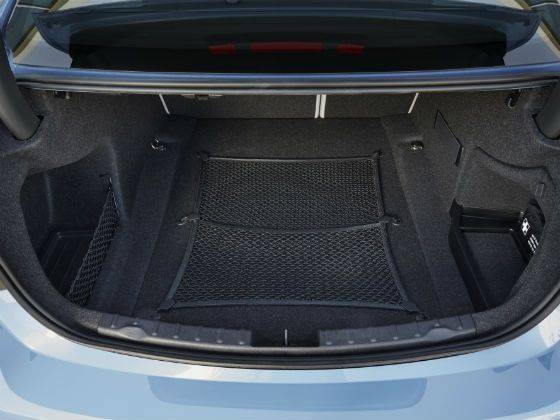
Weight of cars has gone up in the past few years since focus has shifted on adding more equipment to a car on the safety, comfort and entertainment front. Cars are no more just the machine with seats and a music system. And so to rid yourself of the only constant that will stay with you once your purchase, is to purchase a light car.
Don’t accessorise
Well not literally. Adding a rear view camera or some chrome plating on the mirrors will not affect you much. But adding roof rails or a luggage rack, a bull bar or extra plastic cladding will increase the fuel consumption of your car. At times, a luggage rack can be useful but it affects safety so avoid adding it to your car. These accessories also increase drag in addition to adding weight creating a twin impact on your gas guzzling rate.
A clean boot
The boot of a car is the most neglected part. It rarely ever gets cleaned and most of the things you don’t need is dumped there for eternity. Bags, bottles, car covers, oil cans, the list is endless. More often than not, you will find these lying in your boot. Keep adding more objects and collectively your car’s fuel efficiency takes a hit. Clean it all up unless you use them regularly. Don’t take the spare wheel out or the car’s tools as they are required in an emergency. In addition to your clean boot, take junk out of door pockets and seat back pockets.
Alloy wheels
Get your car a set of alloy wheels. The benefits are twofold – first they look better giving your car a premium look and better resale value and second they are lighter and stronger than steel wheels. For better economy, a lighter car is obviously better.
Don’t overload
Most small cars are meant to carry four passengers in comfort, some can fit in five and larger cars vary from 5-7 if the vehicle has a third row of seats. But being India, we tend to squeeze in an extra person or two when the need arises. Not only is this illegal but also dangerous and detrimental to the car’s engine and economy. You tend to strain the engine to carry this extra load and the added weight makes the car consume more fuel.
Just keeping the car clean of junk, adding a set of alloys and not loading it over the prescribed limit can ensure an efficient car that stays true to its expected rate of efficiency.
Start-Stop Systems
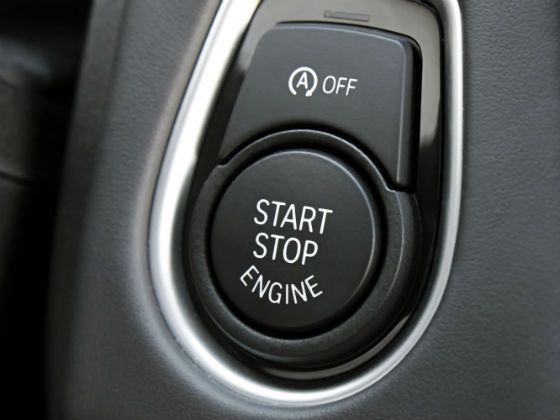
Unnecessary idling consumes a lot of fuel. You have read this in our Fuel Efficiency Guide already. To prevent that, you need to turn off the car every time you stop and that can be a very cumbersome affair if you have to do it on a daily basis. You can do away with that if you plan correctly while purchasing your new car.
A few cars these days come with automatic start-stop systems. While in India it isn’t a very popular feature yet, this shouldn’t take too long to catch up considering our very fuel economy conscious motorists. What do start stop systems do to save fuel though… Read on.
A start stop system cuts fuel to the engine and stops the spark plug every time you come to a halt. When you press the clutch or brake, the ECU reopens the fuel supply to the cylinders and allows the spark plug to ignite this fuel. Most cars equipped with start stop systems also give you the option of turning the system off. This is especially useful in crawling traffic when you cannot afford the time taken to restart the engine.
Most stop-start systems are available in automatics as the gearbox automatically gets the car to neutral. In manual gearboxes, you need to slot into neutral and release the clutch for the start stop system to activate. The system does not work when the car is in motion.
Since you cannot stop the air conditioning and the entertainment system every time you stop, a car with a start-stop system needs to have a larger more capable battery to handle other systems when the ignition is turned off. A larger battery to take care of these functions helps these cars qualify as a mild hybrid or micro hybrid. When the car is stationary, the battery works to keep all functions of the car running while the engine is off and when the car is in motion, the battery gets recharged. Start Stop systems also take a toll on your spark plugs because of the constant starting. The quality of spark plugs in cars equipped with start stop systems as a result need to be of better quality compared to conventional variants.
Using a start-stop system certainly improves your green credentials. Not only are you reducing pollutants by turning off the car, you are also saving fuel. For someone who is concerned about the environment and cannot afford an electric or a hybrid car, a car equipped with a start stop system is a good way to contribute. Don’t expect fuel savings as much as you get from proper hybrids but it is definitely more than a drop in the ocean. Following more fuel saving techniques will cumulatively help you save fuel.
Reducing drag
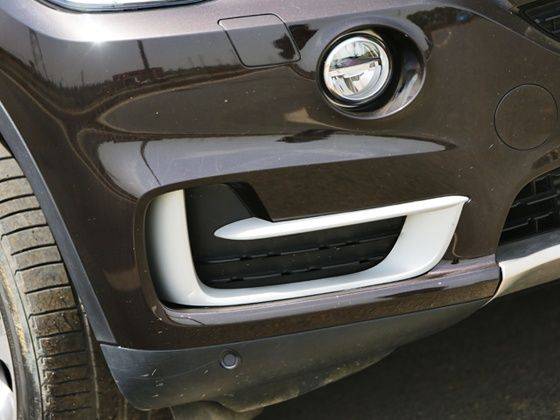
A car with efficient aerodynamics can save you a lot of fuel. Once you purchase your car based on its drag coefficient, you expect it to perform true to its aerodynamic properties, both on the economy front and on the performance front but there are times when it doesn’t.
Why is that?
Avoid exterior add-ons
We Indians love accessorising our cars to make them look macho. Things like bull bars, roof rails and rear wings are quite popular in India. While these add-ons might add to the aesthetics of a car, they contribute to drag by disrupting smooth air flow along the surface of a car. In addition to disrupting air flow, they add to weight of the car. The added weight and wind resistance reduces fuel economy of a car to a large extent.
While the rear wing in a few cases (super cars mostly) function as an aerodynamic element, on most production cars, it’s an unnecessary add-on. The rear wing prevents lift and channels air smoothly out the back of a car. This only comes into use as speeds go up though when the wing assists stability and braking performance. On public roads, if your wing is having a positive impact on the car, you are most definitely driving much faster than legal limits.
Denting & Painting
A car gets a rounded shape for a reason. So wind can flow over the body without much resistance. A dented bumper or body panel disrupts air and creates an unwelcome channel of air that increases drag. More drag means lesser fuel economy so keep your car scratch free. If you get into a scrap with another car, make sure you change the dented parts soon. If there is a loose hanging part, tie it or tape it till you get it fixed. It will not only improve fuel economy but also avoid a potential hazard to other motorists if the part was to fall apart. Fastening a loose part should be given immediate attention.
Paint on new cars lasts a long time. Gone are the days when you see chipped paint in a few years time. But if it does, an uneven panel can create drag. Especially when you get into an accident, the part of contact invariably loses its paint. A small patch will not increase drag by much do you don’t need to bother about it except for the aesthetics, but a badly painted surface that has bubbles or chipped parts should be repainted. Get your car repainted in a dust free paint booth. Most authorized workshops of car manufacturers are equipped with these.
Make friends with the wind and you will be the fastest and most efficient car around.
Optimising steering input
The shortest distance from one point to another is a straight line. Obviously then, you have to drive theoretically in a straight line to reach your destination for the least amount of fuel to be consumed. But in the real world, this is not possible due to topography and town planning of a region. That’s why cars have a steering wheel.
Steering
Unlike motorsport, where you take the shortest route possible through a corner, known as straightening a corner, on public roads, following lanes is necessary, even if it is the longer way round a turn. That means you are already driving a longer route by default. But when you are driving, try not to make too many unnecessary directional changes as the distance between your intended point of arrival increases. Moreover, when you are steering, more power is required compared to when you are driving in a straight line. It also wears off your tyres faster so you need to keep that in mind as well. By putting only the required amount of steering input, you will begin driving smoother resulting in better fuel efficiency.
An aggressive driving style that involves a lot of overtaking and lane changing is detrimental to fuel efficiency. Not only are you driving faster, you are also driving longer. Sticking to a lane can save you money and will reduce your effort while driving, especially in peak hour traffic. It might take a bit longer so you need to calculate if it’s worth adopting an aggressive driving style or an efficient one.
Without going into the physics of it, linear acceleration requires lesser force than directional acceleration. You are using lesser energy in a straight line compared to when you are turning because the distance is shorter. Reduce steering to only the required amount and you will be saving fuel.
Navigation
Invest is a good satellite navigation system. Sat-navs not only give you the best route to a destination but also the shortest and the longest route based on time and distance. It also helps you from getting lost or taking the wrong turn, both costing you time and money. There has been a long debate on the accuracy of navigation systems in India but be rest assured, having one is better. Especially in major cities around the country, these systems are accurate enough.
On the whole, minimising your steering input is a good way to save fuel. And investing in a navigation system will assist you in that as the chances of you getting lost and driving that extra mile or two to find your destination will be reduced. Steer when you need to; it’s a good habit that saves you fuel and the resulting smoothness will be appreciated by your passengers as well.
Alloy Wheel care
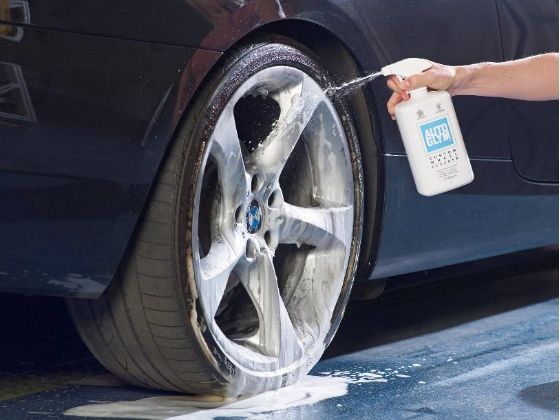
A good set of wheels can make a huge difference to how your car looks. In fact many people choose alloy wheels and aftermarket wheels for the sole reason of making their car look a little better. Apart from the aesthetic advantages, there is a major difference between steel wheels and alloy wheels, which have implications for durability and performance. While most sub Rs 10 lakh cars in India today still come with steel wheels in their lower end variants, most manufacturers offer an alloy wheel upgrade or a model with them as standard fitments. Here are some tips on how to keep your wheels shiny and clean.
1. Wash regularly
A set of dirty wheels, especially alloy wheels, is a sheer put-off. Make sure you wash your wheels everyday to prevent brake dust and dirt buildup. One will often find front wheels to be much dirtier than the rear ones. This is primarily due to brake dust from the front discs sticking on the wheels. This brake dust, if not washed off every few days can cause damage to the wheel’s finish in the long run.
Also remember to wash each wheel individually either on or off the car to ensure the best results. Eash wheel should be washed with a warm water and detergent solution for the best results. Remember to use a soft cloth and never a harsh brush to wash your wheels since it might leave scratches on the surface. Use a bug and tar remover is necessary to remove harsher residues.
Never use hot steam cleaning, as this can also damage the finish on your wheels. Similarly, never clean your wheels when they are still hot from driving as the water will evaporate too quickly leaving soap streaking. Washing when the wheels are hot can also lead to rapid cooling in the metal, which in turn might effect the wheel’s life. Use a different sponge on your wheels to the one you use on your car’s bodywork since dirt and grime on your wheel may harm your car’s paint.
Another way of protecting a new set of wheels is to apply a layer of wax or an extra coat of clear on the wheel before installing the tyre. This, apart from protecting the wheel will also ensure a layer of defence against mud, grime and dirt in general.
2. Avoid scraping the wheels on the kerb
Once you have a set of new wheels, it is strongly advised to stay away from the kerb at all costs. Alloy wheels usually have a very low level of resistance against kerb contact and the smallest of contact can result in chipping or scratching your wheels. In recent years, there have been inserts one can buy that form a layer of defence against kerbing. That said, it is still advisable to be careful and avoid mistaken contact.
Following these simple tips will maintain the appearance of your car’s wheels as well as assist them in lasting longer. Since high-end wheels are often quite expensive and can be a highly personal statement that the owner makes, it is worth spending a little extra time on cleaning them. Just like the rest of your car, treat your wheels with respect, and they will continue to look great for a long time regardless of whether they are alloy wheels or steel rims.
Seatbelt Maintenance

Seatbelts in its modern form have gone through a lot of initial development. Volvo was the first manufacturer to offer seatbelts as a part of standard equipment in all their cars in 1955 and were soon followed by other manufacturers globally. In India, a provision to fit seatbelts became compulsory in 1991 and factory fitted seatbelts for the front seats became compulsory in 1995. Today, seatbelts are a compulsory fitment for all front-facing seats in any car sold in India. A seatbelt’s maintenance though is something we take for granted, as they are not known to go wrong. Here are some tips that will help you keep your car’s seatbelts in top shape.
1. Cleaning seatbelts
If by chance you do spill something on your seatbelts and it leaves a stain, use mild soap and warm water when cleaning spills from the seatbelts. Do not use a strong detergent, bleach or dye, since these caustic fluids may weaken the belt's material and affect the seatbelts basic integrity. A dirty seatbelt apart from being weaker due to gradual disintegration of the seatbelt material also looks dirty especially if the seatbelt is a shade of beige or brown.
2. Keep the buckle areas clear
Keep the buckle area clean and dry. Foreign particulates, dust and liquids can clog up the buckles and prevent them from doing their jobs properly. Also remember to squirt a dab of WD40 into your seatbelt buckles to keep them smooth and rust free. Older cars are prone to seatbelt holder failures due to fault springs inside the buckle assembly. If your car faces this issue, replace the buckles from an authorised service centre.
3. Replace your seatbelt if damaged or worn
Seatbelts are not something you would want to take a chance with. If you find the stitching on the seatbelt to be coming off or the seatbelt itself facing wear issues, it is best to replace them as soon as possible. By design, seatbelts cannot be repaired. If they are damaged, especially if bits that hold integral parts like the loops that hold the buckle (which also act as a force limiter) are showing signs of stretching, it is best to change them as soon as possible. Remember to get them replaced only by an authorised service centre as the bolt used to fasten a seatbelt assembly to the body of your car and the torque to be applied on that bolt are very specific and are best left to professionals.
Although it is advisable to use only company provided seatbelts, aftermarket race seatbelts and harnesses can also be used for specialty applications. For motorsport uses, a 4-point/5-point/7-point harness is usually compulsory. It is essential that the mounting points for these belts are on a separate bolt on the body structure or on a roll cage type structure. Remember to always use Federation Internationale de l'Automobile (FIA) approved seatbelts from manufacturers like Sparco, Recaro, Sabelt, Simpson, etc. for motor sport applications.
Basic Seat care
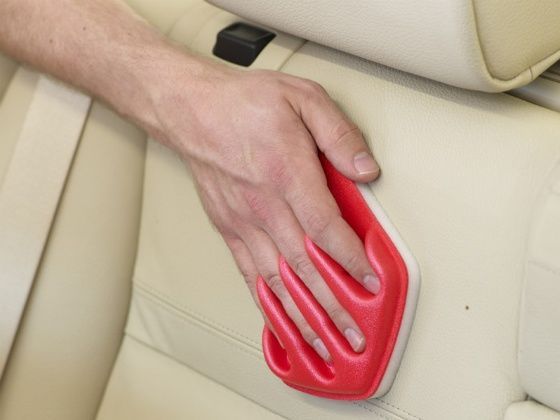
Your seats are what connect you to your car. Most drivers, especially in India have no idea on how to position their seats for an ideal driving position. That said, a set of dirty seats, is not only a put off for your passengers but can also lead to one getting lower resale value when you want to sell you car. Here are some tips that can help you bring the shine back in your car’s seats.
Do not eat or drink in your car
Spilling a can of cola or a dollop of ketchup is a sure shot way of ruining your car’s interiors. As with most things in life, the best way to avoid this is by not eating or drinking in your car. Although most people would find this unreasonable, not eating in your car can also help you in many other ways. For example, crumbs falling off your favourite sandwich can attract both rodents and insects like ants and cockroaches, which can in turn lead to more headaches in the long term.
Use foam based cleaner to clean stains
Using heavy detergents on your fabric seats will most probably end up ruining them. The best thing one can do is used a speciality foam based cleaner to clean the seats. Spray the dirty spot on the seats with the cleaner and rub vigorously for a minute or two till the stain disappears. Wipe the spot thoroughly with a clean and dry soft cloth till the surface feels dry. You can clean your whole car’s upholstery the same way, area by area till you get satisfactory results. If you don’t have access to foam based speciality cleaners, a spoonful of mild detergent mixed with warm water can also give satisfactory results. Remember to always squeeze out as much water from the cloth as possible before starting the cleaning process.
Leather is more delicate than fabric
Although a leather interior may look clean and crisp when new and clean, a neglected leather interior looks (and smells) nasty. Leather though is much more delicate than fabric and needs special care. It is best to use a good product specially formulated for cleaning leather seats. Some leather care products make the leather more shiny or slippery. Other products can make it sticky or tacky, so before using it, test a product in a small area to see if you like it. Don't use paper towels on leather, they can leave scratches; use a soft clean cotton towel instead. Start with vacuuming leather seat crevices with the soft brush attachment, but be careful, as the vacuum hose can easily scratch the leather. Spray some leather cleaner agent on the soft clean cotton towel and wipe the seat gently, reaching into crevices and around the edges.
Leather wrapped steering wheels and gear knobs should never be cleaned with the same agent used to clean seats, as they can get slippery or sticky. The best thing to do is to clean them with a slightly damp soft cloth thoroughly to remove any dust, dirt or fungal growth from them.
Car Polishing Tips
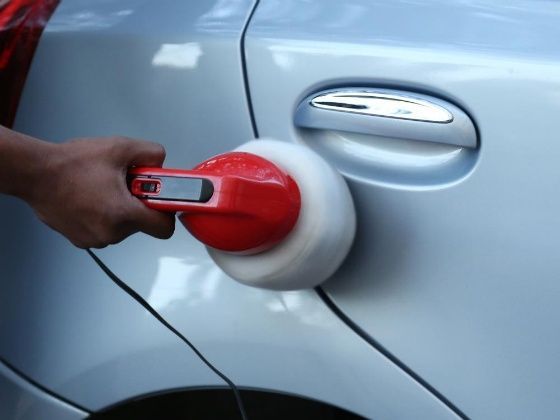
We all love the way our cars looked when they came out fresh from the showroom. The smooth paint finish without blemishes, scratches or stains made us feel happy and proud. One can keep the car is similar state for a long time by caring for it correctly. And, it’s never too late to start caring, for polishing alone can get rid of most paint imperfections, scratches and stains. Although polishing is best left to the experts, you too can try your hand at polishing your own car at home. Here are some tips and techniques to remember while polishing your car.
Wash your car well first. Make sure all bird dirt stains and remnants are removed as much as possible. Make sure your car is clear of all tar and much stains. Make sure you use some sort of automotive-based shampoo or cleaner in the water so as to give the best finish possible. After washing the car, do not dry it off.
If you are using a polish wheel, make sure your car is in an isolated space. The splatters from using a wheel are messy and can cause stains on walls or other cars around you. Place a new, clean and very slightly damp pad on the polishing wheel and apply a moderate amount of compound on one body panel. Spread the polish with the wheel, using medium speed. The key is to keep the spinning polishing pad parallel to the car’s surface to avoid swirl marks.
Applying constant pressure and working back and forth over the entire surface of the panel is the key to a good polished surface. As the clear coat heats up and the paint becomes warm to the touch, scratches that are not very deep will begin slowly to disappear. When the compound and water are thrown aside and absorbed by the foam pad, the brightened finish will become visible. Remember to periodically wash the swirl pad to prevent it from becoming saturated with the polish compound.
Once you have done this across your car’s surface, wash the car all over again with water. Use a new and soft towel to wipe the water off the car before you move on to the next step. It is essential to make sure all the polish remnants from places like door gaps, locks and crevices are wiped clean before you move forward with the waxing process.
Applying wax on your car’s freshly polished surfaced was immortalised by Mr. Miyagi from the original Karate Kid movie. The Wax On-Wax Off technique holds true, though. Applying a coat of wax to the paint will help mask swirl marks and cover up most remaining surface imperfections. Mount a soft foam pad on a rotary polisher or you can do the waxing process by hand. Remember to use a moderate amount of waxing compound though. If you do use a sander, use it at a medium or slower speed to spread the wax evenly. Done well, this technique can completely transform the look of your car.
Engine oil - what it is and why is it needed
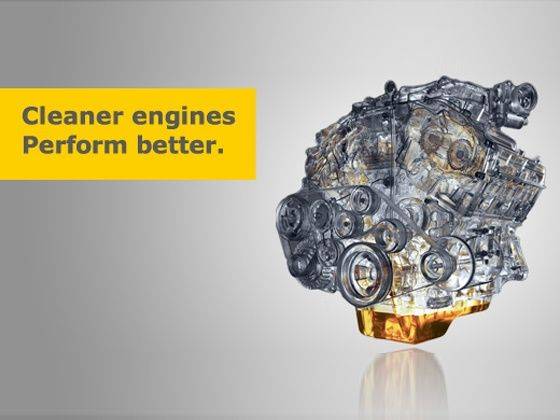
Yes, oil is available on Earth as a natural resource, but that doesn’t mean that you can simply walk up to your nearest oil well, fill a bucket and pour it into your car. Before the engine oil actually reaches you in that can, it has to go through a lot of processing and distilling. Engine oils are manufactured with two basic components – base oils and additives. The base oils form nearly 70-85 per cent of the composition of your final product while the remaining are additives. These additives also include viscosity modifiers to prolong the life of the engine oil and make it more effective even when put through extreme conditions.
Now we all know that for any motor vehicle to function, it needs engine oil, but why? Engine oils have several very important functions in the working of an automobile:
Friction buster
In a motor engine there are parts that move/rub against each other, for instance the friction between the piston and the cylinder liner can lead to loss of energy which can be otherwise used more efficiently. Engine oil reduces friction between such parts not only for efficient energy management but also to reduce wear and hence prolong engine life.
Cleaning agent
This is without doubt one of the most important functions of an engine oil. In a new motor, particles from the moving parts generally tend to disperse. Engine oil helps in reducing the damage to the piston/cylinder done by these loose particles by removing them out with the help of the oil filter. It clears away dirt, debris and deposits to ensure smoother running of the engine. It removes alien dirt particles/carbon and renders it harmless until it is removed during the next oil change.
Heat absorber
Friction causes a lot of heat. Engine oil forms a protective layer between two moving surfaces that that not only restricts direct contact between the two surfaces but also reduces the effort needed to do so. Further, since liquids are good conductors of heat, it also absorbs the heat that is generated hence helping in reducing the overall temperature of the engine. Engine oils carry heat from hot areas and distribute it around the engine.
Corrosion fighter
Strange as it may sound, internal parts of the engine are subject to rust and corrosion as well. When the oil is flushed through the engine forming a protective layer, it prevents these parts from rust and corrosion prolonging the life of the engine.
Minimise braking
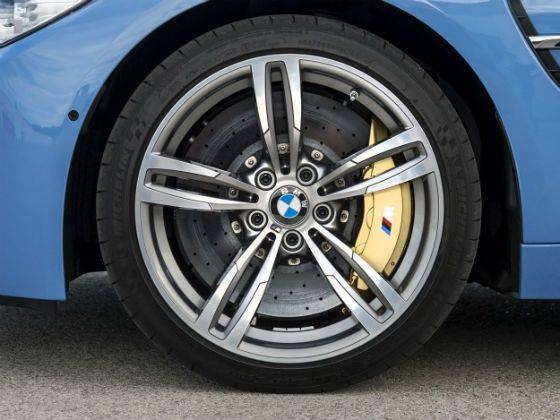
Brakes have two functions – bringing the car to a halt when used completely and slowing the vehicle down when used partially. Either way, the kinetic energy generated by the engine is cut by the brakes and pretty much wasted as heat.
Coasting
You cannot use the accelerator and the brake at the same time. It’s the most basic driving principle because they do exactly opposite things. But when you are not accelerating, you aren’t necessarily braking. The mass of the car helps it slow down due to gravitational force of the earth. This is the most efficient way to reduce speed and dissipate the kinetic energy developed by the engine. When you aren’t accelerating and the vehicle is moving forward, it is called coasting. Coasting saves you fuel because you are utilising the momentum and energy already developed to move ahead. No further power is developed to move the car ahead.
Braking
When you are too fast for a particular turn or a stop-light or a vehicle in front of you, you cannot coast to slow down speed. Lifting off the gas is just not enough to reduce speed. In such a case, you have to brake. Braking quickly cuts down speed and reduces momentum. You need to build that momentum again and for that you are burning more fuel. To minimise your braking effort, there are simple steps you can follow. First is become aware of the weight of your car. Once you get an idea of how much resistance it provides to air and friction, you will start calculating its coasting distances. This can help you save fuel as you will just be lifting off the accelerator a bit earlier than before instead of reaching closer to a car ahead or a stop-light and braking hard.
Second is correcting you coasting speed by light tapping the brakes. If you are too fast, you can reduce speed to a coasting level by light braking and then slow down to a crawl instead of braking. Both these methods will reduce fuel consumption. Third is using gradients effectively. A car will require more power going uphill than going in a straight line and so if you are aware of the road up the hill, you can use the gradient to slow you down instead of reaching the top and then using your brakes.
Brakes are the most essential safety device for a moving vehicle. You need a good set of brakes to feel safe but the flip side is that braking is the enemy of efficiency. Use natural speed reduction techniques like lifting off the gas and using your road conditions wisely to minimise braking and use braking only when you cannot just coast to stop. This will save you a lot of fuel.
Parking Tips

How and where you park can make a difference between a dented car and well-kept one. It can make a difference between heading to an important meeting in a car strewn with leaves and bird droppings or a nice shiny one. Where and how you park is also a safety concern for others and yourself. Here’s how to do it right while caring for your car.
Be considerate to other road users and pedestrians
When parking your car, the first thing you should check is whether it is safe and legal to park there. Check for no standing zones, no parking zones and day specific zones as parking in places where one is not allowed may lead to your car getting towed. Do not park too close to a gate, intersection, bus stop, fire hydrant, post box or taxi and rickshaw stands. One must also never park too close to another car at the risk of getting boxed in.
Parking under trees
Parking under a tree may seem sensible as it prevents your car from getting too hot in the summers, but stray objects like branches or coconuts might damage your car. Also, bird droppings can completely ruin your paint if not wiped clean soon. Some migratory birds like storks have acidic droppings that burn through your clear coat and into your paint leaving permanent damage. Check where you park and if possible never under a tree. In the monsoon, heavy winds and rain can also cause trees to fall resulting in complete destruction of your car.
How to apply the handbrake
Applying the handbrake is crucial although the correct procedure is very important. Many drivers simply throw the car into gear (or Park in an automatic) and rip the handbrake on. In this case, it is the transmission that usually takes up most of the load and not the handbrake.
Whenever you are parking a car, especially on a hill, park and stop safely. At this point your standard footbrake should be holding the car stationary, select neutral no matter whether the car has an automatic or manual transmission and then pull on the handbrake. The correct way to apply the handbrake is to push the button in as you are pulling it on. Avoid the clicking sound that comes due to not pressing the button. Once the handbrake is on, pull again firmly to hear one click and let your foot slowly off the footbrake. Now the parking brake holds the car’s weight. The driver can not select 1st gear in a manual or Park mode in an automatic for added security. On a hill, always put the car in gear.
Always remember to choose a space with a wall on one side or at the end of a cue of parked cars so as to minimize the chances of your car getting damaged. Also, always remember to park your car only inside a designated spot if parking in a parking lot so as not to inconvenience other users.
Knowing your engine
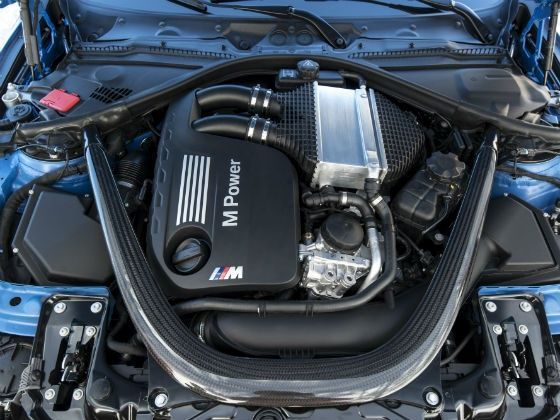
Buying an efficient vehicle is half the battle won. You can read our guide on how to buy one for that. But making your fuel efficient vehicle deliver the desired economy is purely up to you. A major part of getting good economy out of your car is knowing your engine. The internal combustion engine does one thing – burn fuel to develop power to propel your car forward, or backward. Clearly then, an engine in good working condition will be easier on the wallet.
But first, once you have selected the type of fuel – petrol/diesel for your car, selecting the right engine to power your car is important. Larger engine capacity is not entirely directly proportional to fuel economy. Of course a car with a 4-cylinder 1.2-litre engine will return better economy than a V6 or V8 unit but when engine capacities aren’t too far apart, it isn’t necessary that a smaller engine will be more efficient than a slightly larger one. The reason is simple; a smaller engine is strained more easily and driven closer to the red-line more often. So first you need to know your usage. Do not go for an underpowered vehicle if you do a lot of driving in the hills and the highway as the engine will be strained at most times.
Secondly, keep your engine maintained. This essentially means filling good quality fuel and changing engine oil at prescribed intervals. Let us emphasize on the quality of fuel here… There are a handful of fuel marketing companies in India so you must be presuming the quality of fuel will be standard across pumps, but it isn’t. Several fuel stations indulge in adulteration which affects the engine. Compromised fuel can affect acceleration and negatively impact output. So test the fuel stations in your area one after the other every time it’s time to fill fuel. If the car gets too jerky or doesn’t deliver the power you were getting earlier, move to the next fuel station the next time. Once you find quality fuel, stick to that fuel station. A smooth running engine is a more economical one.
Refer to our guide on the right kind of oil for your car. Engine oil maintains health of the engine and prolongs its life. Wear and tear can be delayed by filling good quality oil at regular intervals. Next you need to keep the engine cool. For that check coolant levels regularly. It’s the bright fluid in the translucent tank in the engine bay. Coolant is radiator fluid circulating through the engine to keep it cool.
Clean your air filters from time to time. Fuel needs air to combust. This air is filtered by the air filter first so if the filter is clogged, you aren’t getting enough air to combust fuel leading to lower rate of combustion. If all is ignored, the least you can do is pay attention to the warning lights on your dashboard. If the check engine light is on, it’s best you get it checked at the earliest. A smooth running engine is a fuel efficient engine.
Feathering the throttle
The more energy spent to move an object, the faster the object will move. It is the same with cars. A car’s engine has the capacity to move at various speeds depending on three conditions – the available amount of surface for the car to travel, the gear you are in and the force with which you accelerate.
Gears
Most cars sold in India have a set of five forward gears and one reverse gear. Irrespective of the number of gears your car has though, the job of the gears is to break the revolutions of the crank down to a number that can be used. Pistons drive the crank and if not for a set of gears, the revolutions of the crank would be too high to use. Each gear has a set of ratios and without going too deep into the technical aspect of gear ratios, the simple thing to take out of it is that these gear ratios determine how usable the power generated by the engine is.
Every driver over time learns to stay in the right gear to get the best performance out of an engine and enjoy a smooth drive. That’s the crucial part – staying in the right gear. Not too high a gear at low speeds and not too low a gear at high speeds. The former is fine if you speed isn’t decreasing because if it is, you will encounter a phenomenon called lugging. Lugging is that jerky feeling when your car is demanding to drop down a gear to stay healthy.
Maintaining a moderate average speed in a high gear is the most beneficial way of saving fuel. At a higher gear with minimum throttle, the engine is revolving at low RPMs. At low RPMs lesser fuel is burnt and if a steady pace is maintained keeping the engine at low RPMs, your car is being used at its most efficient rate.
Throttle
Staying in the right gear is important but equally crucial is managing your throttle input. You cannot be stepping on your accelerator all the time and expect your car to return the efficiency the manufacturer was claiming it would return. This is the most essential part of driving a car efficiently. There are a few simple rules you can follow – the first of all is being attentive of your surroundings. Notice a stoplight from a distance and calculate the time you will need to reach it before it turns green and the cars in front of you move ahead.
If you can time yourself perfectly without being too aggressive on the gas and without changing speed, you are saving fuel. Second is finding a rhythm while driving – don’t go too fast behind a car, brake and then overtake by accelerating again. Spot openings in the traffic from a distance and weave your way through. This saves fuel as well. Third is keeping a light foot on the throttle – giving the car just enough gas to maintain speed and lifting off when you don’t need it.
Brake Oil
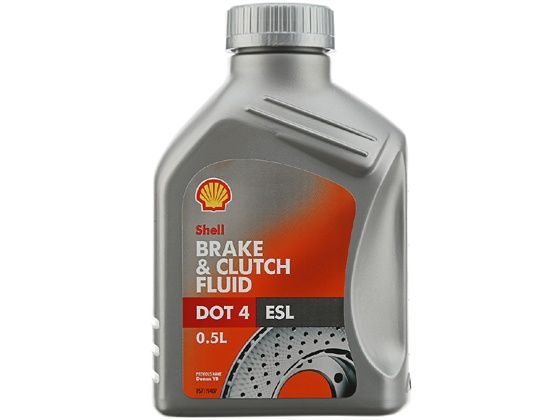
Automobile braking systems work on hydraulics and a lubricating fluid called brake oil is necessary for them to function. Brake oil over the years has evolved greatly to ensure better operation and reliability of the system. The different types of brake oils according to their application include grades like DOT 3, DOT 4, DOT 5 and DOT 5.1. These types of brake oil listed correspond to their boiling points as they work in very high temperature and pressure environments. DOT 3 and DOT 4 brake oils are most commonly used in both India and internationally.
The boiling point of brake oil needs to be high to avoid vapourisation, as vapour is compressible and will hamper the effectiveness of a hydraulic system. Vapour in the hydraulic system will also result in pressure differences which in the case of brake oil can cause problems like juddering. This can also cause uneven pressure differences in the brake system and can lead in rupturing of the brake lines. Over time, due to moisture content in the atmosphere brake oil absorbs moisture. The boiling point of brake oil after absorbing moisture is known as its wet boiling point.
DOT 3, DOT 4 and DOT 5.1 are able to absorb water to an extent (hygroscopic) under normal humidity levels. DOT 5 is silicon based and cannot absorb water (non-hygroscopic). DOT 5 brake oil is not compatible with anti-lock braking systems. Silicone brake oil, which contains additives that prevent the oil from becoming sludgy under low temperatures, is used in very cold climates.
Most modern cars, if not all, come with brake fluid reservoirs that allow one to see through so you can check on the level of brake fluid without physically opening the cap. Usually, the reservoir is located on the engine firewall or towards the back of the engine bay towards the driver’s side. The reservoir is also higher up in the engine bay so that it is easily accessible. Once you locate the reservoir, it is easy to identify certain markings on it to know if you need to fill more brake fluid or if it is at an acceptable level. As the container is in the engine bay and is often exposed to elements like grime, heat and oil, one might need to clean off a little grime on it to ensure correct levels.
Brake oil must be changed every two years as the oil gets saturated with moisture. The moisture content can also corrode seals and metal inside the braking system. Old brake oil is flushed out completely and replaced with new oil. Always remember to bleed the brake system of all air bubbles before using the car. Forgetting to bleed the brake system can lead to catastrophic brake failure and can result in an accident.
Ensure an adequate level of brake oil is refilled according to the marking on the container located in the engine bay. If the level drops, top up with the grade of brake oil recommended by the car manufacturer. Always remember to thoroughly clean the rim of the container and the cap before putting it back on to ensure no stray particles enter the reservoir. Do not use brake oil from an opened bottle as it will have absorbed moisture from the atmosphere. Wash off any brake oil residue that might have spilled in the engine bay while refilling as it can corrode the paint.
Getting the most from your Engine oil
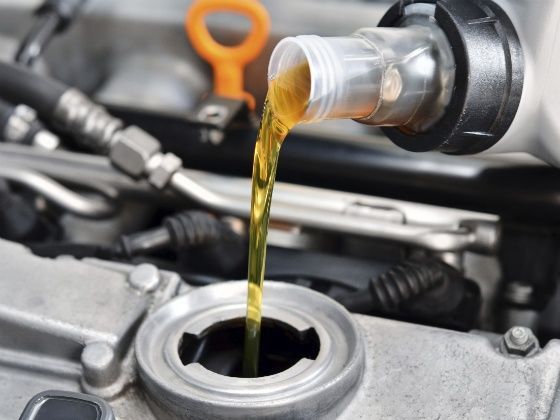
Did you know that your car’s engine oil is possibly one of the most important fluids in your car? Apart from making a film of lubricant between the walls of the cylinder and the pistons, it also act as a guide for the crankshaft thereby actually running your engine’s basic mechanical components. Here’s a quick way of ensuring you are getting the most from the engine oil.
Check oil levels personally
Just as you get air or nitrogen filled in your car’s tyres regularly, it is crucial to check up on oil levels at least one a month. Drive your car for about 10 minutes or idle for about 15 minutes before you check the oil. Park your car on a flat surface and gently pull out your oil dipstick all the way. Take a clean cloth and wipe the oil off the dipstick. Put the oil dipstick back into its slot and pull it back out after a few seconds to check the level of oil. Ideally, the oil level should be at the full position dimple or very slightly over it when measured.
Using the right oil grade
A manufacturer always specifies what grade of engine oil one must use in any given car. It’s crucial to stick to this grade for optimum engine performance. Oil grades are conveyed with a number followed by a letter and then a number again like 15W40 or 10W20. The first number rates the oil's flow at 0 degrees Fahrenheit (-17.8 degrees Celsius). The lower the number here, the less it thickens in the cold. The "W" stands for winter and not weight as many people think and finally the number at the end indicates the oil's viscosity measured at 212 degrees Fahrenheit (100 degrees Celsius). This number represents the oil's resistance to thinning at high temperatures.
Common engine oil myths

Colour is a reflection of oil quality
Not true. Just because a certain brand of oil is red or gold in colour does not mean that one brand is superior to the other. The colour of oil is usually a pigment added to the oil compound that has no effect whatsoever on the performance of the engine or the act of lubrication in general.
Oil quality can be checked manually
Not really. Taking two drops of oil between your fingers and rubbing them against each other to feel whether the oil needs to be changed isn’t the most scientific way. Unless checked in a Tribology (study of oil) laboratory, no oil can be manually checked to know whether or not it has reached the end of its life cycle. It’s best to keep a track of your oil change intervals to get the best from the engine oil.
Over-filling oil is ok
Oil is a liquid. Liquids in the engine more than a specified value can and will enter the combustion chambers and result in a phenomenon called hydrostatic lock. Essentially, more oil in the engine can cause the pistons to lock up due to added pressures and cause catastrophic component failure in engine. So over-filling is as bad as under-filling.
Choosing a Car Cover
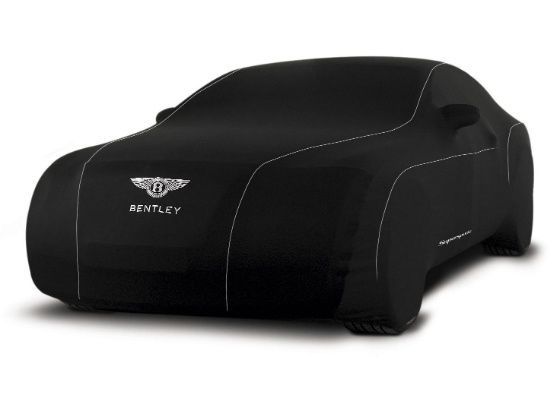
Don’t you hate it when a random crow decides to treat your freshly cleaned car as it’s private bathroom? Don’t you hate it when your car has a layer of leaves, twigs and dust? What about the millions of little berries and fruits that fall on your car staining the paint bad enough to require a professional polish? Well, most of these issues can be sorted out by using a car cover. Here are some things to remember while choosing one for your car:
Always buy a snug fitting cover
Gone are the days when manufacturers made individual car covers for each and every model. Today, in India, there are general cover sizes i.e. A, B, C, etc. that you can use to cover your car. An ‘A’ sized cover is usually for small hatchbacks like the Maruti Alto and Hyundai Eon and so forth. The packaging of the cover will usually have a list of cars that the cover will fit. If you drive something slightly uncommon, make sure you buy a cover that corresponds to the nearest size.
Tying the cover down
Usually, a car cover will have only one central strap with a clip buckle. If you park your car in an enclosed garage, this would usually be enough. If though like most of us you park your car on the road, you need more tie-down points. The easiest way to tie down your car’s cover is to buy shoelaces of different colours and poking them through the cover to make new tie down points. The easiest places to tie your cover down are usually your car’s wheels and tow hooks. Using colour-coded shoelaces also helps you quickly identify the left-right and front-back sides of your cover.
Never use a cover in the rain
Using a car cover is the worst thing you can do to your car in the rain. Rainwater usually ends up seeping between the car cover and the body and mixes with dust. After the rain stops and water dissipates, the cover, due to the dust sediments will end up sticking to your car and will more often than not end up ruining your car paint’s protective clear coat. In certain cases, especially with older cars, there have been cases where owners have had to completely repaint their cars due to this phenomenon.
Dust your cover at least once a week
A car cover forms a layer between your car and the dusty environment. That said, a car cover must be dusted at least once in a week to make sure no residual dust seeps through the cover and onto the body. The best way to do this is to take the help of a friend, grab each end of the cover and give it a nice shake about. The sheer volume of dust on the cover will shock you.
Never use a thick tarpaulin cover
It is always preferable to use a thin cloth or synthetic cover as compared to a tougher plastic one even though the plastic cover might protect better. This is because the thicker covers can cause micro scratches in your car’s paint when ruffled around in the wind.
Buying the Right Car

A fuel efficient car as the title suggests, is one that doesn’t burn a hole in your wallet at the pumps. In India, unlike Europe and the United States of America, the automotive industry’s focus has primarily been of affordability and fuel economy. So chances are, you won’t go wrong with your purchase if you are choosing a car manufactured in India. But there are still many choices. Here’s when to choose what and why…
Electrics and Hybrids
Electrics save you a lot of money. You are just adding to your house electricity bill but the options are too limited and range anxiety is an issue electric cars still haven’t tackled convincingly. Hybrids on sale in India are way too expensive and so will not impact most of the country with their benefits. A small electric motor compliments the petrol engine to improve your fuel economy. It can be quite impressive if you drive with a light foot. A hybrid is the most efficient type of motor vehicle if you want to use it extensively. In India, it still doesn’t make a good case for itself due to a high sticker price.
CNG or LPG
The third option is a CNG/LPG tank fitted to your vehicle. Many manufacturers factory fit them and there are options to get an aftermarket product as well. CNG and LPG are cheaper than Petrol and Diesel so you will be saving up at the pumps. But the tanks take up too much boot space and a poor network makes it tough to use if you plan outstation trips or stay outside major cities.
Petrol
Petrol cars are the least fuel efficient. But in the past decade, manufacturers have strived hard to develop refined engines that return good fuel economy. Petrol cars enjoy a price advantage over diesel cars. To find out if buying a petrol over a diesel makes more sense, you need to calculate the difference between a petrol car and its equivalent diesel. If your average mileage over a period of three years (three years is the average ownership period wherein one would like to breakeven) is not as much as the extra money spent on a diesel, it makes more sense to buy a petrol car.
Diesel
Diesel cars are more efficient than petrols. They also cost more than petrol cars so if you do a lot of long distance trips or have a high average mileage, then opt for a diesel. It is also cheaper to fill at the pumps but this gap is reducing consistently. Diesel cars are also heavier and therefore one must be aware that general expenditure on a diesel car (barring the cost of fuel), is more in a diesel car.
ARAI Certified Mileage
Once you have decided on the fuel type for your car purchase, research the ARAI certified mileage of the cars under consideration. Every car manufactured in India gets an Automotive Research Association of India (ARAI) certified fuel economy figure. This figure is attained under ideal conditions and will be much higher than the real time economy of the car. But you need not be thrown away by it. Treat this as a figure for relative comparison among the cars you are considering and you will get an idea of which car is more fuel efficient.
Thursday, June 26, 2014
Car oil Guide: Additives
Photo Credit: Thinkstock
We have all heard and probably used fuel additives. These are compounds that improve the performance of your engine by enhancing the quality and efficiency of fuel used. Different additives are available for petrol as well as diesel vehicles. These additives have several functions including, cleaning fuel injectors, reduction of emissions, prevention of corrosion in fuel lines/fuel tank, reduced knocking and lastly making cold start an easy affair.
Octane boosters ensure that the combustion of fuel is a lot more easily hence increasing performance. Making use of octane boosters in your regular cars is not really going to enhance its performance as only high performance cars that run on high octane fuel benefit from octane boosters. High octane fuel is the right option for high performance cars. In India, high performance fuel is not available in all regions, so octane boosters are the ideal alternative.
Engine oil additives
These sorts of additives are mainly used to boost the lubricating capacity of the engine oil, thereby reducing friction and ultimately enhancing the overall performance. The reduction of friction also tends to increase the overall life of the engine. Further, it prevents build-up of sludge and increases the life of the engine oil. They also improve engine operation under extreme weather and load conditions. However, sulphur additives can reduce fuel efficiency and damage catalytic converters. Also, some detergent additives can work against other additives that reduce friction.
Gear oil additives
Reduction of friction on gears is highly essential for smooth shifts and it also increases the life of the gearbox. Also, since there is no pump that circulates oil inside a manual gearbox, gear oil has to be able to stick on to rotating gears. Gear oil, therefore, consists of extreme pressure additives that allow the gear oil to lubricate the surface of the gears without air bubble formation under high pressure between contacting rotating gears. To keep up its lubricating properties intact, gear oil additives enhance the thickness of the oil. This reduces friction and heat resulting in smoother gear shifts, less wear and tear and low maintenance costs. Synthetic gear oil is an alternative to gear oil additives. There are different gear oil additives for manual and automatic gearboxes.
Radiator additives
While fuel and engine additives are added to improve the overall performance of the engine, radiator additives are mainly to improve the ability of coolants to keep the car’s temperature in check under extreme conditions. They improve heat dissipation, prevent corrosion inside the radiator pipeline, and also act as acid neutralisers. Radiator additives are mixed with coolant inside a vehicle’s cooling system.
Car Oil Guide: Mineral Oil vs Synthetic Oil

Photo Credit: Thinkstock
Is synthetic engine oil better than mineral engine oils? There’s always a dilemma about choosing the right engine oil for your car. Aside from the grades, there’s also Mineral and Synthetic to add to the confusion. Every engine oil manufacturer claims that synthetic oils enhance performance, mileage and engine life but on the flip side, these oils come at a premium price. Does it make sense to go in for these expensive oils when it is not really recommended by a car manufacturer?
Mineral engine oil
Almost entirely natural, mineral engine oil is a derivative of the crude oil refining process. While the thicker by-products that are derived after the refining process are used as tar; the carbon-rich substances are further refined to make petrol and diesel and the remaining crude oil that is contaminated with sulphur and other impurities is used as base for making mineral oil.
Advantages:
• Mineral Oil helps lubricate moving parts in the engine, as per the level of refinement and holds the capacity to perform well in varied conditions.
• Are cheaper compared to semi-synthetic or synthetic oils
Disadvantages:
• The simple way in which they are extracted or produced as opposed to synthetic oils makes it unstable and increasingly prone to loss of viscosity.
• They hold some contaminants that are prone to sludge formation which can be dangerous for your engine in the long run in case it isn’t changed on regular intervals.
Synthetic engine oils
Synthetic oils, despite being based on conventional mineral oils, go through extensive refining in the presence of chemicals that make them more viscous making it well suited for high performance engines.
Advantages:
• Owing to the higher viscosity, it is easier for synthetic oils to handle changes in temperatures and engine load.
• Addition of chemicals reduces sludge formation
• As the oil is resistant to sludge formation for longer period, the oil change interval is longer
Disadvantages:
• The high cost involved in research and its production has a direct effect on retail cost.
• Affects the rubber seals and causes oil leaks, hence not recommended on high-mileage engines.
• Not significantly effective on low performance engines, especially with respect to price
While mineral oils can face the stresses of daily driving easily ensuring that your engine runs smoothly and efficiently, synthetic engine oils can take an actual beating without a fuss. If you use your car for off-roading, drive for prolonged durations at high speeds or put it through extreme temperature changes, only then synthetic oil is recommended. It is not recommended that you use these oils if your car is not being driven in extreme temperature changing conditions, is not driven in high-altitude locations and is not equipped with a high-performance engine. Contrary to common belief, synthetic oil doesn’t necessarily put a dent in your pocket. It is known to last nearly 50-70 per cent longer than mineral oil which ultimately leads to savings in the long run. On the whole, synthetic engine oil is definitely better.
Oil Guide: Synthetic Oil explained
Photo Credit: Thinkstock
Synthetic oils have been around for a while; in fact they were on sale as early as 1929. During World War II, the Germans further advanced synthetic oil technology after the Allied forces halted their oil supply. Despite the crisis in oil supply, it took a while for synthetic oils to gain prominence in the automotive market. But the question is where does synthetic oil come from?
Although oil is available as a natural resource, before actually being canned it has to go through a lot of processing and filtration. Of the kinds of oils used in motor vehicles, mineral oil is as close to crude oil as it can possibly get. Synthetic oil on the other hand is actually a subset of mineral oil. They are made from the purest part of the mineral oil refraction process, the gas.
Unlike mineral oil, Synthetic oil doesn’t have unnecessary molecular compounds like paraffin waxes that don’t contribute to the lubricating properties of the oil. The absence of such substances gives it better mechanical properties even in extreme conditions and gives them longer change schedules and improves their overall performance. That said, despite a vast difference in its properties, if there is puddle of synthetic and mineral oil on the floor you will not be able to point out the difference.
Further, Synthetic oils are manufactured using superior chemical process such that allows its properties be closely controlled. They are more resistant to heat thanks to a high rate of viscosity and can even perform better at extreme temperatures.
The advantages of pure synthetic oils are as follows:
• They have better low and high temperature viscosity performance
• They have better chemical stability
• They are more resistive to oxidation, thermal breakdown, and oil sludge problems
• They have longer change schedule, so less oil is wasted
• These oils extend an engine’s life compared to other types of oils
• Synthetic oils are known to increase the horsepower and torque of engine as they reduce the drag on the engine
The disadvantages of pure synthetic engine oils include:
• The initial cost of these oils is very high
• Chemicals in synthetic oils have been known to corrode rubber seals in carburetted engines
• Many synthetic oils do not give an engine any major advantage, as far as performance is concerned, over mineral or semi-synthetic oil. Performance enhancements will be limited to high performance engines
Oil Guide: Oil specification, grades explained

We know manufacturers recommend certain grade of oil for a particular vehicle model. We see a combination of numbers and letters like 10W40, 15W50 or the ones on the label of oil cans, but never really understood their significance. And due to this, we often have no idea about the kind of oil we are buying and whether it is ideal for the vehicle.
To start with, let’s first understand how these grades are read and to put it in extremely simple terms we shall take 5W30 grading as an example. Numerous tests are conducted by the Society of Automotive Engineers to understand how affectively the oil performs at -17.8 degrees Celsius (0 degrees Fahrenheit) and 100 degrees Celsius (212 degrees Fahrenheit). So in this case, the two numbers ‘5’ and ‘30’ mean that the oil is multi-grade and has been tested at two different temperatures.
Viscosity, in simple terms is the thickness of the oil. The higher the number, the thicker the oil is, which also indicates that the oil is resistant to flow. Obviously, it is easier for thinner oil to flow across into the engine.
The ‘5’ in 5W30, denotes the viscosity of the oil when the engine is cold. The lower the number, the less it thickens in cold. In India this number doesn’t really hold much significance mainly taking into account the fact that the temperature variations here aren’t really drastic, but in countries where the temperatures can get extremely low, this unit is of utmost significance. While the ‘W’ in 5W30 stands for winter.
Photo Credit: Thinkstock
The ‘30’ indicates the viscosity of the oil at 212 degrees Fahrenheit or 100 degrees Celsius. While the engine oil becomes thin at higher temperatures, it still needs to be thick enough to ensure that it continues to protect your engine. In simple words, it indicates the resistance of oil to thinning at higher temperatures. For example 5W20 will thin out faster at high temperatures than 5W30.
While most manufacturers recommend a certain grade of oil for your vehicle, selecting the right one has got a lot to do with the way you use your vehicle and what kind of weather you use it in. If the manufacturer recommendation for your vehicle is 15W40 and you tend to push your vehicle to the limit more often than not, you can upgrade to a 15W50 instead. Remember not to go one-step down and opt for any oil less than the recommended ‘40’ grading as it can be ineffective in providing adequate lubrication and eventually ruin your engine.
On the contrary, you are permitted to go lower than the suggested viscosity but surely not over. For example, in place of 10W40 you are permitted to use 5W40 for your vehicle but not anything over ‘10’. However, it is best to consult your mechanic before you make the change or simply stick to what the manufacturer recommends for your car.
Engine idling
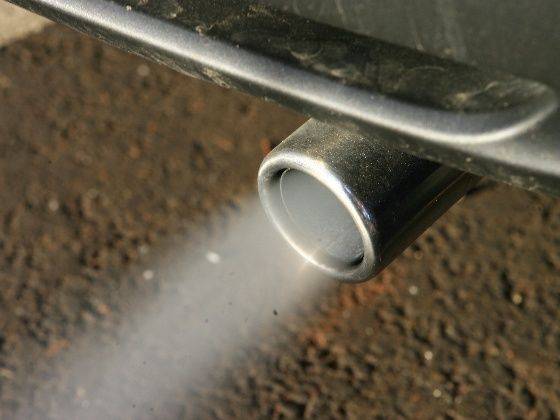
What is idling? It’s the idle speed or RPM at which an engine runs without applying any gas. The engine is thus staying on by being fed fuel to do no work when the car is in neutral. Once you change gears to first and step on the accelerator, the engine speed increases and you get going.
We have grown up with the knowledge that idling your car for a few minutes on a cold winter morning is good for your car. It is not. In the good old days, it was fine as it prolonged the life of the engine but present day fuel injection systems have eliminated the need to idle your car. At idling speed, the engine doesn’t completely burn fuel leaving fuel residue on cylinder walls. This contaminates engine oil over time and will require sooner oil top-ups. Unnecessary idling also makes spark plugs dirtier and as a result fuel consumption increases.
There is no need to warm up a car these days by just idling. Once you get going, the car comes to an optimum operating temperature soon enough. In fact car engines can run for days without a need to stop as the engine oil and coolant keep it in optimum working condition all the time.
When you are driving on the highway, the need to idle doesn’t arise. In stop-go city traffic when you are stuck in a traffic jam or waiting at a signal, you tend to subject the engine to unnecessary idling at several occasions on a daily commute. Best thing to do is staying attentive of the time taken while your engine is idling. You cannot be turning your car on and off every time you come to a halt. It gets quite annoying, we know, but on occasions the car is going to be stationary for more than a few seconds, the engine can be turned off. Now-a-days, most signals come with timers giving you a good idea of the time you can turn the engine off. We also tend to keep the engine on when we are waiting at the side of the road for someone. It is better to turn the car off and get out and stand in the shade.
India experiences extreme driving conditions. The summers are too hot and the winters can get nippy. During these times, we know that air conditioning gives immense comfort. A minute of turning the engine off can make it a bit uncomfortable in the cabin but it is worth it if you are prolonging the life of your engine’s parts and consuming lesser fuel in the process. Remember that an idling car returns zero kilometers to a litre, much lesser than your average supercar.
Average Speeds vs Fuel Efficiency
What is the speed you should drive at to get the best efficiency out of a car? There is no simple answer to that or a definite number to share. What you can know for sure is a low speed in a high gear will give good fuel economy.
The Automotive Research Association of India certifies every vehicle produced in India with a fuel efficiency figure. These are the numbers promoted by the manufacturer when the car is driven under conditions the ARAI uses to test these vehicles. You will notice that most of you have never ever received a fuel economy rating even close to the Manufacturer certified figure. This is because the ARAI tests vehicles on test tracks where they are driven at a very low constant speed. You don’t get to drive anywhere in the real world at a constant speed so it is best to take these numbers with a pinch of salt.
Experiment
You can try a simple experiment. Set three different max speeds on three consecutive days spaced out with a gap of 15-20kmph. So say the first day, you don’t cross 100kmph, the next day you don’t cross 80kph and the last day drive under 60kmph. Mark out a fixed route and stick to it for each run. Drive at a fixed time as well to get ambient temperatures and traffic in the same range. Next, see to it that weight doesn’t vary much – tank up the car before the run and again tank it up after the run. Note down the fuel consumed on each day. Also note the time taken to travel the same distance. The most important thing to follow is a similar driving style through the three days of your test. You will get an excellent idea of how much fuel you can save by driving slower. The difference in time taken will have to be weighed in to the equation because time is money. If the time saved isn’t much by driving fast, isn’t it better to save fuel instead?
Driving style
Let’s elaborate on your driving style since it is a crucial part of your test. When you are driving on a highway, stick to the non-overtaking lane. Keep an eye on your mirrors because you will not be driving at the same pace during the test as most of the motorists on the road. That said, follow all rules at all times. Drive in a high gear as much as possible because the engine runs at low RPM thus burning less fuel. Doing 60kmph in fifth gear is perfectly fine in most cars.
Driving fast is fun but there is a different kick you get when you do the same distance consuming much lesser fuel. Once you get aware of how much fuel you begin to save, it can be quite addictive to drive slow.
Effects of engine oil on fuel economy
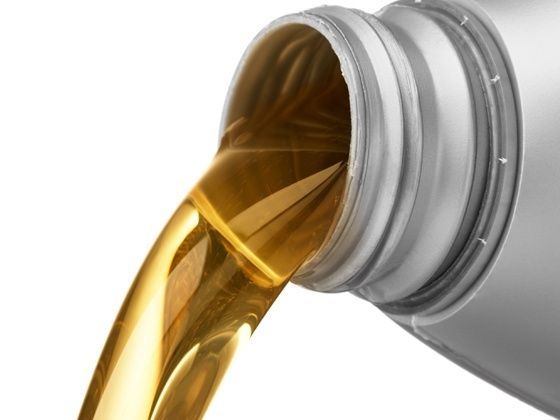
There are several ways to improve fuel economy from driving with a light foot to over-inflating tyres but few would know that picking the right engine oil can make your car go that extra mile too. There are three kinds of oil you can purchase, mineral oil, semi-synthetic and fully synthetic. Mineral oil is the basic stuff just used to protect your engines and requires frequent changing. Semi-synthetic oils reduce engine wear, provide better protection in cold starts and oil change intervals go up compared to mineral oils. Fully synthetic oils enhance performance, have excellent cold starting ability and above all are more economical.
Naturally then, the best choice of engine oil for better fuel economy is the fully synthetic kind. It all comes at a cost though. Synthetic oil is created in a lab by adding additives to the mineral oil in order to suit your specific needs of efficiency, performance and longevity. These additives add to the cost of the oil and so depending on your budget, choosing oil is a trade-off between price, efficiency and longevity. There are a few aspects you need to know before purchasing the right oil –
Know your oil
Oil comes with different names and there are over a dozen different types to choose from. But every oil container has a rating on it which shows its characteristics. Take for example 5W30. Oil is required in an engine at all temperatures from a cold start in winters to our sweltering summers. It doesn’t perform the same at all temperatures though. The W in the reading and the number before it is the winter rating and the second number is the rating when the oil is warm. Fully synthetic oils are designed to get a better winter rating. These oils are more efficient in cold conditions resulting in better fuel economy and lower engine wear. Depending on the climate you live in, the oil you choose will differ. Warmer places can use higher rating oil.
Viscosity
Oils can be termed as thick or thin. Thick means high viscosity oils and thin is low viscosity. Lately, you might have noticed manufacturers marketing more fuel efficient oils as part of their development for a new car. These are nothing but lower viscosity oils. Oils need to be thin when cold and thick when warm. To get the right mix, multigrade oils are your best bet. Multigrade oils have polymers added in the oil that are coiled up when cold and thus keep the oil thin. When the oil warms up, these polymers unwind to increase the viscosity of the oil. The viscosity of an oil can be understood by its viscosity index.
Service
Know the time intervals between oil changes. These are manufacturer prescribed after testing the chosen oil’s effectiveness during testing. If you change oil, check its rating with the ones used by the manufacturer to the readings we have mentioned above and set oil change intervals accordingly. The sooner you change your oil, the better as the engine life increases and it performs at an optimum level to return better fuel economy.
Carpets and Mats
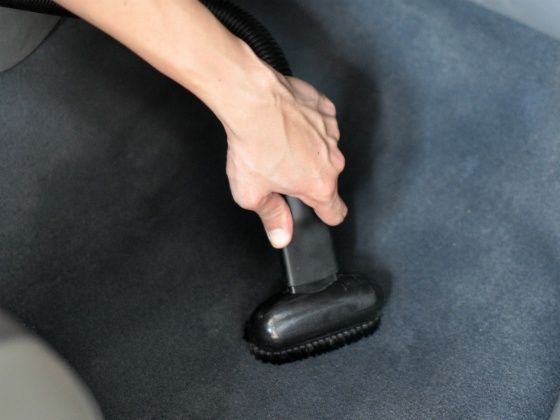
Most people are aware of the need to wash the exterior of the car periodically, but neglect to really clean out the interior. All modern cars come with a fabric-based carpet that covers the entire floor and firewall area. Most carpets after a few months of use in a country like India become a paradise for dust, grime and moisture attracting mould and fungal material. Here are a few steps you can take to clean your carpets, returning them to their original glory.
1. Clean out your garbage
You will be surprised at how clean your car can look if you clean out stray garbage inside your car. Get rid of those fast food wrappers, the old newspapers and other rubbish that might accumulate in your car. This can easily be done at home. To avoid accumulation of garbage in the future with a small garbage can or a cardboard box in the back seat. Remember to put a garbage bag in the can or box, and replace it every time it fills up.
2. Vaccum the floor
One should use a vacuum to get dirt and debris that is too small to remove by hand. A portable handheld vacuum are a great way to clean the carpet whenever needed without having to look for change. These mini vacuums can be recharged and run off of battery power, or a long extension cord. You can usually find a high quality car vacuum cleaner for about Rs 2500.
3. Clean stains
Using heavy detergents on your fabric carpets will most probably end up ruining them. The best thing one can do is used a speciality foam based cleaner to clean the carpets. Spray the dirty spot on the carpets with the cleaner and rub vigorously for a minute or two till the stain disappears. Wipe the spot thoroughly with a clean and dry soft cloth till the surface feels dry. You can clean your whole car’s carpets the same way, area by area till you get satisfactory results. If you don’t have access to foam based speciality cleaners, a spoonful of mild detergent mixed with warm water can also give satisfactory results. Remember to always squeeze out as much water from the cloth as possible before starting the cleaning process. Always do this step only after you have vacuumed or cleaned your carpets first.
4. Wash and clean your rubber/plastic mats.
Your car’s mats are possibly the dirtiest parts in your car. Not only are they the point of contact between your shoes, they are often where the maximum amounts of dust and dirt accumulates. The simplest and most effective way of cleaning carpets is by taking them out of the car and shaking them around till all stray dust has fallen off. Post that, one can take a detergent and water solution and give the mats a hard rubbing till they are clean enough. Rinse them well with water and clean them with a dry cloth before installing them back into your car.
Doing these basic and rather easy steps regularly will ensure clean carpets and mats along with your car seeing fresh and generally neat. In recent times, a few dealers have started giving a carpet lamination system that coats your carpets with a layer of waterproof plastic, which, if done well, can protect your carpets for, extended periods.
Car Care Guide: Brakes
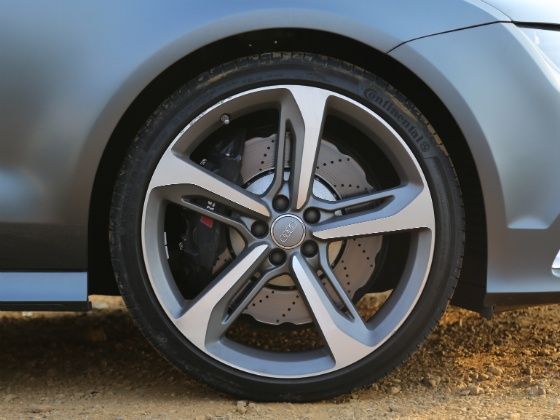
Your car carries you and your family, which is pretty valuable cargo. Your car’s brakes are essential to ensure safety. The braking system on most cars goes unnoticed since it is a low involvement component and is usually ‘out of sight, out of mind’. Most of us don’t pay much attention to our brakes until a problem crops up. Usually, brake issues are noticed due to a grinding sensation and sponginess in the brake pedal. Here are some aspects of your brakes to watch out for:
Uneven braking:
A judder or jerkiness in your brake pedal can be the result of a warped or uneven brake disc. Although your local mechanic will tell you about how the issue can be fixed by machining the discs, in the long run, it will affect your discs’ life. The best thing to do is install a brand-new set of discs from your authorised service centre. A new set of discs will solve the brake judder.
Increase in pedal effort:
Usually, increase in pedal effort in modern cars is linked directly with brake booster failure. The brake booster, a device that uses pressure from the exhaust system to add to the forces applied on the master cylinder has a diaphragm, which could easily get damaged. One must always remember to change the brake booster and the master cylinder as one unit and never individually.
Always top up your brake fluid:
Brake fluid or brake oil as commonly known is one of the most critical parts of your brake system. It is the brake fluid’s movement that acts upon the master cylinder and slave cylinder’s pistons to actuate the calliper pistons. Always remember to bleed the brake system after every service. Also, brake bleeding should be done at least once a year just as a precaution. One must also be extra careful while filling the brake fluid container so as to make sure no stray object like treads or dirt enters in it. A stray foreign object can cause havoc to the brake system.
Squealing Brakes:
A squeal from one’s brakes is usually an indication of worn or glazed brake pads. The squealing noise comes from wear indicators which are inbuilt in the brake pads that comes in contact with the brake rotor when the brake pads are worn to the point of needing replacement. This design is meant to tell you that it's time to check the brakes and usually change your brake pads. Unfortunately, most people ignore the squealing and wait until they hear the grinding, which means that the brakes have ground through the wear indicators and into the rotors. If you hear squealing, get your brakes checked immediately. Also remember, there are no wear indicators on the rear brakes. Have these checked every six months or when you have the tyres rotated.
ABS Warning Light:
Although not literally a mechanically related brake issue, many cars with antilock brakes show a lit ABS failure warning light. In most cases, this is due to corrosion in the electrical plugs leading to the wheel speed sensors or the wiring harness. It is best to get them repaired before the problem gets complicated and replacement of sensors is required.
The best way to avoid brake issues is to check your brakes every six months to avoid unpleasant surprises. Brakes are complicated and servicing or changing parts is best left to an authorised service centre and not your roadside mechanic.