 | $1,105.68 End Date: Sunday Jul-21-2019 12:12:55 PDT Buy It Now for only: $1,105.68 Buy It Now | Add to watch list |
Friday, July 27, 2012
Set of 2 Genuine Brembo Front Brake Rotors Cayenne Touareg 330mm Diamter
Hydrogen fuel cells may get a shot at batteries after all
Filed under:
Autoline on Autoblog,Government/Legal,Green,United States,Electric,Hydrogen,Natural Gas

What Changed DOE Secretary Steven Chu's Mind About Hydrogen Fuel Cells
Continue reading Hydrogen fuel cells may get a shot at batteries after all
Hydrogen fuel cells may get a shot at batteries after all originally appeared on Autoblog on 2012-07-27 11:53:00. Please see our terms for use of feeds.
Permalink |
Email this |
Comments
Thursday, July 26, 2012
Hydrogen fuel cells may get a shot at batteries after all
Filed under:
Autoline on Autoblog,Government/Legal,Technology,Electric,Hydrogen,Natural Gas
What Changed DOE Secretary Steven Chu's Mind About Hydrogen Fuel Cells
Continue reading Hydrogen fuel cells may get a shot at batteries after all
Hydrogen fuel cells may get a shot at batteries after all originally appeared on Autoblog on 2012-07-26 16:33:00. Please see our terms for use of feeds.
Permalink |
Email this |
Comments
Wednesday, July 25, 2012
Picking the right car audio system
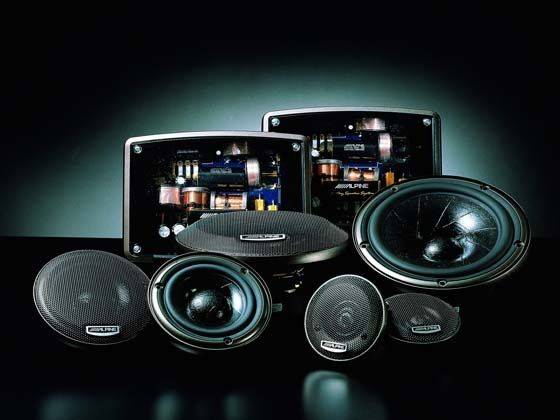
Music can soothe your nerves in heavy traffic or even distract you enough to cause an accident, but most drivers cannot do without an audio system. Some like it loud, some mellow but whatever be your style, there are numerous products to choose from and ways to customise your in-car audio system.
Think, prioritise, eliminate, decide
First things first. Do you need to need an audio system which sounds absolutely right or would you be content with any old system? Are you sourcing your music from CDs, mp3 players, SD cards or just using a basic CD/radio combination? Do you need Bluetooth phone connectivity, navigation system, video playback? Do you want your audio system to blow the roof off your neighbour’s or just be adequate?
Get informed
Getting the loudest audio system is not the brightest thing to do, as the panels of your car could come loose because of excessive vibrations. Refer to your user manual about the size of the audio unit holder (1 DIN or 2 DIN systems, 1 DIN = a 7 inch wide, 2 inch tall unit), the panels available for installing speakers, electrical systems, sound dampening etc, and what type of audio system is suitable for your car.
Make sure the audio dealers understand your needs and find out about the different options available for your car.

Brands to look out for
For the entry level car audio systems, look at brands like Pioneer, JBL, Kenwood, and Sony. They provide value for money options with decently specced head units (HUs), coaxial speakers and amplifiers.
For the mid-level car audio systems, check out Blaupunkt, JBL, JL Audio and Sony. These brands provide good HUs, with features like touch screen, a dash-screen for playing movies, Bluetooth connectivity, component speakers, and high power amplifiers.
The high-end car audio scene is as crowded as the other segments, Rockford Fosgate, Nakamichi, MTX Audio, Kicker, JL Audio, Infinity, Harman Kardon and Alpine are some of the best brands available in the country.
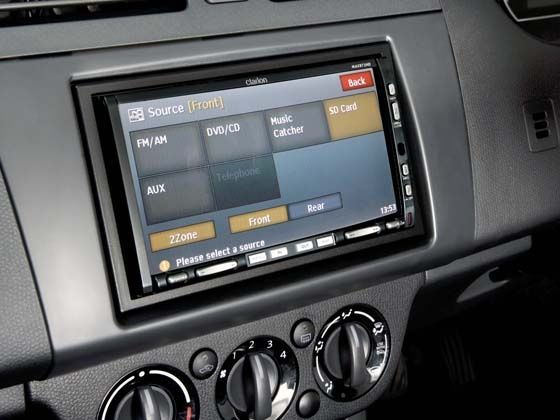
In-car audio components explained:
The head unit
The head unit is the audio system control interface found on the dash of your car. Most modern HUs can play CDs and only a few rare ones still offer cassette play capability. The cheapest branded MP3 compatible audio systems cost around Rs. 5000. It is recommended that you adjust your budget to buy a USB compatible player -- a good quality 4GB USB pen drive costs around Rs. 200 and can store a lot of songs saving you from carrying a hundred CDs along.
Amplifiers
Amplifiers increase the performance of your basic audio unit. It relays power to the speakers, taking the load off the HU, improving the performance of the audio unit and also amplifies the sound coming out of the audio unit. Prices start at Rs.5000 for a four channel amplifier and at Rs.3000 for two channels.
Speakers
There are two basic types of speaker: coaxial and component. In coaxial speakers, the low frequency (woofers) and the high frequency units (tweeters) are moulded into a single physical frame. This set up is cheaper but the sound quality is not the best. In component speakers the low and high frequency units are separate; some even contain a third part, called the crossover. Component speaker systems are more expensive but offer superior sound quality.
Wires
The importance of proper wiring cannot be emphasised; bad wiring work can be bane of the best sound systems. Power wires connect the battery to the HU and amplifiers and also ground the whole system to prevent a short circuit. Cheap power wires and bad layout may affect sound dynamics and cause other noticeable disturbances like flickering of lights at high volume. Disturbances can also creep in if the wires connecting the HUs and amplifiers are not connected properly. This problem can be identified if the song playing has a buzzy or whining background noise.
Car decals
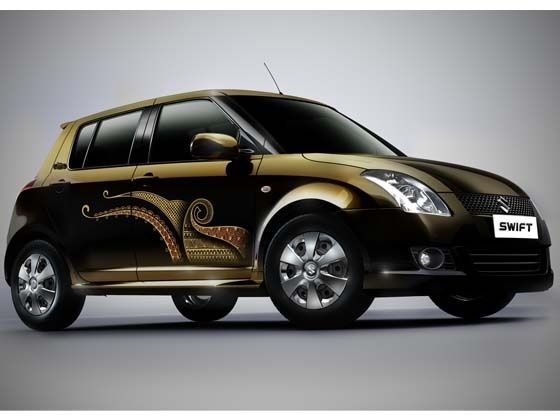
Decals give a car an individual look. They can be bought off the shelf, and there is a variety of designs or you can order custom made ones.
Calendered vinyl decals do not last long, and are usually used in racing or short term advertising. They also tend to shrink. Cast vinyl decals are thinner, smoother and can stretch around curved surfaces. Laminating decals adds to their life of the decal.
Single-coloured stickers are cheap and you can make your own design and get them printed as a vinyl sticker which will cost about 50 rupees a piece. Thematic multi-coloured stickers cost Rs 60 (for ones which look like vents, hoods, scoops etc) to about Rs 700. Cast vinyl decals from brands like Ed Hardy and others start at around Rs 250 for the small ones (measuring around 50x50cm). Body graphics start from around Rs 500.
Full body wraps are vinyl decals printed on a large sheet which can be wrapped on to your car. These are usually used by advertisers on trucks, buses and taxis and are hugely customisable. They are lighter and more customisable. Wraps keep the body panel safe from small scratches. Prices depend on length of the car, design and material.
6 must-have car accessories
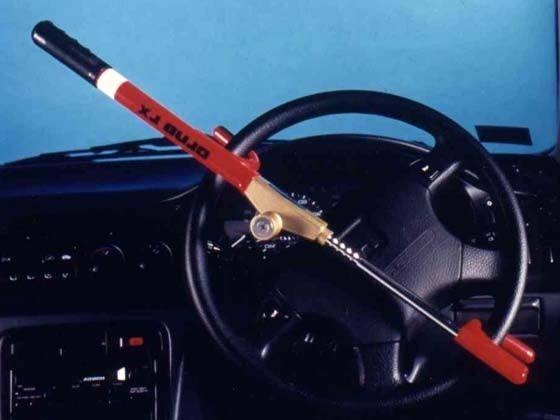
Remote locking system, gear locks and steering locks
There are a number of devices to deter car thieves, but these three are crucial.
Remote locking systems bypass the need for an ignition key to lock the car, and it also sets the anti-theft alarm when you lock the car. Quality systems feature an impact detection sensor which sets off the alarm even if a window is tempered with. A basic remote locking system costs Rs 2500.
Gear locks lock the car into a set gear until you unlock it. There are two types, the u type and the pin type. The pin type lock fits below the gear lever, while the u type consists of a stand and a lock. The stand is fixed on to the floor of the car, and the lock is made of hardened steel. Prices for gear locks start from Rs 1500.
Steering locks prevent the steering from turning. They are spring loaded, with two appendages that fit on to the inside of a steering wheel, and extensions on both sides prevent the steering wheel from turning. They cost Rs 500, and The Club is a dependable brand.
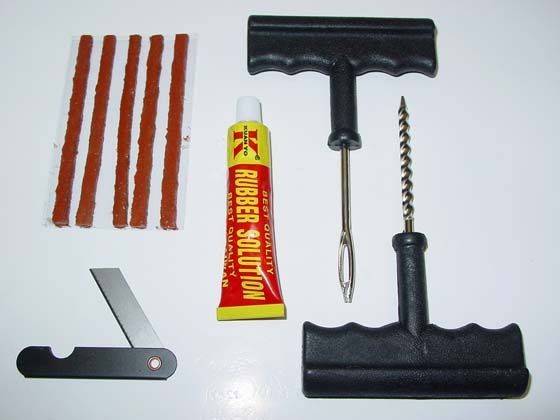
Puncture repair kit
A puncture repair kit will enable you to fix a punctured tyre without waiting for a rescue service but they cannot repair a blow out. The kit consists of a spiral tool, inserting tool, puncture seals, rubber cement and a blade. Some have air canisters to inflate the tyres, but an electronic tyre inflator is recommended. These kits can only repair punctures on the tread and not on the side walls. Prices starts at Rs 250.
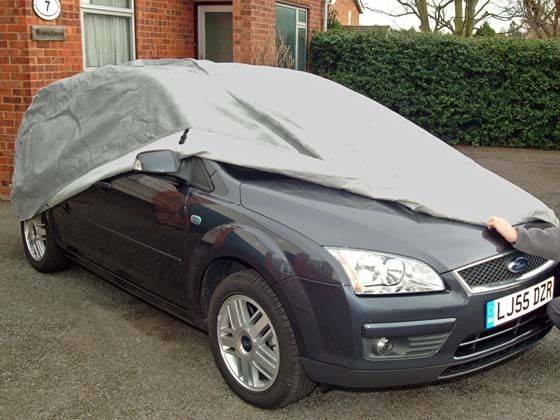
Car cover
A cover keeps a car dirt and dust free when parked besides bird droppings, rain sunlight and the elements. A fabric cover is effective indoors. For the outdoors, a water-resistant cover with a soft inner lining is recommended. Ensure the cover fits your car snugly to avert dirt creeping in. The cost depends on the car and the material.
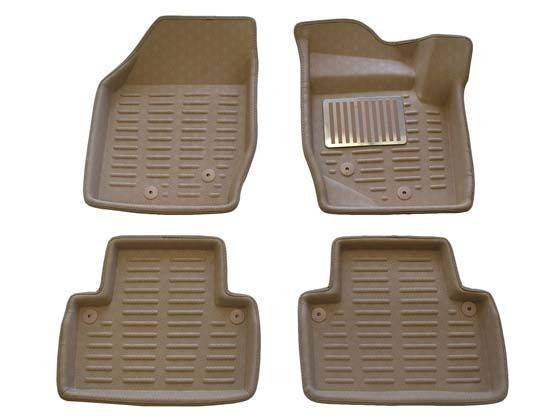
All-weather mats
All weather mats keep the car floor clean. Made of rubber, the underside has rubber grooves to keep them from moving around. the channels on top spread water across the mat. The raised edges prevent water, mud and contaminants from flowing on to the floor. All-weather mats cost upward of Rs 750
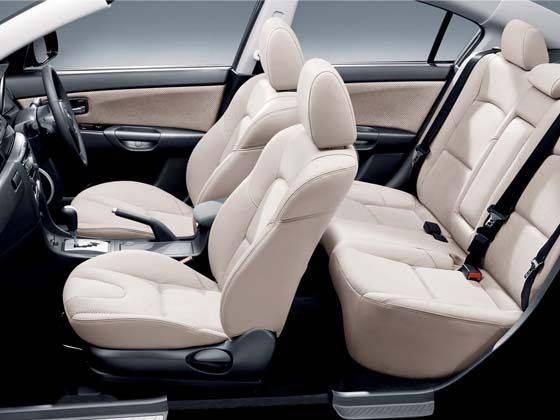
Seat covers
Car seat covers protect the seats, increase comfort, and can enhance the aesthetics of the interiors. Fabric seat covers are the cheapest, do not heat up very easily and can be dry cleaned but are not very durable. Rexin seat covers heat up quickly and are prone to fading. Leather covers look and feel good and are very durable, but need care. Nylon seat covers are tough and water-resistant but not as comfortable as leather covers. Prices depend on the car, number of seats and quality of material.
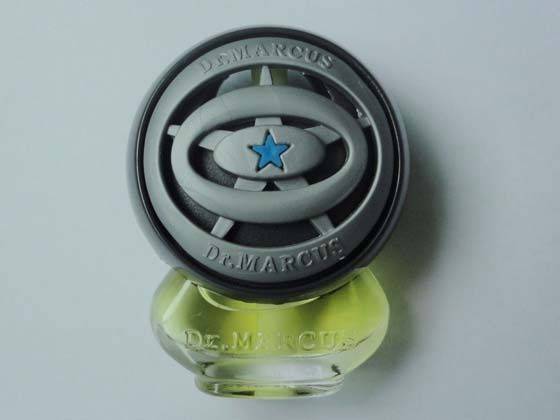
Air fresheners
Air fresheners and perfumes keep a car cabin smelling good. there are oil wick fresheners, can style fresheners, cardboard fresheners and aerosol sprays. The cardboard freshener costs Rs 99.
Set of 2 Genuine Brembo 25662 Front Rotors Volvo C30 C70 S40 V40 300mm O.D.
| $122.00 End Date: Friday Jul-19-2019 6:39:19 PDT Buy It Now for only: $122.00 Buy It Now | Add to watch list |
Tuesday, July 24, 2012
Set of 2 Genuine Brembo 25944 Front Rotors Range Rover 4.2 06-09 / 5.0 Nat 10-12
 | $198.00 End Date: Thursday Jul-18-2019 12:37:47 PDT Buy It Now for only: $198.00 Buy It Now | Add to watch list |
Wednesday, July 18, 2012
Steering wheel customisation
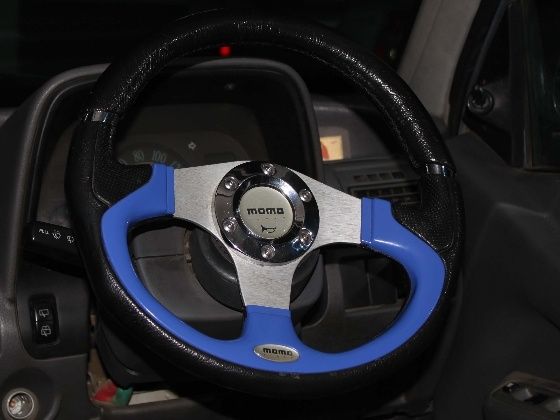
Steering wheel modifications are uncommon in India though hardcore racing nuts swear by it. Most car owners in our country are content with just minor enhancements like fitting a steering wheel cover for better grip. The more adventurous kinds, of course, decide to replace their stock steering wheels completely. Here are a few critical points to bear in mind in case you're considering modifying your car's steering wheel.
Steering wheel cover
If you decide to install a steering wheel cover, make sure it is of good quality and has enough elasticity as a loose steering wheel cover can slip and lead to a dangerous situation. A premium quality Alcantara leather cover is relatively expensive but averts the dangers of slippage. In case you do not want to splurge on a cover, you can also consider rexin/leatherette steering covers that start from Rs 700 in the after market.
Steering wheel knob
A steering wheel knob is a device that mounts on one end of the steering wheel and is intended to make steering with one hand easier (not recommended). Also known as Brodie knobs, after American bridge jumper Steve Brodie, steering wheel knobs are a great tool in slow moving traffic and while parking, though at high speeds they don't offer enough feel and can, in fact, be dangerous if used incorrectly, which led them to be termed as suicide knobs.
Sports steering wheel
Sports steering wheels have a smaller diameter compared to a stock unit. The smaller size helps in sharper response and handling of a vehicle. On the flip side, your hands are closer on the wheel, which are okay for short city drives but can take a toll on your upper arm muscles during a long drive. Parking manoeuvres, too, can be quite a task as more force will need to be applied as you would lose leverage.
Ideally, a sports steering wheel on passenger vehicle is not recommended, however, even if you want one, Chinese replicas start at Rs 1,600 while the original made by companies like Momo, Sparko, OMP, etc can cost around Rs 12,000.
It's best recommended not to touch the original steering wheel. Get a good quality cover instead that can absorb sweat, offers you good grip and adds to the car's aesthetic appeal.
Underbody and rim lighting for your car
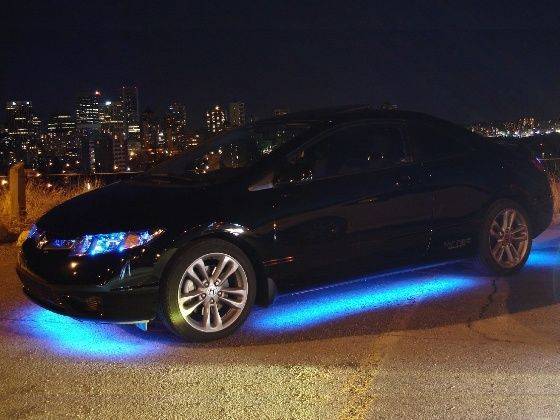
Remember the cars in the Fast and the Furious series with lights underneath them? Those glow-in-the-dark lights made the cars look even more mean and sinister. If you've been fancying giving your car such a look, then you can go for underbody and rim lights. Available in a variety of colours, they fit on the circumference of your car’s underbody and rims. Fortunately, they don't cost a bomb with prices starting from Rs 3,500 for a set of four underbody lights and Rs 3,200 for rim lights.
Of course, there are the pricier kinds, too. If you have the money to splurge, these lights are also available in the widest variety of ‘StreetGlow’ at a number of aftermarket dealers and start at Rs 10,000 for the underbody lighting and Rs 7,000 for rims. The underbody lights can be fit using clamps on the mounts under the body.
These lights work purely to boost a car's aesthetic appeal and offer no performance benefits whatsoever. Get one of these and your car will become a definite headturner. Having said that, you must be mindful of which car type you are installing the underbody lights in. After all, you want people to look at your car in admiration and not disgust. While getting them installed ensure there is enough ground clearance to prevent damage in case your car scrapes over a speed bump. Replacing them every now and then can burn a huge hole in your pocket!
Car body kits
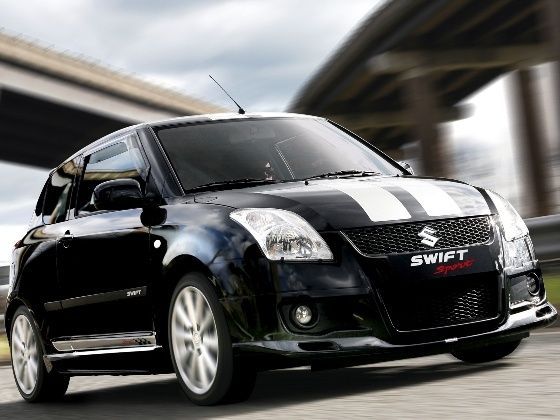
Body kits comprise all the modified bumpers, side skirts and spoilers that are offered in the aftermarket as alternatives to the stock car parts. Composed of either fibreglass, polyurethane and in some cases carbon fibre, body kits are available in a number of designs. Prices start anywhere from Rs 7,500 for the basic kit that includes a boot lip spoiler, side skirts and bumper skirts and then the sky is the limit.
While some manufacturers throw in body kits as optional extras, custom-made kits start in the aftermarket from Rs 10,000 for a basic unit and can go upto as much as Rs 50,000 for advanced kits.
One must bear in mind that aftermarket body kits only serve to enhance your car's aesthetics and offer no performance benefits. The additional weight only ends up increasing drag. A full performance upgrade for a car starts from a bare minimum of Rs 1.50 lakh from a reliable tuning workshop like Red Rooster Racing or Autopsyche. Body kits should ideally be installed after making performance upgrades like free flow exhaust, free flow air filter, cold/hot air intake, turbocharger, new ECU, race suspensions et al. In such a case, the body kit will optimise airflow thereby reducing drag.
Besides a drop in mileage, your kit is also at constant risk of getting damaged thanks to our pothole-ridden roads. So, while body kits can make your car look a million bucks, if installed without sufficient knowledge of their after-effects, can cause a huge dent on your finances. So think before you kit it up.
Why you should get a central locking system for the car
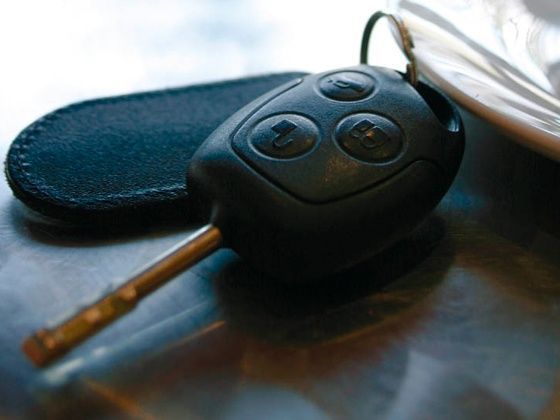
Cars can be fitted with an electronic locking system which is connected to the car’s alarm system. To lock the car from the inside, the driver uses the key to lock one of the front doors and all the doors lock automatically. The driver can lock or unlock all doors by locking or unlocking the driver’s side door lock manually or by pressing the lock and unlock buttons on the key fob or dashboard.
Other than being a hugely convenient system, it is a very important safety feature. Every key has a unique code which is matched with the code in the alarm system. Once the key is used to lock the car, an immobiliser goes off in the engine. Only when the onboard computer detects the same code from the car key will it unlock the immobiliser in the engine. When the immobiliser is on the engine of the car will not start.
Central locking systems evolved to systems that could be operated with a remote. That had buttons on a remote attached to the key. The car can be locked or unlocked with the remote. Some remotes have a button to set off the car alarm. Car remotes are extremely useful for locating your car in a car park. People lock and unlock their cars with the remote and the sound and blinking lights help you locate your car. These remote locking systems work on the principle of radio waves.
Central locking security systems are available in the aftermarket from Rs. 2,500 onwards. Autocop and Nippon are reputed brands for automobile security systems, with prices of Autocop central locking systems starting from Rs. 3,000.
The latest trend in remote locking is keyless entry. The car does not come with anything in the shape of a key. There are electronic key cards that never have to be taken out of your pocket. The car detects the key which can be in your pocket, hand, bag, etc. Once the key is in certain proximity of the car, the car automatically unlocks itself. The start button can be used to start the car. As long the key is in the vehicle the car will keep going.
Car floor mats
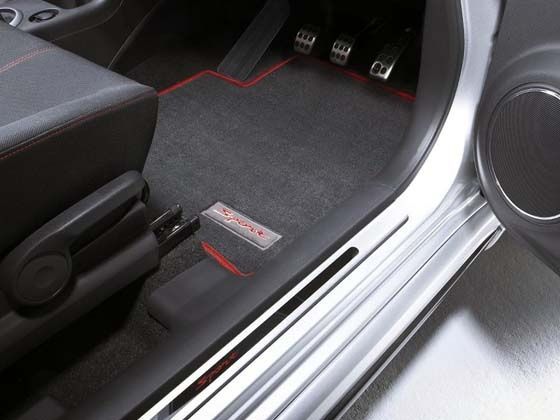
Car mats protect the carpet and floor from dust, water, dirt etc, and are either made of cloth/carpet or rubber. Aside from keeping the car's floor clean, they also help enhance interior aesthetics.
Cloth mats
Available in a range of colours, cloth/carpet mats are soft and have a rubber back which prevents them from slipping. They are flexible, washable and are absorbent which make them ideal in the rains and muddy conditions. Starting at around Rs 450 they are also the cheapest. They are not as durable as rubber mats though.
Rubber mats
Rubber mats are known for their durability but they cannot absorb or soak in water and mud like cloth mats. These are priced upward of Rs 550.
All-weather mats
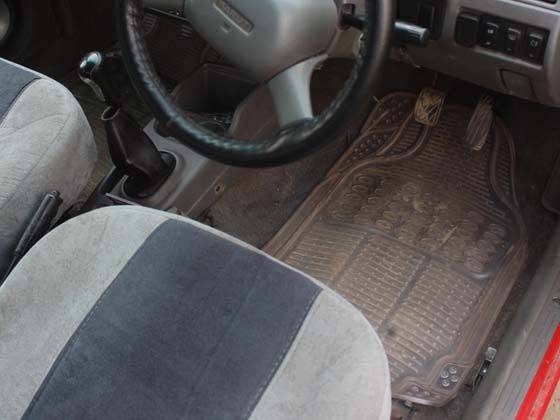
All-weather mats are absorbent and have upward turned edges which keep water from seeping over the sides and are, therefore, better than basic rubber mats. They are the most expensive of the lot with prices starting upward of Rs 750.
Terminologies:
Universal fits
These mats are designed in such a way that they can be used in almost all cars. However, they may not fit your car floor perfectly, and thus may not be entirely dirt-proof.
Tracks
The grooves and ridges on rubber or all-weather mats keep mud and liquids off the car floor. The specially shaped edges also provide grip, and make for easier ingress/egress.
Cargo liners
These are mats made for the luggage compartment of your car and are usually sold as a part of a car mat set. Special liners can be ordered for luggage compartments of SUVs and pick-up trucks.
Avoid vinyl or bad fits
Avoid cheap vinyl floor mats as they are flimsy built and do not look as food nor are as effective as a rubber or cloth mats.
Ill-fitting car mats can be hazardous. In 2009, Toyota cars in the US had loose driver side mats that would jam the accelerator pedal and take the drivers by surprise as their cars speeded up unexpectedly.
Choosing a car air freshener
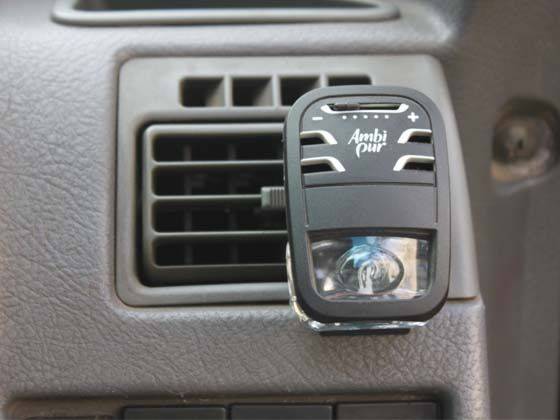
The use of air fresheners and perfumes along with regular cleaning keeps a car cabin a pleasant place to be in. There are a variety of fresheners/perfumes available today.
Oil wicks
Scented oil wick air fresheners are a new addition to car fragrances. Ambi-Pur is one of the most popular brands. It consists of a glass bottle and a porous wick that transports the oil to a plastic top, which has holders clipped on to the car’s air vents. The air from the vents vaporises the oil and its effectiveness is in proportion to the blower’s capacity. The plastic top has mechanism to control the amount of fragrance released. They cost slightly more than other air fresheners (prices start at Rs 200), but their quality and long-lasting nature make them worth it.
Can style
Can style or gel air fresheners have gel scents inside a plastic or metal container whose lids have holes. Scented gels are most versatile and can be placed under the seats, on the dashboard or in the trunk. They last long but their effectiveness is limited if placed in an area with insufficient air flow. Prices for these air fresheners start at Rs 120 for a 150 gm can.
Hanging cardboard
These air fresheners consist of a small, scented piece of cardboard with a string on the top. They release their fragrance when exposed to air. The fragrance can be surprisingly strong though they last only a week or so. They can be hung on the rear-view mirror because they can damage the plastics on the dashboard. The cheapest cardboard air freshener can be bought for Rs 99.
Aerosol sprays
Spray fragrances don’t last as long as the others but act fast. They can also be sprayed directly to on a surface such as a car seat. Aerosols can be fragrance only, fragrance with odour elimination and air sanitising. Air sanitisers freshen the air by killing odour causing bacteria. On the flip side, sprays leave deposits which require cleaning or dusting. Aerosol cans cost Rs 200 (for a 300 ml can) and above.
5 car accessories to avoid
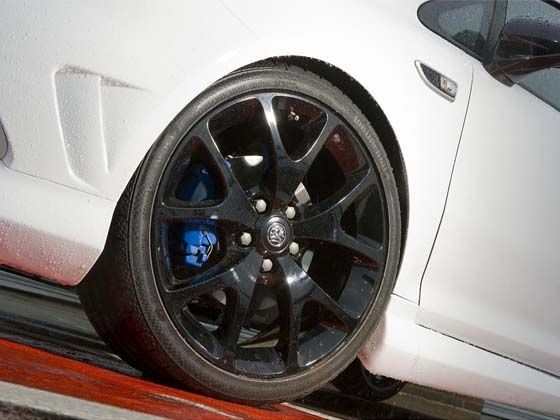
1. Massive rims
While big rims can definitely look good, a lot of times people go overboard with their choice of wheel sizes. Making a shift from stock 15-inch wheels to slightly larger and sportier 16-inch ones wouldn’t be much of a problem, but when you start going more than 2 or 3-inches over the manufacturer’s tyre size, you can soon run into trouble. If your overall wheel diameter (rim + tyre) exceeds what the manufacturer has made room for in the wheel well, the tyres can start rubbing against the wheel well liner each time you go through a bump. Plus, you have to note that large diameter rims are also wider, and these can grind against the wheel well walls. And larger wheels also make way for another problem – low profile tyres.
2. Ultra low profile tyres
Low profile tyres are perfectly at home on race cars where cornering grip is paramount over everything else. But going really low profile on road cars can cause serious problems. Low profile tyres have very rigid side walls and hence offer very little pliancy. While this might be desirable on the race track, where you want your car’s tyres to flex as little as possible under immense cornering forces, it does make for a very hard ride. And it’s not just a question of comfort level. A less pliant tyre will transmit more forces to the car’s suspension, adding significantly more wear and tear to the various suspension components.
3. Spoilers & other aero bits
Once again, these are things one finds on race cars and they’re designed for very specific reasons. Spoilers are mounted on the back of racing cars to create downforce at high speeds, which pushes the back down and provides cornering grip. Most aftermarket spoilers one gets at car accessory shops are merely show bits, and don’t really create any downforce. In fact, road cars are perfectly capable of cornering at the limits they’ve been designed with without the need for spoilers. All an aftermarket spoiler will do is add drag as the car cuts through the air, which will result in lower fuel economy. The same goes for any other “aerodynamics enhancing” accessories that one gets off the rack at most accessory shops.

4. Body kits
The list of automotive enhancements or accessories which have been derived from racing are endless. The job of wide-body kits and air dams is to channel air over and under the car to achieve the optimal drag coefficient, as well as channelling extra air to the radiator, brakes and intake system. All this is fine when your car is a high performance fire-breather. But to slap on a body kit on your humble sedan or hatchback is overkill, and more often than not is going to interfere with movement of the wheels, either in the suspension travel department or steering angle department.
5. Coloured/masked headlights
Masking a part of your headlights to get that eyelid effect might be very “Need for Speed”, but remember that not only is it illegal to modify you primary lamps in this fashion, it is also dangerous as it affects the illumination and pattern of your lights on the road. The same goes for coloured lights, most common of which are the blue-coloured bulbs which emit a bright white light. While these might be brighter than your stock lights, they have far less penetration and are more prone to scattering in the dusty Indian conditions. The standard transparent bulb with the yellowish light is the best option.
Car interior lighting guide
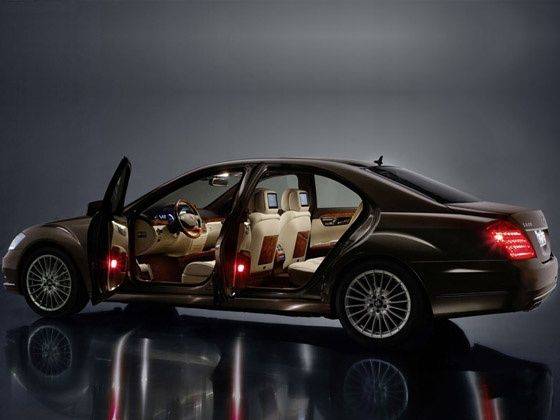
The simple dome light inside a car had only one use: to help drivers and passengers get inside the car at night. As demand for better lighting grew, map/reading lights were installed. Today LEDs, fibre optics and neon lights are making the interiors of cars brighter, adding to practicality and also allowing car owners to show off their individual tastes.
Neon lights
Neon lights are glass tubes or bulbs that contain a combination of neon and other gases that emit an even, bright glow. Neon tubes are made of high strength glass tubes which can be installed under the dash, speakers and other spaces in the car.
Available in different lengths (the smallest of these are of 30cm and widths, these tubes can be either connected to the lighter port of the car or directly to the electrical wiring. These lights are available in a multitude of colours to suit the taste of the owner. Prices of the 30cm neon tubes range from Rs 700 for the lower quality tawainese imports to Rs 1500 for the imported StreetGlow tubes.
The only drawback with tubes is that they are not flexible.
LED lights
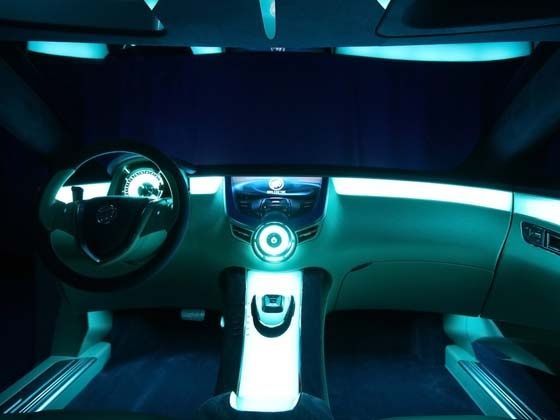
Popular because they are cheap and can be used in a variety of ways, LED lights are available as tubes, strips and wires.
LED tubes, just like neon tubes are LED bulbs kept in a glass tube. These can be attached, via superglue, pins or holders on to the underside of the dash, seats and other places as desired. These tubes provide even, bright illumination only limited by their non-flexible nature.
LED strips are more flexible than the tubes, while being equally bright. These strips can be laid in different shapes, around things like speaker covers or made into custom shapes. Multi-colour strips can be hooked up to the music system in the car and mimic the music; they can also be programmed manually. Most of these strips though are a bit too wide, use LED bulbs which can be seen if looked at closely and do not provide an even spread of light under certain conditions. Prices start at around Rs 200 (for a 30cm strip).
LED wires though are one the best interior lighting accessories available, though a bit costlier than neons or other LED products. They are extremely flexible, are as bright as neons and are available in different pre-set or custom lengths. The other advantage is their width, which is as less .7cm, which allows them to be put in the smallest of gaps besides making them more flexible than LED strips. Prices start at around Rs 2000 (for a 300cm long wire).
Top 5 accessories for long drives
1. Navigation system
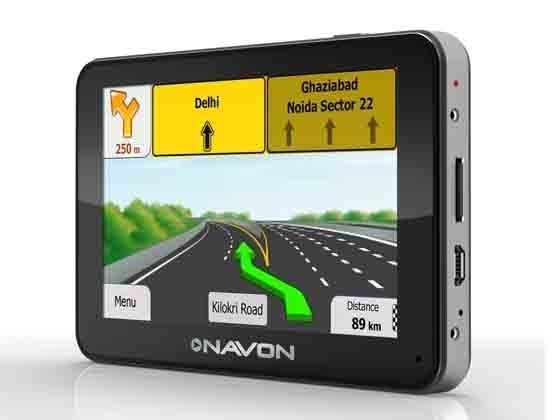
A navigation system finds the shortest way to your destination, and the location of restaurants, fuel stations etc en route. Prices range from Rs 10,000 to Rs 35,000 for in-dash systems. In case of lack of space the navigation device can be mounted on the windshield. Smartphones also come with a GPS that can be used for the in-built navigation system. And if its not according to your taste, you can buy a Navigon or a Sygic (MapmyIndia) through your online application store for with prices starting at Rs 1,900
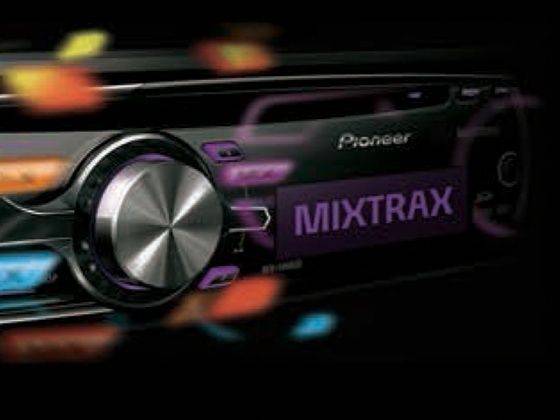
2. Music system
An entertainment system can liven up long drives. Prices range from Rs 4,000 to Rs 40,000 for an audio-visual kit (DVD player) depending on the brand. Read our car audio guide to understand the basics of buying a good in-car audio system.
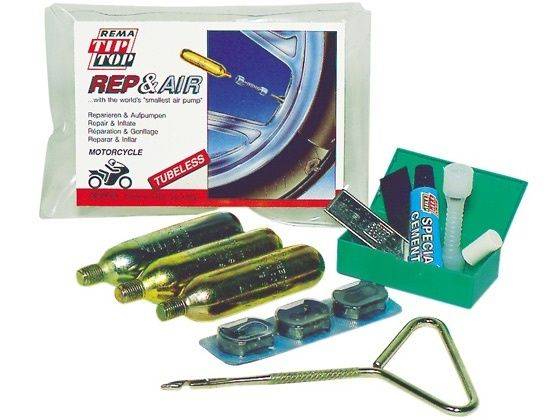
3. Tyre puncture repair kit
A spare tyre, puncture repair kit and electronic jack are must-haves on long hauls Unless you’d prefer to be stranded on some uninhabited stretch of road with a flat. Invest Rs 3,500 in an electronic jack, Rs 600 for the inflator and Rs 200 rupees for the puncture repair kit.
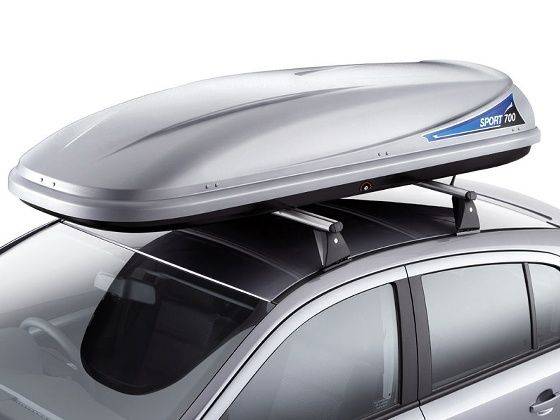
4. Roof racks
Roof racks are handy for the extra luggage and don’t forget ropes and hooks to strap it down. And if you don't have too much luggage, then you can opt for rooftop cargo boxes such as the ones from Thule. They are also more aesthetic to look at than the plain, naked roof racks.
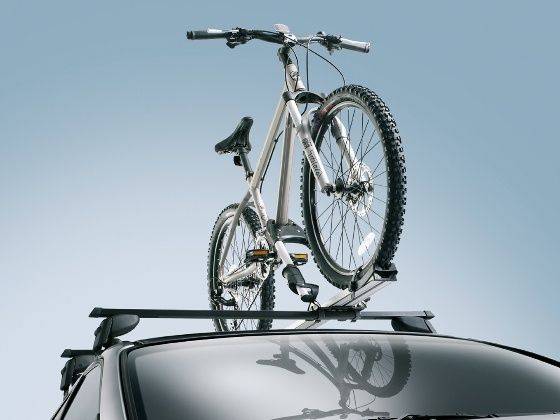
5. Cycle mounts
A cycle mount is ideal if pedal-pushing is your idea of fun. Available at a starting price of Rs 20,000, they come in a range of mounting designs to fit any vehicle, not just SUVs. A bicycle mount also makes for a practical buy as it frees up interior space for additional passengers and goods.
Tuesday, July 17, 2012
High Intensity Discharge (HID) projection headlamps

High Intensity Discharge (HID) headlamps that produce a bluish white beam of light are common on luxury cars today. They operate at higher voltages than traditional headlamps and use xenon gas for operation. Also, unlike traditional headlamps which use filaments, HIDs use two electrodes to produce light.
HID headlamps are available in the aftermarket priced upward of Rs. 5,500 (each) and can be fitted to any vehicle. There are also normal incandescent headlamp bulbs in the aftermarket with blue glass or a blue coating that produce a bluish beam, however, they are no brighter than regular headlamp bulbs.
The advantage of using HID projection headlamps is that they provide a clearer and longer field of vision in the dark, useful during high speed driving at night while also enhancing road safety due to better visibility.
Installing aftermarket HID projection headlamps will greatly enhance your field of vision at night by providing consistent white light with a much longer field of view.
The downside is that HID projection head lamps are extremely bright and cause glare at high beam. This is why car manufacturers fit HID head lamps with an automatic beam leveller that adjusts the beam according to the tilt angle of the vehicle via sensors on the front and rear axles of the vehicle. However, after market HID projection head lamps do not come with such a feature and hence can cause inconvenience to other road users.
The other major downside of HID projection headlamps is that they are very expensive due to the technology used.
Car navigation systems
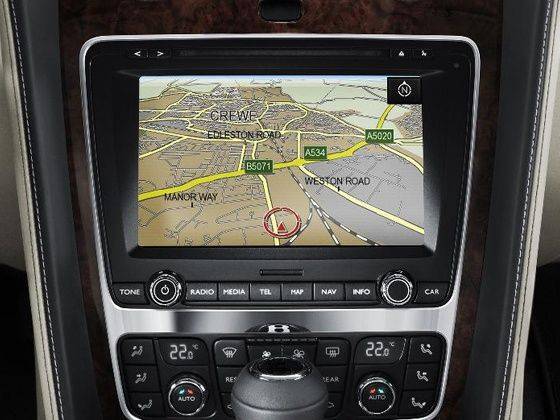
Ever so often people have to stop, roll down the window and ask for directions while driving down to a new destination. This is where in-car navigation systems come in.
Factory-fitted in-car navigation systems are still a rarity in India and are limited to high-end cars, though there is one very capable unit inside the Mahindra XUV5OO. There are also standalone devices ranging between Rs 8,500 and Rs 16,000 from companies like MapMyIndia, Garmin and TomTom. Cheaper still are GPS-enabled smartphones. Also read: Garmin nuvi40LM & nuvi50LM sat-nav units launched
Navigation systems make use of GPS or Global Positioning System satellites in the earth’s orbit to help locate a place. They also calculate the distance and time needed to reach a place. Maps are displayed either in 2D or 3D (depending on the unit) with some devices providing turn-by-turn voice guidance.
Factory-fitted units are part of the vehicle’s multimedia infotainment system that is in-built into the dashboard of a vehicle. Standalone devices, on the other hand, can be mounted on the dashboard or windscreen of the vehicle using a stand. Most modern devices usually have a touchscreen panel ranging between 4 to 5 inches. Some models also feature bells and whistles such as speed alert and Bluetooth mobile phone connectivity for handsfree calling.

GPS enabled smartphones are an affordable alternative to traditional GPS systems. However, a smartphone's display may not be as large as a regular GPS device. Besides, its battery will drain out faster. Phone-based GPS systems are also highly network-dependant and can act up in areas with poor network coverage.
GPS navigation systems are a boon for people unfamiliar with a city's roads and for those driving during night time. They are also beneficial from a safety aspect, especially for women as they would not have to stop frequently to ask for directions.
But are these systems reliable? On most occasions, yes. However, there are times when GPS signals get blocked out because of tall buildings or when a device fails to locate a destination due to an outdated map. These are, of course, small niggles as GPS unit manufacturers provide map updates to customers as and when they are released, either free or at a fee.
Car alarm systems
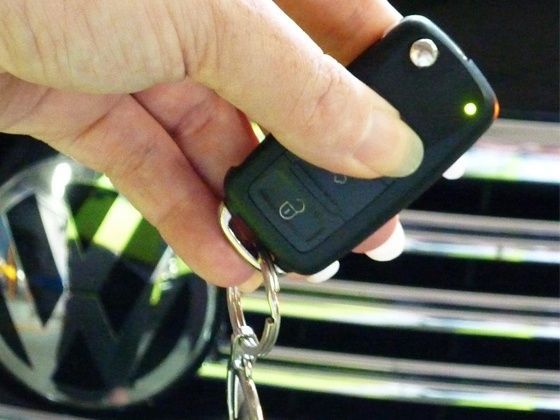
Ever since the first car theft was reported in 1896 the menace has plagued the automobile world. Car makers and individual electronics firms alike have been striving to create a foolproof anti-theft device since. A wide variety of car alarms are available on the market today.
To put simply, car alarms consist of a host of sensors that are connected to a siren. Sensors consist of switches, pressure sensors and motion detectors. These are connected to a computer which is part of the vehicle’s alarm system.
When a vehicle is locked and the computer detects an irregularity such as a door being unlocked, etc the sensors and switches transmit a message to the computer which then turns the siren on. Motion detectors consisting of mercury-based alarms turns the siren on when a vehicle starts shaking or vibrating in case of a tow away theft. Apart from the main car battery, the siren may also be connected to a hidden battery which powers the siren in case thieves disconnect the car battery which is the siren’s primary source of power.
Car alarms also have a radio signal receiver in the form of a key fob. Button(s) on the key fob that comes with the alarm system can arm or disarm the alarm system as and when the owner of the vehicles wants to do so.
Then there are Global Positioning System (GPS)-based car alarm systems that work in sync with a regular car alarm system, the vehicles on-board Electronic Combustion Unit (ECU). GPS-based car alarm systems also features SMS (Short Messaging System), Radio Frequency Identification Solution (RFID), memory settings on cars such as seat memory position out of place, car microphone monitors voice of the driver, etc.
If the car thief has managed to crack the car’s alarm system once, one of the other systems detects an irregularity and an SMS is sent to the owner of the vehicle warning him/her of the theft of their vehicle along with the location of the vehicle via GPS tracking. GPS-based anti theft systems can even cut off the fuel supply of the vehicle bringing the vehicle to a complete halt once theft has been detected. With car thieves always on the prowl, a car alarm system is definitely one of the best way to ward them off.
Car alarm systems start from Rs. 2,500 for remote central locking systems while GPS based car tracking security systems are priced around Rs. 10,000 depending on the brand. Autocop and Nippon are reliable aftermarket car security systems to name a few.
Friday, July 13, 2012
Reverse guiding camera
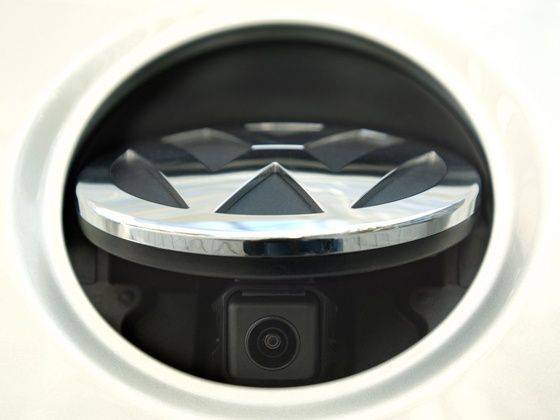
While being one of the most convenient features on an automobile, the reverse camera is an important safety feature as well. The camera is mounted on the rear bumper or tailgate in a downward angle to give a good view of obstacles behind the vehicle that are not visible to the driver. Reverse cameras have either a wide angle lens or a fish eye lens to give a slightly distorted but stretched view of the surroundings behind the vehicle.
While the normal rear-view camera provides good vision even in the dark with the reverse lights on, there are night vision rear-view cameras that provide as bright a view as is seen under broad day light.
Rear-view cameras are connected to LCD display units in the dashboard of the vehicle or the internal rear-view mirror that display the image from the reverse camera. The image from reverse cameras is mirrored to provide the right context to the driver as the camera and the driver are facing two different directions. This helps keep the ride side of the vehicle on the right side of the screen and vice versa.
The LCD screens that display the image from the reverse camera are not for that sole purpose. The screens are usually a part of the vehicles multimedia infotainment system that can play DVDs and display navigation maps as well.

The reverse camera is also a useful feature for drivers who suffer from spondylitis and cannot turn around while reversing a car to see what is behind it.
Top models of cars like the Tata Safari and Mahindra XUV5OO come with rear-view cameras while all variants of the Hyundai Verna are fitted with rear-view cameras.
One of the best brands for reverse cameras in the market is Torq. A set of rear-view camera and parking sensors will set you back by Rs 7,500 while only a rear-view camera with the internal display screen will set you back by Rs 6,000.
Aftermarket parking sensors and rear-view camera displays can also be mated to the LCD display of an aftermarket multimedia infotainment system to display image from parking sensors as well as that of the rear-view camera.
Both reverse parking sensors and reverse camera greatly enhance safety. Some objects at odd angles may not be visible to a rear view camera though parking sensors will detect them and warn the driver. While a rear-view camera will display objects in the path of a vehicle and provide enhanced safety while reversing, it might be slightly expensive to buy. Still, it is an extremely useful and convenient accessory to have.
Parking sensors, what good are they?
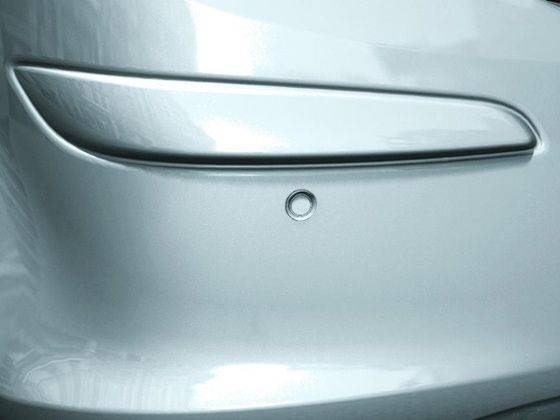
Parking a car in the tight urban spaces can be quite tricky at times especially in overcrowded India. This is where parking sensors come in handy, helping you park your vehicle safely.
Modern parking sensors consist of ultrasonic proximity sensors that are integrated into the bumpers of cars. The sensors are connected to the reverse gear which when engaged switches on the parking sensors that emit high frequency sound waves, the echo of which is received and evaluated by the sensors.
The system emits a beep which increases in frequency when an object is detected in the path of the vehicle. If the driver continues to move towards an obstacle a constant tone warns the driver to stop immediately.
Parking sensors integrated into the front bumper have a manual switch to turn them on while parking. Once a certain forward speed is reached the sensors are automatically turned off.
Expensive parking sensors have visual LED or LCD screens that display readouts to indicate how close a vehicle is to an obstacle in its path. The beep also continues to provide audible warning to the driver at the same time.
Rear parking sensors are available in the aftermarket from Rs 2,500 onwards. OEMs also offer parking sensors as an accessory on cars that are not originally fitted with them. The best brands are Minda, Torq and Blackcat. A set of rear parking sensors with an LCD display from Torq is worth Rs 3,200.
There is no major difference between aftermarket parking sensors and OEM-fitted parking sensors as they use the same technology. The only difference is the LED or LCD displays. OEM displays are usually integrated into the instrument cluster or multimedia system of a vehicle while aftermarket ones have an independent display.
Aftermarket parking sensors and rear-view camera displays can also be mated to the LCD display of an aftermarket multimedia infotainment system to display image from parking sensors.
Currently, top end models of the Hyundai Verna, Honda City, Hyundai i20 and Renault Duster are equipped with reverse parking sensors.
Parking sensors work under in the temperature range of -30C to +80C. The accuracy and functioning of parking sensors can be affected by heavy rainfall/snowfall. The sensors should be clean of mud, snow or dirt for proper functioning.
Both reverse parking sensors and reverse camera greatly enhance safety. Some objects at odd angles may not be visible to a rear-view camera while parking sensors will detect them and warn the driver. While a rear-view camera will display objects in the path of a vehicle and provide enhance safety while reversing.
A set of rear parking sensors and a rear-view camera can set you back by Rs 6,000 plus but they can also save your bumper from being repainted which should cost about double the same amount of the parking sensors.
Wednesday, July 11, 2012
Custom aftermarket seat covers
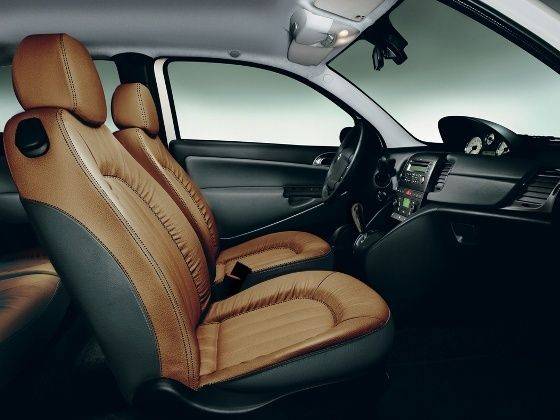
Seat covers are one of the most essential accessories for an automobile. While there is a massive range of seat covers available on the market across different price ranges. Here are a few pointers that will help make the ideal choice while seat cover hunting.
Car seat covers primarily serve three purposes, namely, seat protection, enhanced comfort and better aesthetics.
Seat protection: seat covers are fitted over the seats of cars as a result they protect the original seats from dust, dirt and stains. Fabric seat covers can be dry cleaned when they get dirty helping keep your car seats looking like brand new.
Rexin seat covers look like leather but are actually not, however, they do add that luxury appeal if you want it at an affordable price.
Leather seat covers do not get dirty or stained as easily the others however, they do need occupants to be more careful.
Nylon seat covers are ideal for open top SUVs or convertibles as they are waterproof and protect the seats from sudden rains.
It has to be kept in mind that under Indian hot weather conditions leather, rexin and nylon seat covers heat up very quickly when a vehicle is parked under direct sun light.
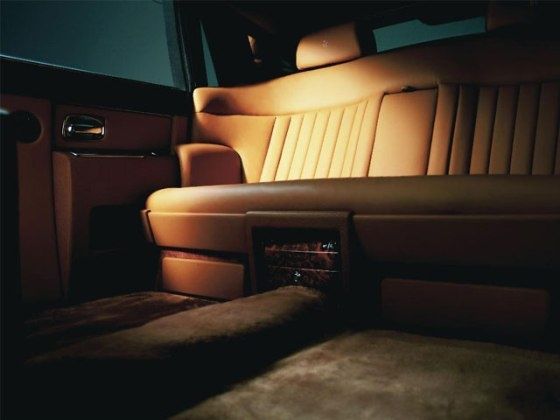
Enhanced comfort: There are leather and fabric seat covers out there in the market that may set you back by a few thousand rupees but are amazingly comfortable. They provide added cushioning and good support thereby enhancing seating comfort.
Aesthetics: Along with better seat comfort and protection seat covers are available in a host of design and colour combinations. Customers can choose to upholster their vehicles with seat cover designs that appeal to them and create a better cabin ambience while adding a personal touch to their vehicle.
A few things to keep in mind while buying seat covers is the quality and type of seat covers required. Expensive seat covers will be more durable and comfortable while affordable ones can be disposed off after they become dirty or you fancy a different set.
Different cars have different types of seats, some have armrests, there are various types of seat contour, then there are vehicles in which the seat belts are mounted on the side of the seat while others have integrated airbags. Aftermarket seat covers are designed for particular vehicles, as a result, usually they easily fit the seats and are well suited. However, do check if the seat airbag area, electric seat controls, etc are left uncovered by aftermarket seat covers
Going in for a durable set of seat covers that are machine washable and water repellent will ensure a longer lifespan of seat covers. Driving with the air conditioning on keeps the interiors and seat covers clean for a much longer period of time. Also, try and avoid eating and drinking inside a car as it is the primary cause of messy car interiors.
There are a lot of aftermarket car seat covers available, however, it is recommended that a well known brand is selected as these brands offer a warranty period on seat covers while offering superior quality and comfort. G-Sport, Ovion, Autoform and Stanley are some well known aftermarket car seat cover brands.
Car seat covers are available in the after market with prices ranging from Rs. 1,200 for very basic fabric ones to Rs. 20,000 for genuine leather ones and go up to as high as Rs. 1,00,000 for nappa leather seat covers.
Tuesday, July 3, 2012
New! Mercedes-Benz C230 Textar Rear Disc Brake Pad Set 2190003 0054201820
 | $44.00 End Date: Saturday Jul-27-2019 14:00:48 PDT Buy It Now for only: $44.00 Buy It Now | Add to watch list |